Sandwich Bread VS Baked Pasta
A detailed nutritional comparison
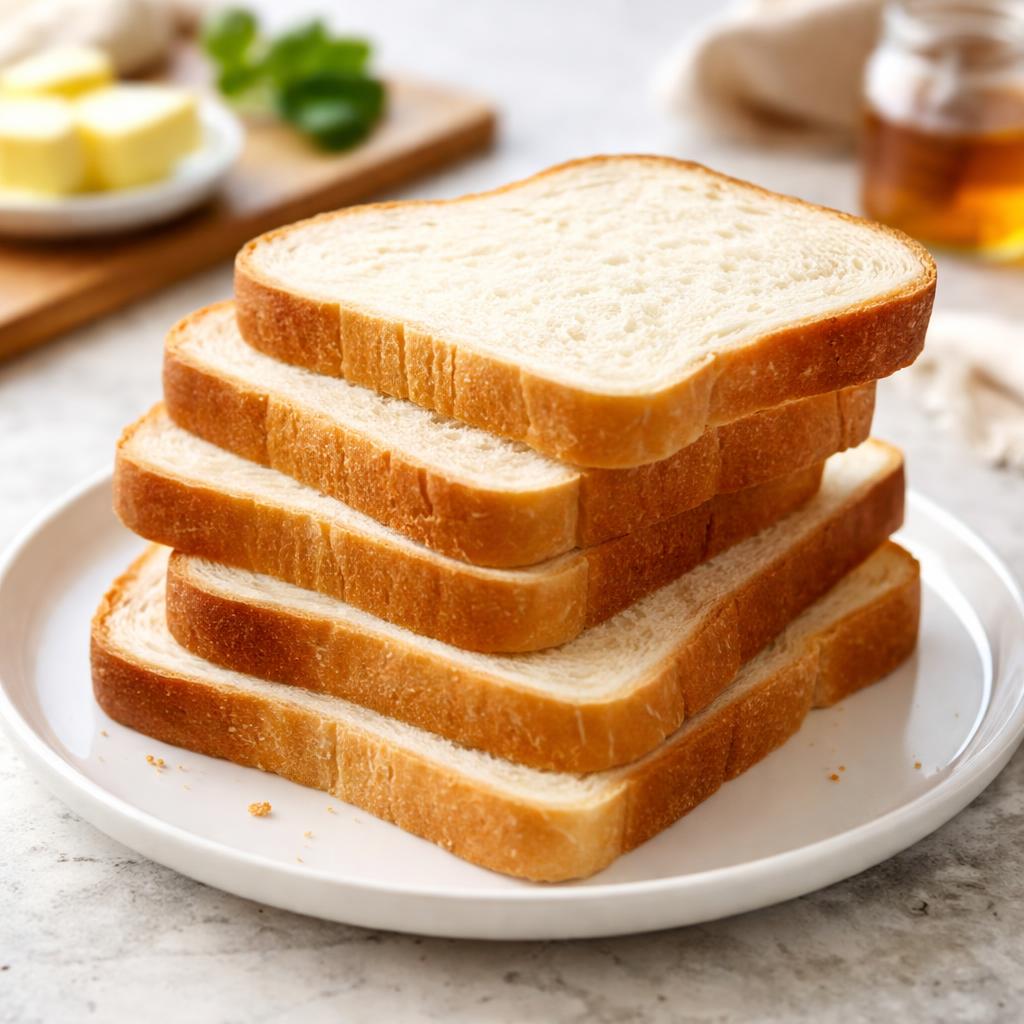
Sandwich Bread
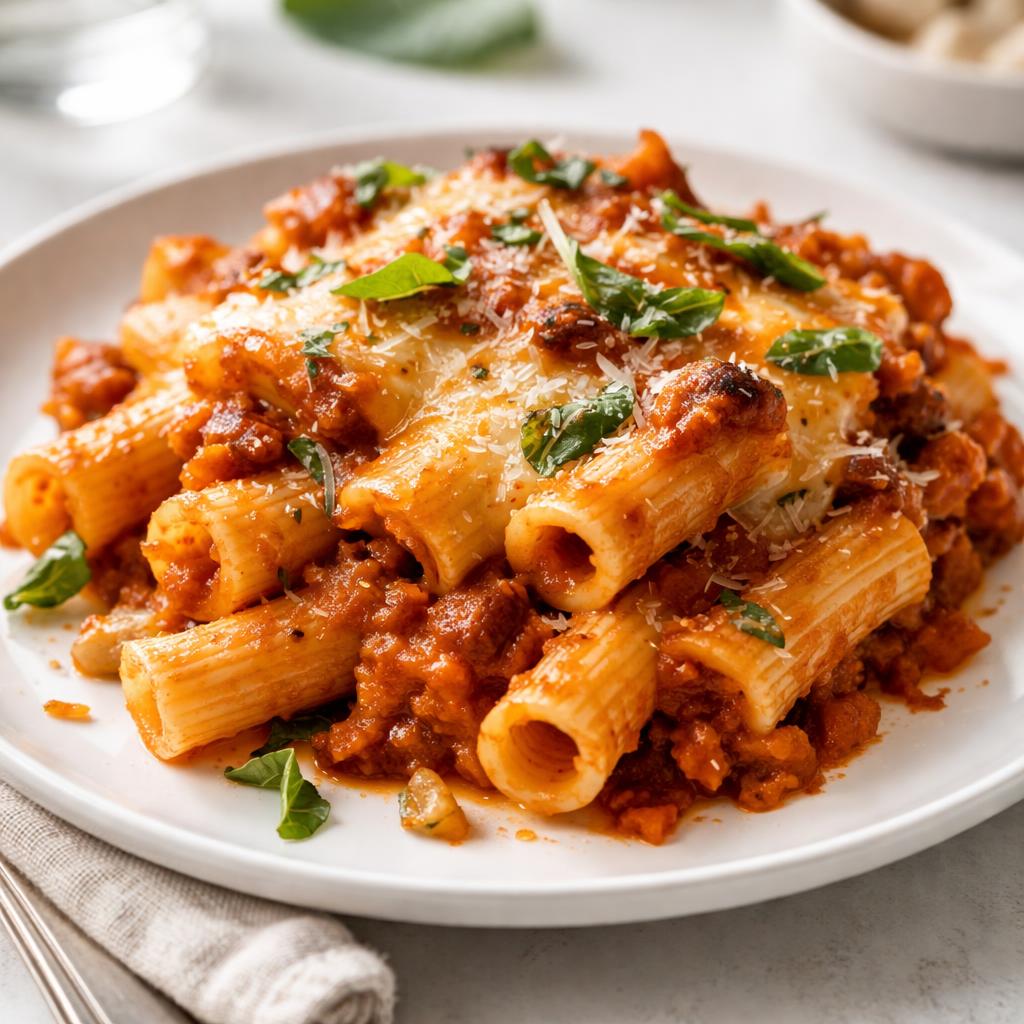
Baked Pasta
🎯 Quick Verdict
Sandwich bread is lower in calories and higher in fiber, making it a better option for weight management and digestive health. Baked pasta, on the other hand, offers more protein and nutrient density, making it ideal for energy and muscle recovery. Choose food based on specific dietary goals such as weight loss or post-workout nutrition.

Smart Nutrition Tracking with SnapCalorie

📊 Nutritional Comparison
Macronutrients
| Nutrient | Food 1 | Food 2 | Winner |
|---|---|---|---|
| Calories | 120 | 300 | ✓ |
| Protein | 4g | 12g | ✓ |
| Carbs | 22g | 40g | ✓ |
| Fat | 1.5g | 9g | ✓ |
| Fiber | 3g | 2g | ✓ |
Vitamins & Minerals
| Nutrient | Food 1 | Food 2 | Winner |
|---|---|---|---|
| Vitamin D | 0mcg | 2mcg | ✓ |
| Calcium | 50mg | 150mg | ✓ |
| Iron | 1mg | 2mg | ✓ |
🏆 Category Winners
Protein
Baked pasta has three times more protein (12g vs 4g) than sandwich bread.
Fiber
Sandwich bread provides 50% more fiber than baked pasta (3g vs 2g).
Calories
Sandwich bread contains far fewer calories than baked pasta (120 vs 300).
🥗 Diet Compatibility
Keto
Food 1: Not Compatible
Food 2: Not Compatible
Both are high in carbs and unsuitable for keto diets.
Vegan
Food 1: Compatible
Food 2: Possibly Not Compatible
Sandwich bread is typically plant-based, while baked pasta may contain dairy or cheese.
Gluten Free
Food 1: Not Compatible
Food 2: Not Compatible
Both contain wheat and are unsuitable for gluten-free diets.
Paleo
Food 1: Not Compatible
Food 2: Not Compatible
Both foods are processed and contain grains, which disqualify them from paleo diets.
Low-Carb
Food 1: Not Compatible
Food 2: Not Compatible
Both foods are carb-heavy and unsuitable for low-carb diets.
💪 Health Benefits Comparison
Food 1 Benefits
- Lower calorie option for weight-conscious individuals
- Higher fiber content for digestive health
- Convenient base for a variety of toppings for balanced meals
Food 2 Benefits
- Rich in protein for muscle repair and energy
- Provides essential nutrients like calcium and iron
- Ideal as a comfort food or energy-dense meal for active lifestyles
✅ The Bottom Line
Choose sandwich bread for weight management and digestive health, especially when paired with nutrient-rich toppings. Baked pasta is better suited for post-workout recovery, energy needs, and meals that emphasize protein and nutrient density.
Choose Food 1 for: Weight loss, light meals, on-the-go snacks
Choose Food 2 for: High-energy meals, muscle recovery, comfort food


