Salad VS Zucchini
A detailed nutritional comparison
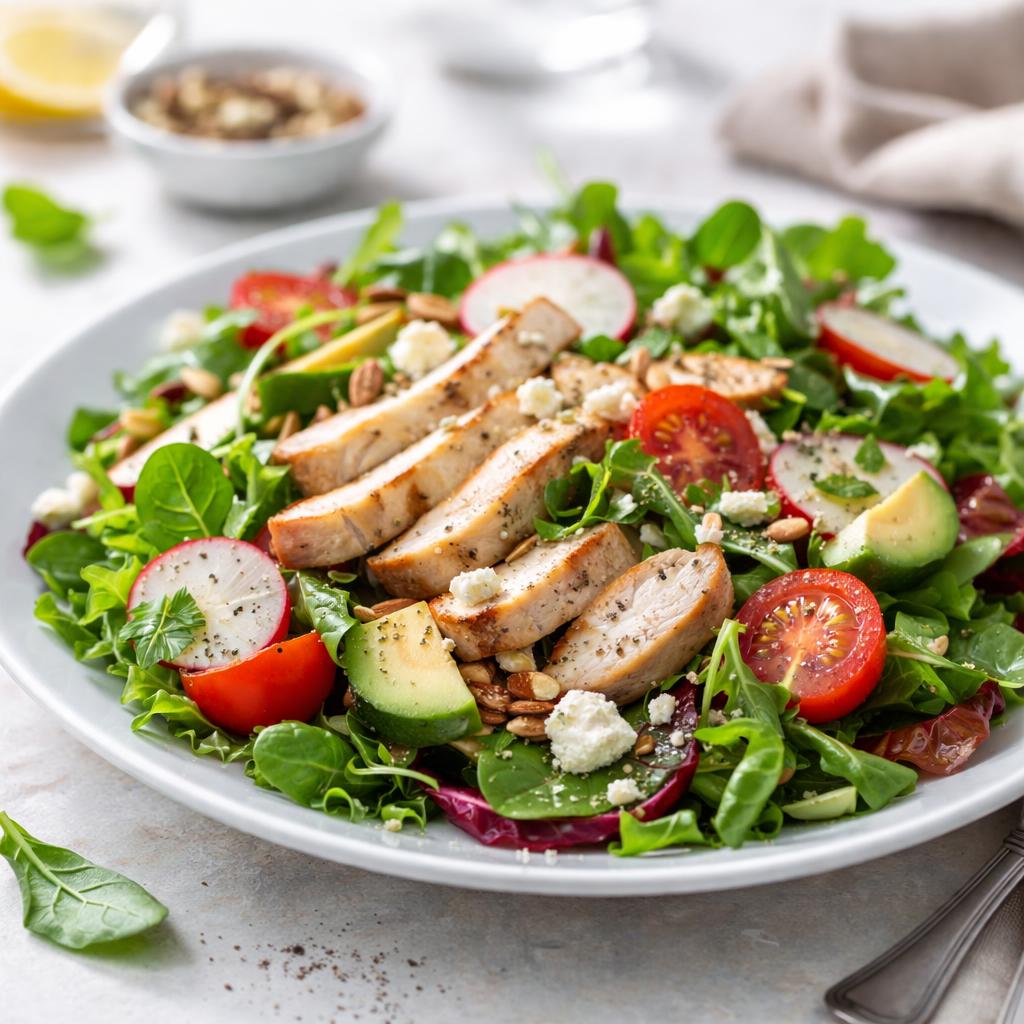
Salad
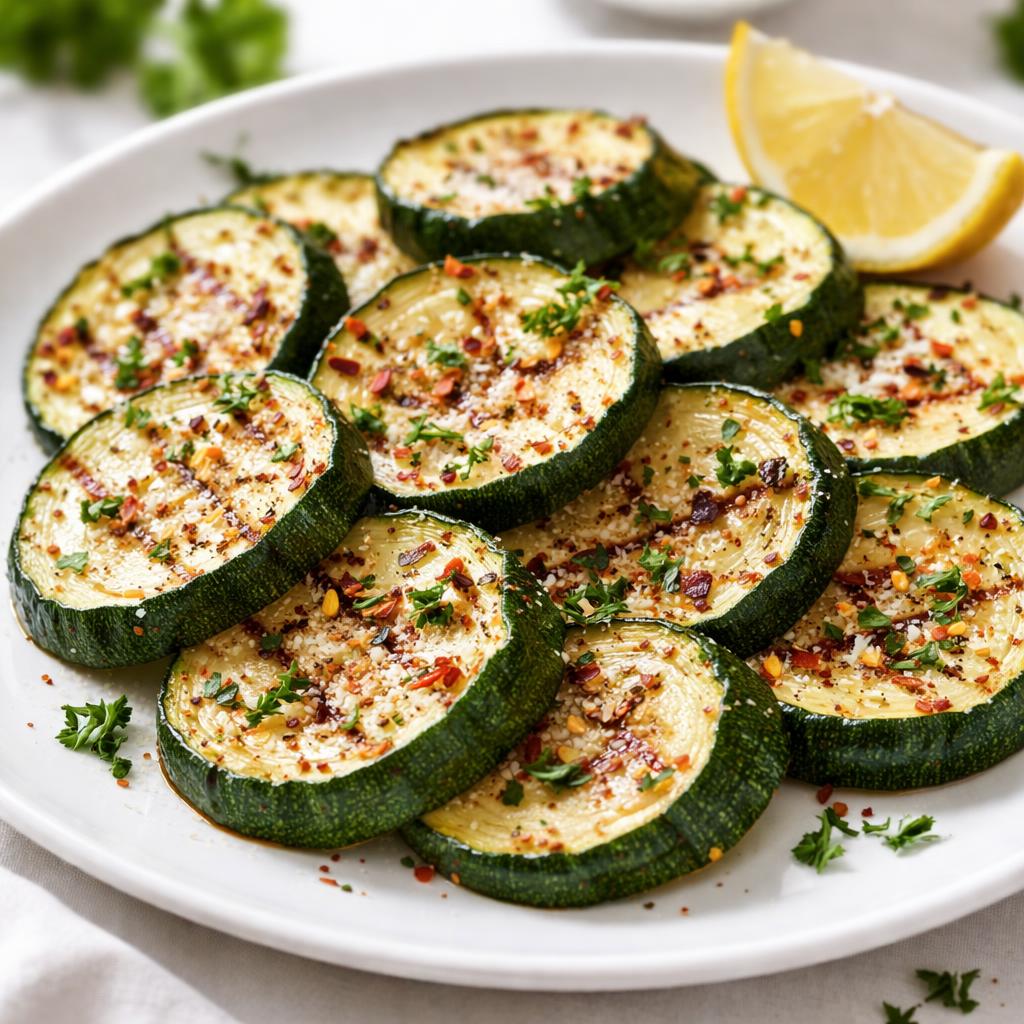
Zucchini
🎯 Quick Verdict
Salad generally provides more fiber, vitamins, and is significantly lower in calories compared to zucchini. Zucchini, while nutrient-dense and versatile, is higher in carbs and better for dishes requiring cooked vegetables. Salad is ideal for weight loss and digestion-focused diets while zucchini adds bulk and nutrients to meals with more substance.

Smart Nutrition Tracking with SnapCalorie

📊 Nutritional Comparison
Macronutrients
| Nutrient | Food 1 | Food 2 | Winner |
|---|---|---|---|
| Calories | 25 | 33 | ✓ |
| Protein | 1.5g | 1.2g | ✓ |
| Carbs | 3.5g | 6g | ✓ |
| Fat | 0.2g | 0.6g | ✓ |
| Fiber | 2g | 1g | ✓ |
Vitamins & Minerals
| Nutrient | Food 1 | Food 2 | Winner |
|---|---|---|---|
| Vitamin A | 4000 IU | 392 IU | ✓ |
| Vitamin C | 20mg | 17.9mg | ✓ |
| Vitamin K | 50mcg | 4mcg | ✓ |
| Potassium | 200mg | 295mg | ✓ |
🏆 Category Winners
Protein
Salad has slightly more protein at 1.5g compared to 1.2g in zucchini.
Fiber
Salad contains twice the fiber content of zucchini.
Calories
Salad is lower in calories, making it better for weight management.
Vitamins
Salad is much richer in vitamins A, C, and K compared to zucchini.
🥗 Diet Compatibility
Keto
Food 1: Compatible
Food 2: Compatible
Both are low-carb, with salad slightly lower in carbs.
Vegan
Food 1: Compatible
Food 2: Compatible
Both foods are plant-based and fully vegan.
Gluten Free
Food 1: Compatible
Food 2: Compatible
Neither food contains gluten.
Paleo
Food 1: Compatible
Food 2: Compatible
Both foods are considered paleo-friendly.
Low-Carb
Food 1: Compatible
Food 2: Compatible
Both are low in carbohydrates, though salad is lower overall.
💪 Health Benefits Comparison
Food 1 Benefits
- Rich in vitamin A for eye health and immunity
- Good source of fiber for digestive health
- Low calorie option ideal for weight management
- Supports bone health with vitamin K
Food 2 Benefits
- High in potassium for muscle and nerve function
- Contains vitamin C for immune support
- Provides antioxidants for fighting free radicals
- Versatile and nutrient-dense addition to meals
✅ The Bottom Line
Salad is a better choice for those prioritizing fiber, vitamins, and weight loss due to its lower calorie count and richness in nutrients. Zucchini, on the other hand, works well for those seeking a versatile vegetable to cook with, providing potassium and sustaining energy. Choose salad for light meals and digestion, and zucchini for hearty, nutrient-packed dishes.
Choose Food 1 for: Weight loss, digestion, light and nutrient-dense meals
Choose Food 2 for: Cooking versatility, muscle function (potassium), antioxidant-rich dishes


