Salad VS Whole Grain Bread
A detailed nutritional comparison
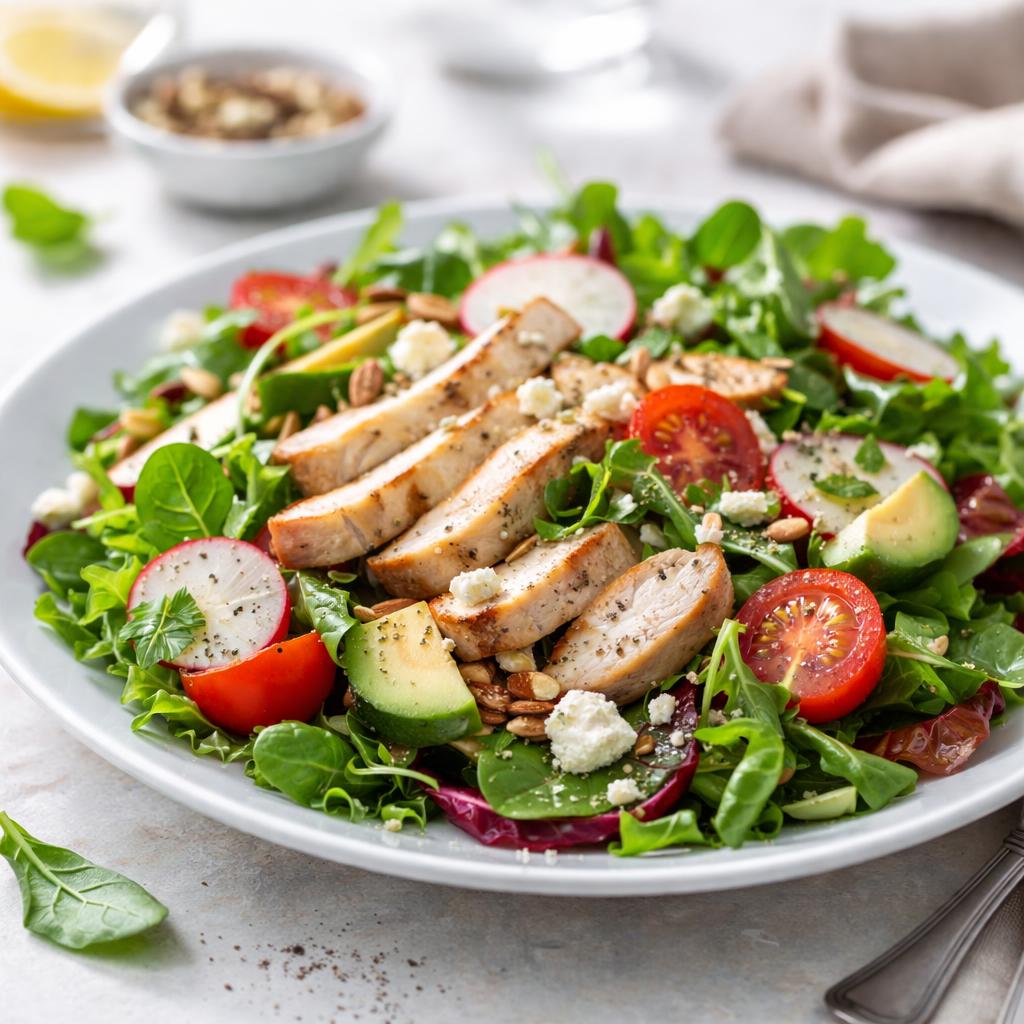
Salad
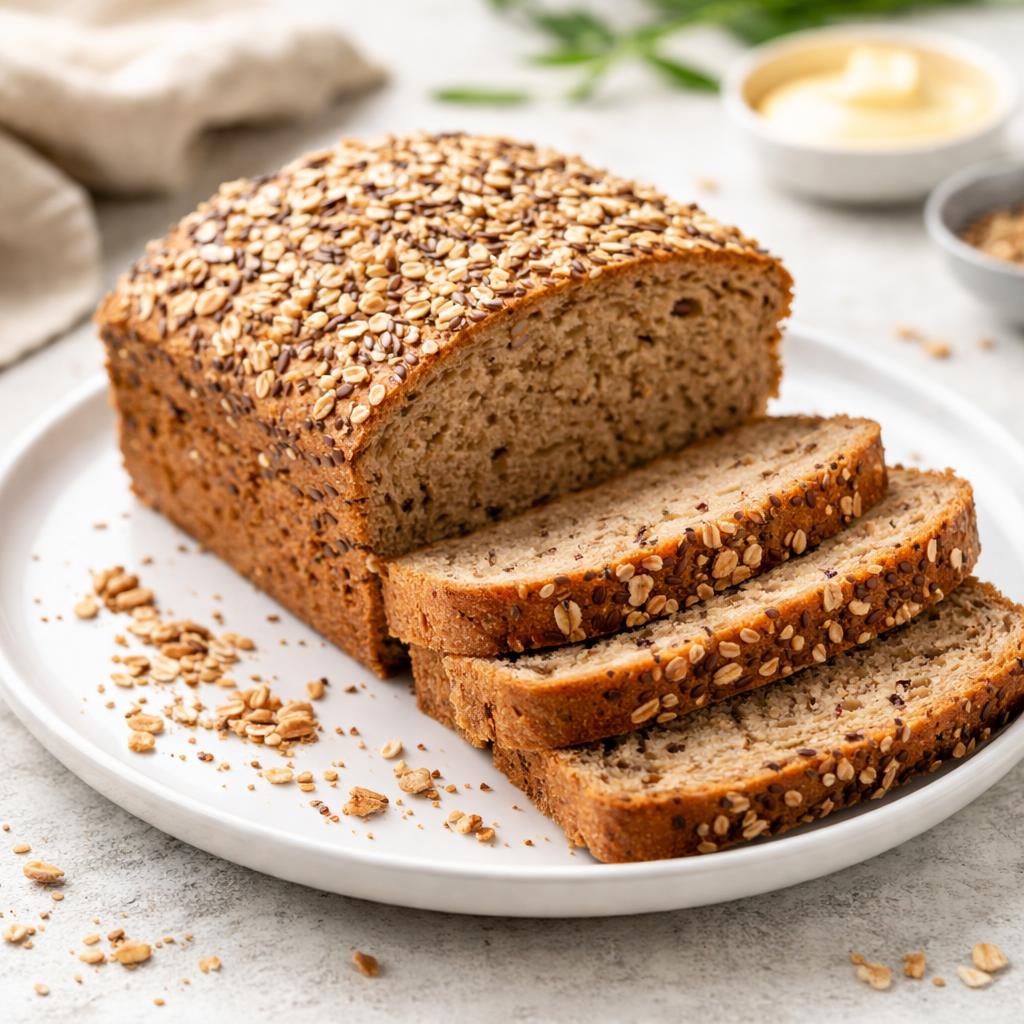
Whole Grain Bread
🎯 Quick Verdict
Salad is lower in calories and carbohydrates, making it ideal for weight loss and low-carb diets. Whole grain bread provides more protein, fiber, and sustained energy, making it suitable for heart health and active lifestyles. Both have distinct benefits depending on dietary priorities.

Smart Nutrition Tracking with SnapCalorie

📊 Nutritional Comparison
Macronutrients
| Nutrient | Food 1 | Food 2 | Winner |
|---|---|---|---|
| Calories | 50 | 120 | ✓ |
| Protein | 2g | 5g | ✓ |
| Carbs | 10g | 20g | ✓ |
| Fat | 0g | 1.5g | ✓ |
| Fiber | 1g | 3g | ✓ |
Vitamins & Minerals
| Nutrient | Food 1 | Food 2 | Winner |
|---|---|---|---|
| Vitamin A | 120mcg | 0mcg | ✓ |
| Vitamin C | 9mg | 0mg | ✓ |
| Iron | 0.5mg | 1.8mg | ✓ |
🏆 Category Winners
Protein
Whole grain bread has 150% more protein per serving compared to salad.
Fiber
Whole grain bread contains three times more fiber per serving.
Calories
Salad has 60% fewer calories per serving than bread.
Vitamins
Salad is rich in vitamins like A and C, while bread lacks these nutrients.
🥗 Diet Compatibility
Keto
Food 1: Not Compatible
Food 2: Not Compatible
Both foods contain too many carbohydrates for a strict keto diet.
Vegan
Food 1: Compatible
Food 2: Compatible
Both foods are plant-based and align well with vegan diets.
Gluten Free
Food 1: Compatible
Food 2: Not Compatible
Salad is naturally gluten-free, but bread contains gluten.
Paleo
Food 1: Compatible
Food 2: Not Compatible
Salad fits the paleo lifestyle as it is free of grains, but bread does not.
Low-Carb
Food 1: Compatible
Food 2: Not Compatible
Salad is lower in carbs (10g), while bread has more (20g).
💪 Health Benefits Comparison
Food 1 Benefits
- Low in calories, ideal for weight management
- Rich in vitamin C for immune support
- Provides hydration due to high water content
- Excellent source of vitamin A for eye health
Food 2 Benefits
- High in fiber for digestion and heart health
- Provides sustained energy due to complex carbs
- Contains iron for oxygen transport in the body
- Supports muscle repair with moderate protein content
✅ The Bottom Line
Salad is an excellent choice for weight loss, nutrient density, and as a low-calorie side dish. Whole grain bread offers greater fiber and protein for sustained energy and digestion, especially suitable for active diets or heart health. Choose based on dietary goals.
Choose Food 1 for: Weight loss, low-carb diets, vitamin-packed meals
Choose Food 2 for: Heart health, active lifestyles, higher calorie needs


