Salad VS Watermelon
A detailed nutritional comparison
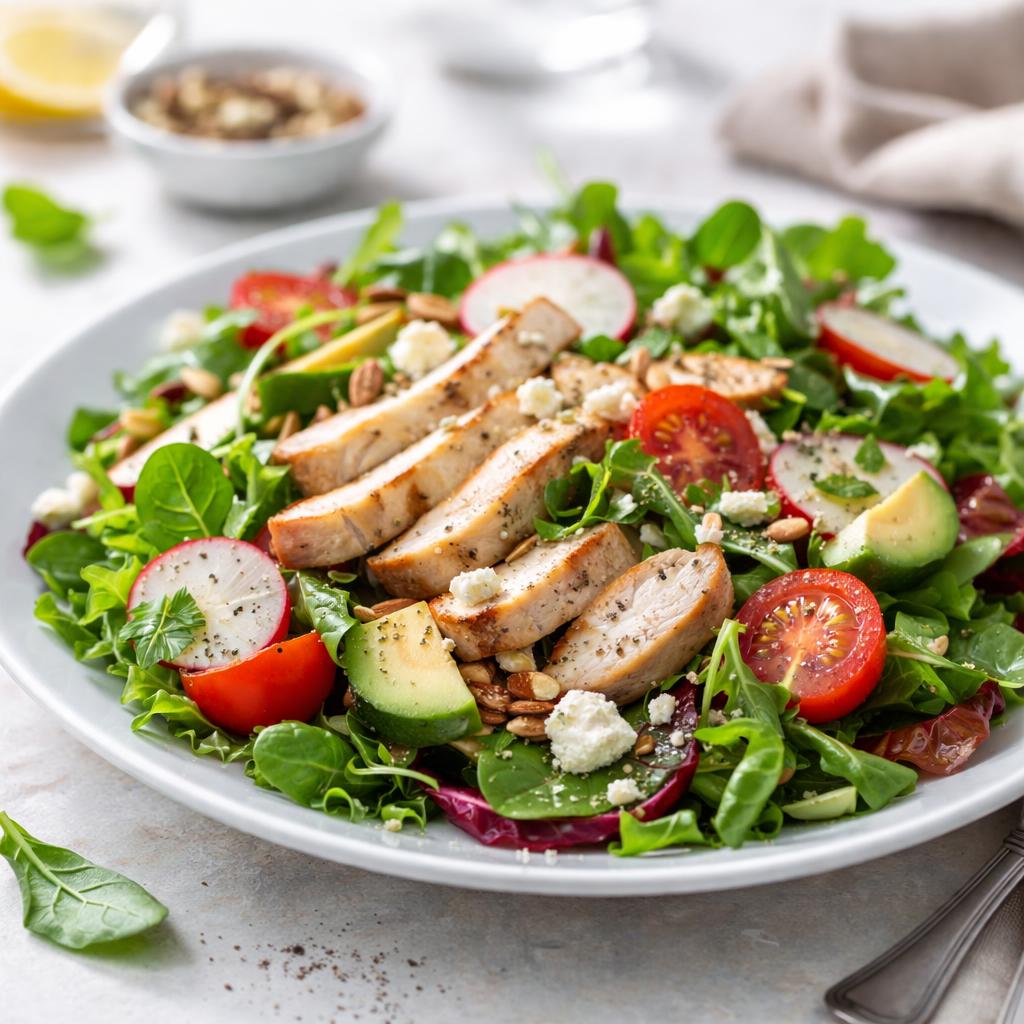
Salad
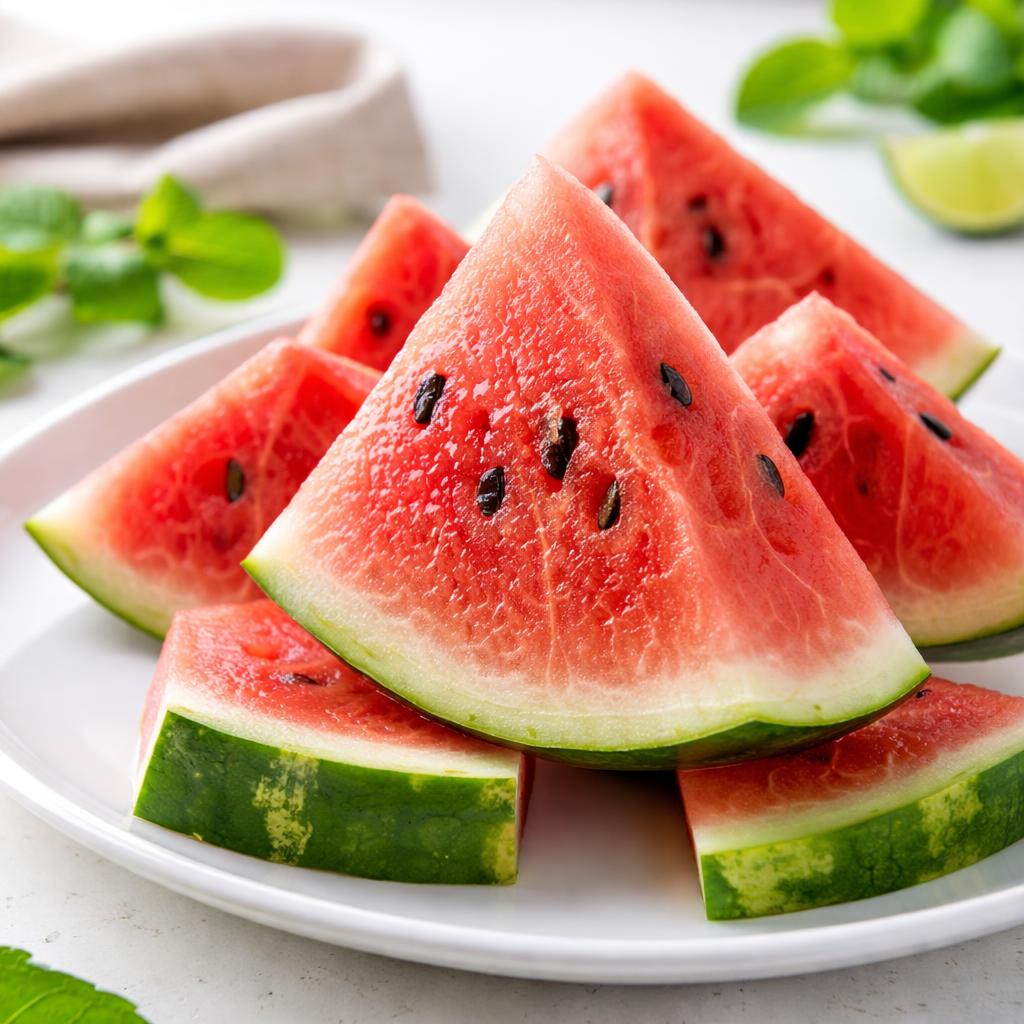
Watermelon
🎯 Quick Verdict
Salad is the clear winner in terms of protein and fiber, making it ideal for weight management and digestive health. Watermelon is hydrating and rich in vitamins A and C, but it falls short in protein and fiber. Both options are low-calorie and refreshingly nutritious depending on your dietary goals.

Smart Nutrition Tracking with SnapCalorie

📊 Nutritional Comparison
Macronutrients
| Nutrient | Food 1 | Food 2 | Winner |
|---|---|---|---|
| Calories | 48 | 46 | − |
| Protein | 2.0g | 0.9g | ✓ |
| Carbs | 7.8g | 11.6g | ✓ |
| Fat | 0.3g | 0.2g | ✓ |
| Fiber | 2.0g | 0.4g | ✓ |
Vitamins & Minerals
| Nutrient | Food 1 | Food 2 | Winner |
|---|---|---|---|
| Vitamin A | 126mcg | 569mcg | ✓ |
| Vitamin C | 9mg | 12.3mg | ✓ |
| Calcium | 20mg | 11mg | ✓ |
| Iron | 0.6mg | 0.4mg | ✓ |
🏆 Category Winners
Protein
Salad has over twice as much protein as watermelon.
Fiber
Salad provides five times more fiber per serving.
Calories
Both foods are equally low in calories (around 45 per serving).
Vitamins
Watermelon is richer in Vitamin A and Vitamin C content.
🥗 Diet Compatibility
Keto
Food 1: Not Compatible
Food 2: Not Compatible
Both are relatively high in carbs (7.8g and 11.6g respectively).
Vegan
Food 1: Compatible
Food 2: Compatible
Both foods are plant-based.
Gluten Free
Food 1: Compatible
Food 2: Compatible
Neither contains gluten.
Paleo
Food 1: Compatible
Food 2: Compatible
Both foods align with paleo principles, being unprocessed and whole foods.
Low Carb
Food 1: Compatible
Food 2: Not Compatible
Salad is lower-carb than watermelon (7.8g vs 11.6g).
💪 Health Benefits Comparison
Food 1 Benefits
- High in fiber for improved digestion and gut health
- Provides plant-based protein for muscle maintenance
- Rich in calcium and iron for bone health and oxygen transport
- Low-calorie option for weight management
Food 2 Benefits
- Hydrating due to high water content (over 90%)
- Rich in Vitamin A for eye health
- Contains antioxidants for immune defense
- Provides Vitamin C to support skin health and reduce inflammation
✅ The Bottom Line
Both salad and watermelon are nutritious, but they serve different purposes. Salad is best for those focused on protein, fiber, and weight management, while watermelon is better for hydration and vitamin intake. Choose one based on your specific goals and preferences.
Choose Food 1 for: Weight loss, high-fiber diets, muscle maintenance
Choose Food 2 for: Hydration, summer snacks, immune support


