Salad VS Vinegar
A detailed nutritional comparison
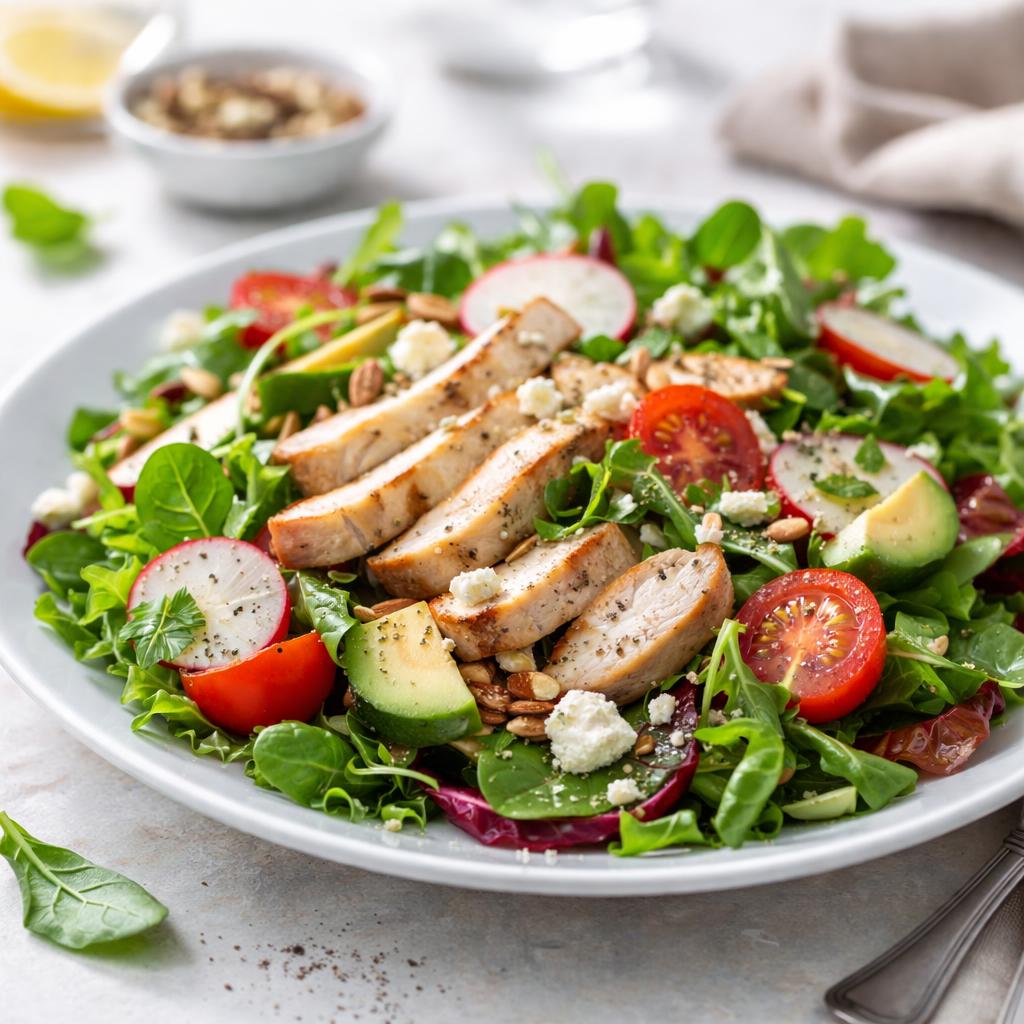
Salad
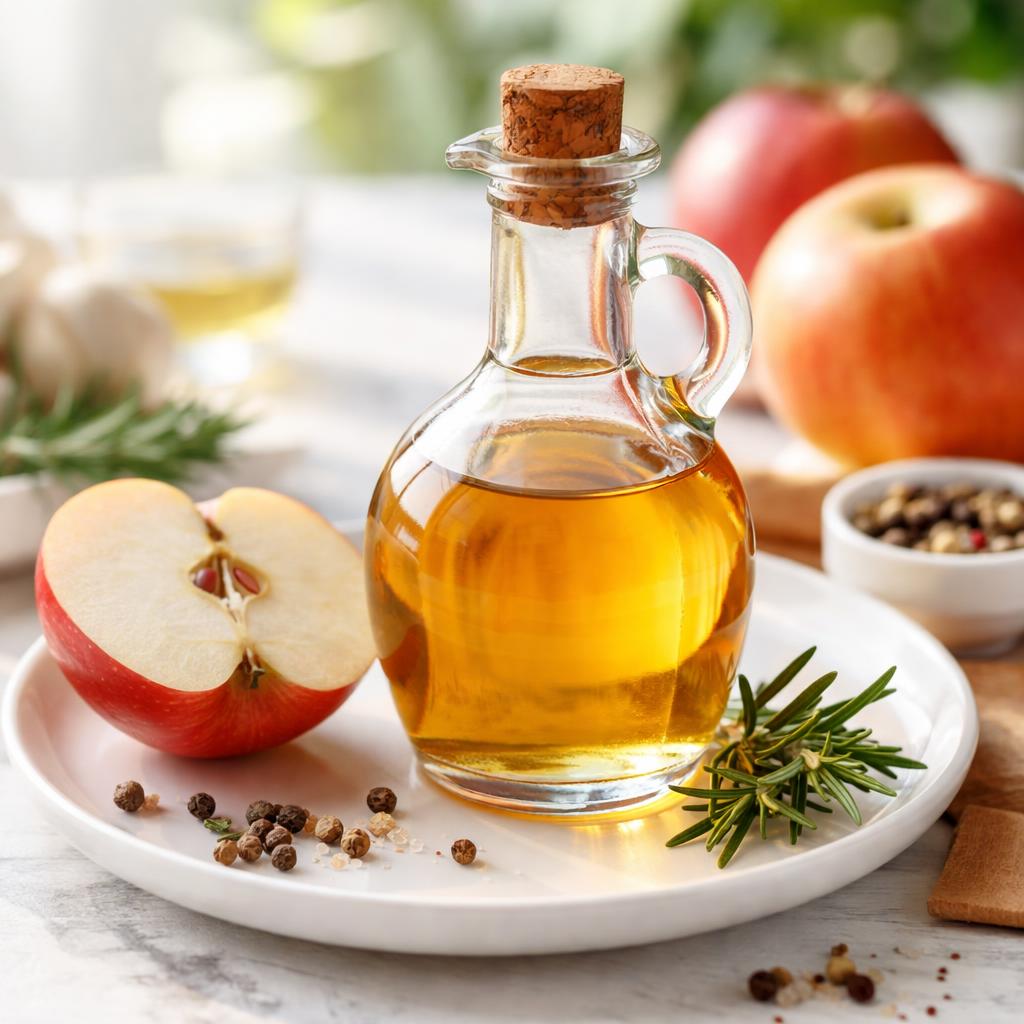
Vinegar
🎯 Quick Verdict
Salad is nutrient-dense, offering fiber, vitamins, and some protein, while vinegar is extremely low-calorie and primarily a condiment. Salad is better suited for balanced meals or as a main dish complement, whereas vinegar adds flavor with minimal impact on macronutrients or calories.

Smart Nutrition Tracking with SnapCalorie

📊 Nutritional Comparison
Macronutrients
| Nutrient | Food 1 | Food 2 | Winner |
|---|---|---|---|
| Calories | 50 | 3 | ✓ |
| Protein | 2g | 0.1g | ✓ |
| Carbs | 9g | 0.8g | ✓ |
| Fat | 0.5g | 0g | ✓ |
| Fiber | 4g | 0g | ✓ |
Vitamins & Minerals
| Nutrient | Food 1 | Food 2 | Winner |
|---|---|---|---|
| Vitamin C | 15mg | 0mg | ✓ |
| Vitamin K | 45mcg | 2mcg | ✓ |
| Iron | 1mg | 0.1mg | ✓ |
| Calcium | 40mg | 2mg | ✓ |
🏆 Category Winners
Protein
Salad contains 20 times more protein than vinegar.
Fiber
Salad is rich in fiber, with 4g per serving; vinegar has none.
Calories
Vinegar has negligible calories—only 3 per serving.
Vitamins
Salad boasts significant amounts of Vitamin C, K, iron, and calcium, while vinegar contributes minimally.
🥗 Diet Compatibility
Keto
Food 1: Compatible
Food 2: Compatible
Both are low-carb and keto-friendly.
Vegan
Food 1: Compatible
Food 2: Compatible
Neither food contains animal products.
Gluten Free
Food 1: Compatible
Food 2: Compatible
Both are naturally gluten-free.
Paleo
Food 1: Compatible
Food 2: Compatible
Both fit paleolithic dietary guidelines.
Low Carb
Food 1: Compatible
Food 2: Compatible
Both foods are low in carbohydrates.
💪 Health Benefits Comparison
Food 1 Benefits
- High in fiber, aiding digestion and gut health
- Rich in vitamins like Vitamin C for immune support
- Contains antioxidants to protect cells from aging and damage
- Low-calorie, making it suitable for weight management
Food 2 Benefits
- Extremely low calorie—ideal for flavoring without impacting energy intake
- May support blood sugar management due to acetic acid content
- Possesses antimicrobial properties for potential gut health
- Contains trace amounts of minerals like potassium and magnesium
✅ The Bottom Line
Salad is the nutritional standout for its fiber, vitamins, and versatility in meal preparation. Vinegar is best as a low-calorie condiment or flavor enhancer. Choose salad for a nutrient-rich meal and vinegar to complement dishes without adding significant calories.
Choose Food 1 for: Daily meals, digestion support, weight management, increasing micronutrient intake
Choose Food 2 for: Low-calorie flavoring, blood sugar control, enhancing food taste


