Salad VS Vegetable Salad
A detailed nutritional comparison
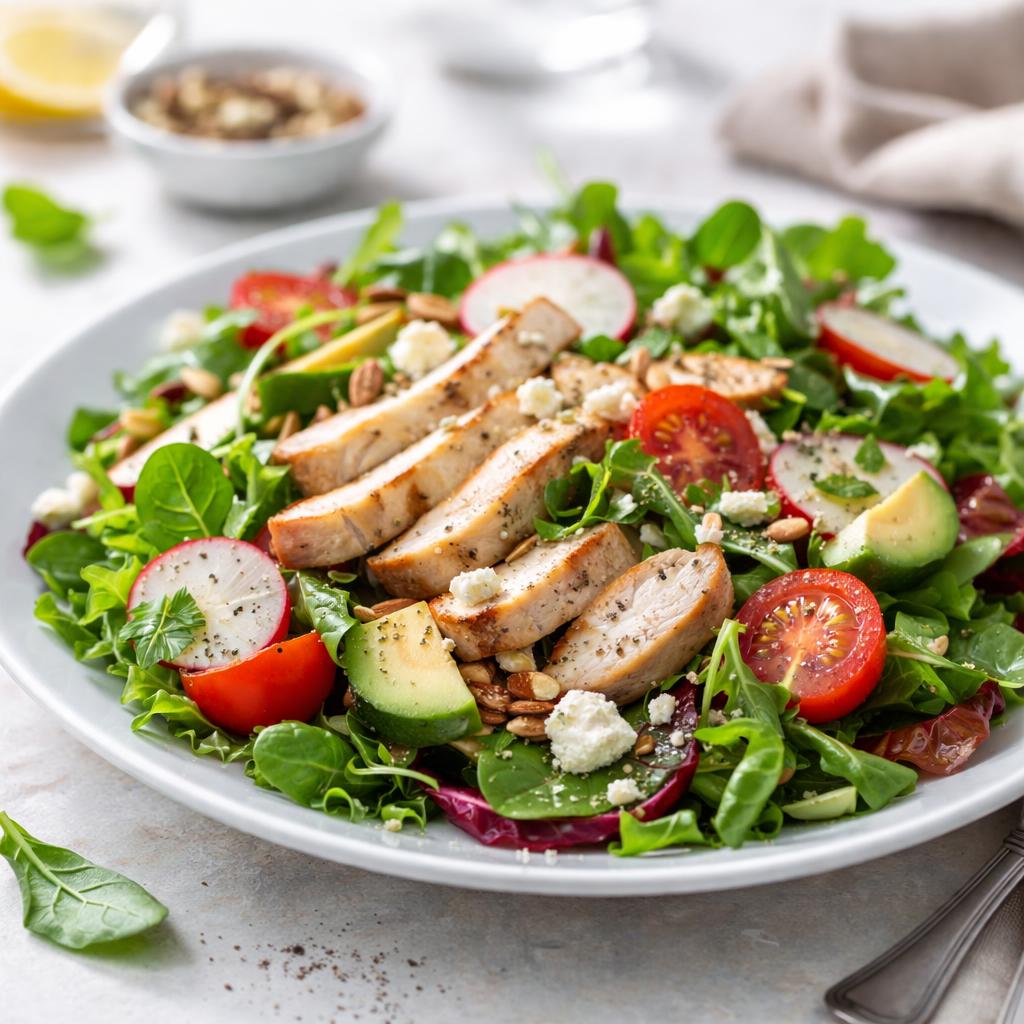
Salad
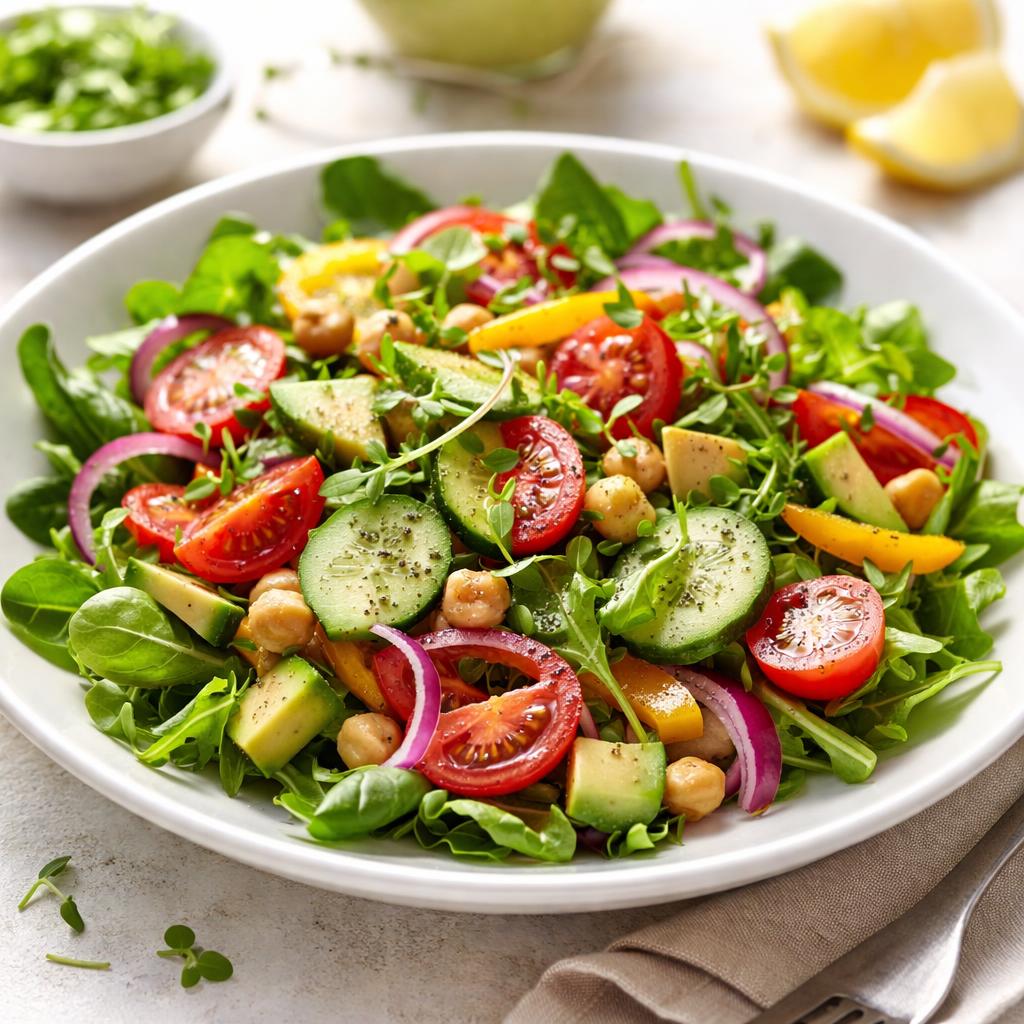
Vegetable Salad
🎯 Quick Verdict
Salad and vegetable salad are both nutrient-dense options primarily consisting of vegetables. While typical salads tend to be lighter with fewer calories, vegetable salads often offer a better range of nutrients, including higher fiber and protein levels. Salads may be better for weight loss, whereas vegetable salads work well for balanced diets and nutrient variety.

Smart Nutrition Tracking with SnapCalorie

📊 Nutritional Comparison
Macronutrients
| Nutrient | Food 1 | Food 2 | Winner |
|---|---|---|---|
| Calories | 70 | 120 | − |
| Protein | 2g | 5g | − |
| Carbs | 10g | 15g | − |
| Fat | 3g | 6g | − |
| Fiber | 3g | 5g | − |
Vitamins & Minerals
| Nutrient | Food 1 | Food 2 | Winner |
|---|---|---|---|
| Vitamin C | 20mg | 30mg | − |
| Vitamin A | 1500IU | 3000IU | − |
| Potassium | 300mg | 500mg | − |
🏆 Category Winners
Protein
Vegetable salad contains more protein due to additional veggie varieties or legumes.
Fiber
Vegetable salad has 67% more fiber per serving.
Calories
Salad offers 42% fewer calories per serving than vegetable salad.
Vitamins
Vegetable salad contains higher amounts of Vitamin C, Vitamin A, and Potassium.
🥗 Diet Compatibility
Keto
Food 1: Not Compatible
Food 2: Not Compatible
Both are too high in carbs to fit a strict keto diet.
Vegan
Food 1: Compatible
Food 2: Compatible
Both are plant-based and suitable for vegans.
Gluten Free
Food 1: Compatible
Food 2: Compatible
Neither contains gluten, assuming no gluten-containing dressing additions.
Paleo
Food 1: Compatible
Food 2: Compatible
Both align with paleo principles, provided dressings do not include processed ingredients.
Low-Carb
Food 1: Not Fully Compatible
Food 2: Not Fully Compatible
Both have moderate carbohydrate content.
💪 Health Benefits Comparison
Food 1 Benefits
- Low calorie, ideal for weight management
- Contains vitamin C for immune support
- Provides dietary fiber for digestive health
Food 2 Benefits
- Higher fiber for digestive regularity
- Rich in vitamin A for eye health
- Good source of potassium for heart and muscle function
- Contains diverse antioxidants from varied vegetables
✅ The Bottom Line
Choose salad when aiming to minimize calories for weight loss diets or light meals. Opt for vegetable salad when seeking nutrient variety, higher fiber, and protein for balanced or energy-sustained diets.
Choose Food 1 for: Weight loss, light meals, calorie-controlled diets
Choose Food 2 for: Balanced nutrition, digestive health, nutrient variety


