Salad VS Tomato Slices
A detailed nutritional comparison
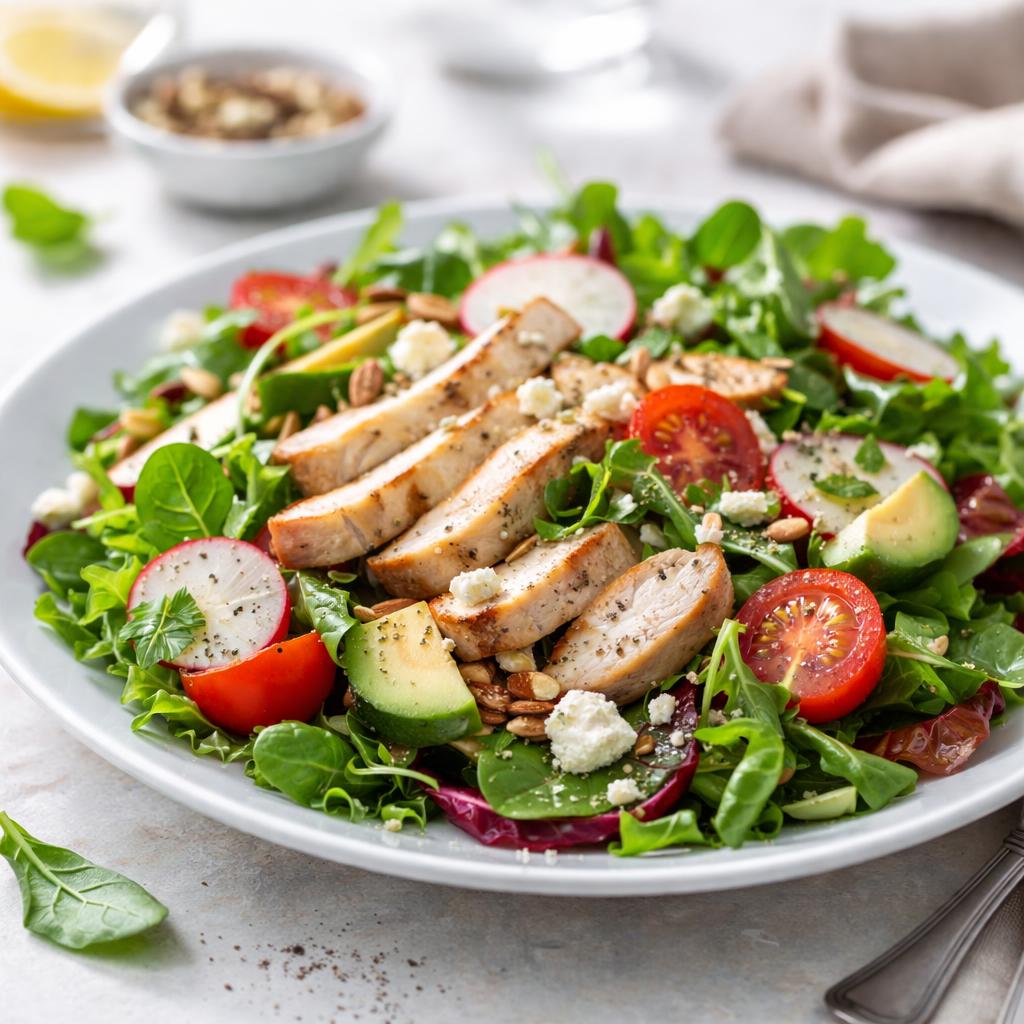
Salad
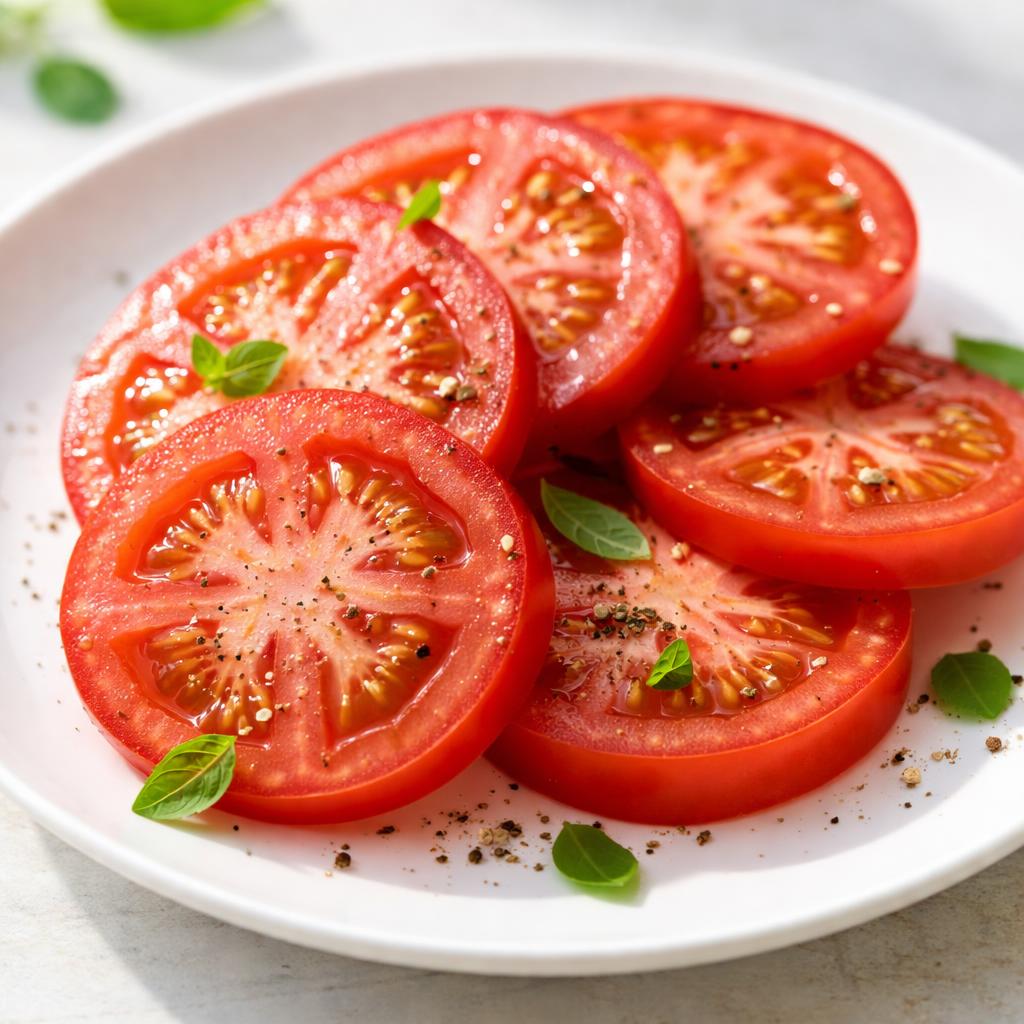
Tomato Slices
🎯 Quick Verdict
Salad and tomato slices are both nutrient-dense, low-calorie options. Salad edges out with higher fiber and a broader range of vitamins and minerals, while tomato slices excel in vitamin C and antioxidants. Salad is more versatile for diverse dietary needs, whereas tomatoes are simple and refreshing as a snack or garnish.

Smart Nutrition Tracking with SnapCalorie

📊 Nutritional Comparison
Macronutrients
| Nutrient | Food 1 | Food 2 | Winner |
|---|---|---|---|
| Calories | 15 | 15 | − |
| Protein | 0.8g | 0.8g | − |
| Carbs | 3g | 3.5g | − |
| Fat | 0.2g | 0.2g | − |
| Fiber | 1g | 0.7g | − |
Vitamins & Minerals
| Nutrient | Food 1 | Food 2 | Winner |
|---|---|---|---|
| Vitamin C | 5mg | 13mg | − |
| Vitamin A | 120mcg | 42mcg | − |
| Calcium | 14mg | 10mg | − |
| Iron | 0.3mg | 0.2mg | − |
🏆 Category Winners
Protein
Both salad and tomato slices provide equivalent protein per serving.
Fiber
Salad contains 30% more fiber, supporting digestion.
Calories
Both foods are equally low in calories per serving, making them ideal for weight management.
Vitamins
Salad offers a wider range of essential vitamins, including higher levels of Vitamin A and Calcium.
🥗 Diet Compatibility
Keto
Food 1: Compatible
Food 2: Compatible
Both foods are low in carbs, fitting well in keto diets.
Vegan
Food 1: Compatible
Food 2: Compatible
Both foods are fully plant-based.
Gluten Free
Food 1: Compatible
Food 2: Compatible
Neither contains gluten.
Paleo
Food 1: Compatible
Food 2: Compatible
Both are natural, unprocessed options suitable for paleo diets.
Low Carb
Food 1: Compatible
Food 2: Compatible
Both foods contain very few carbohydrates, supporting low-carb lifestyles.
💪 Health Benefits Comparison
Food 1 Benefits
- Packed with fiber to support healthy digestion
- Rich in Vitamin A, which is essential for eye health
- Low-calorie option to support weight management
- Provides a mix of nutrients for overall health
Food 2 Benefits
- High in Vitamin C for immune system support
- Contains antioxidants like lycopene that may help fight inflammation
- Low in calories and easy to digest
- Hydrating food that complements active lifestyles
✅ The Bottom Line
Salad is the top choice when looking for a nutrient-dense, fiber-rich option with a variety of vitamins, while tomato slices are great for simple hydration and as a quick-snack source of Vitamin C. Both are excellent, depending on dietary goals.
Choose Food 1 for: High-fiber diets, nutrient diversity, customizable meals
Choose Food 2 for: Snacking, hydration, Vitamin C boost


