Salad VS Tacos
A detailed nutritional comparison
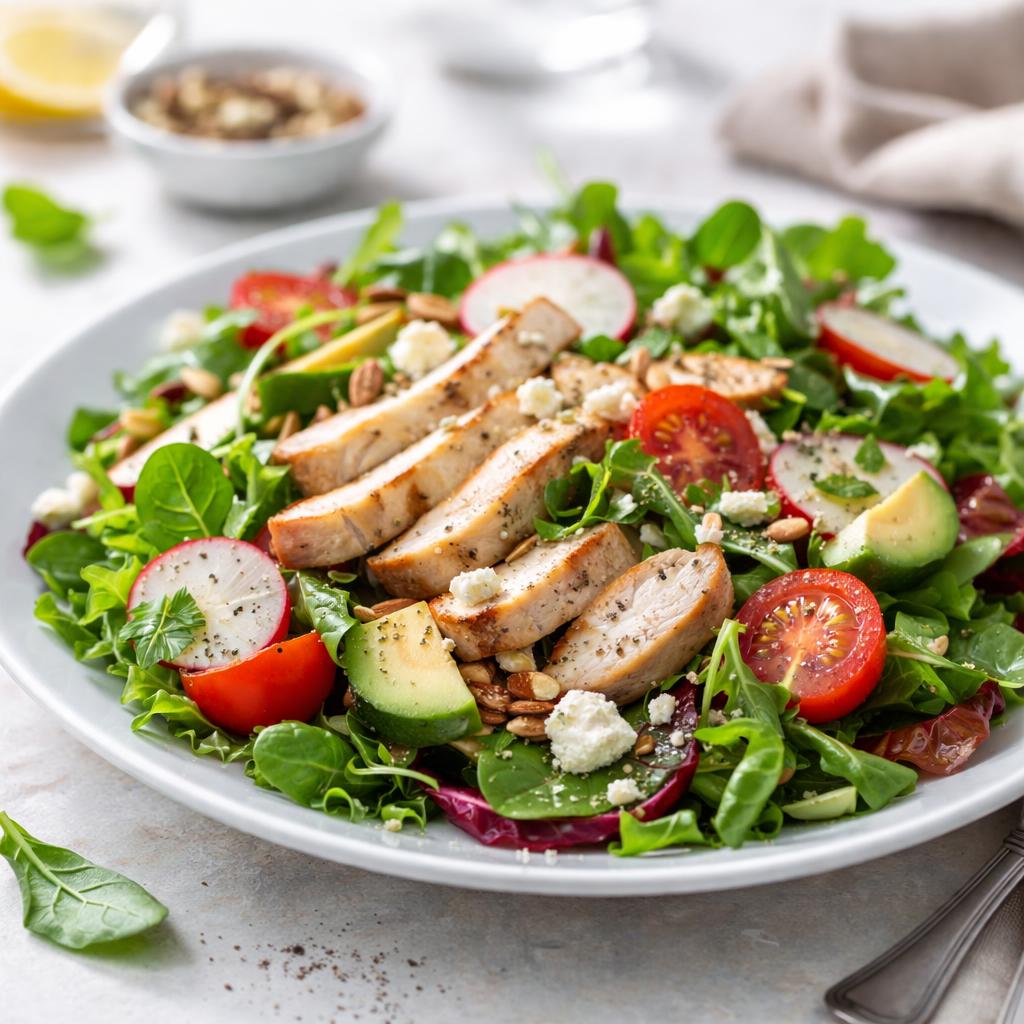
Salad
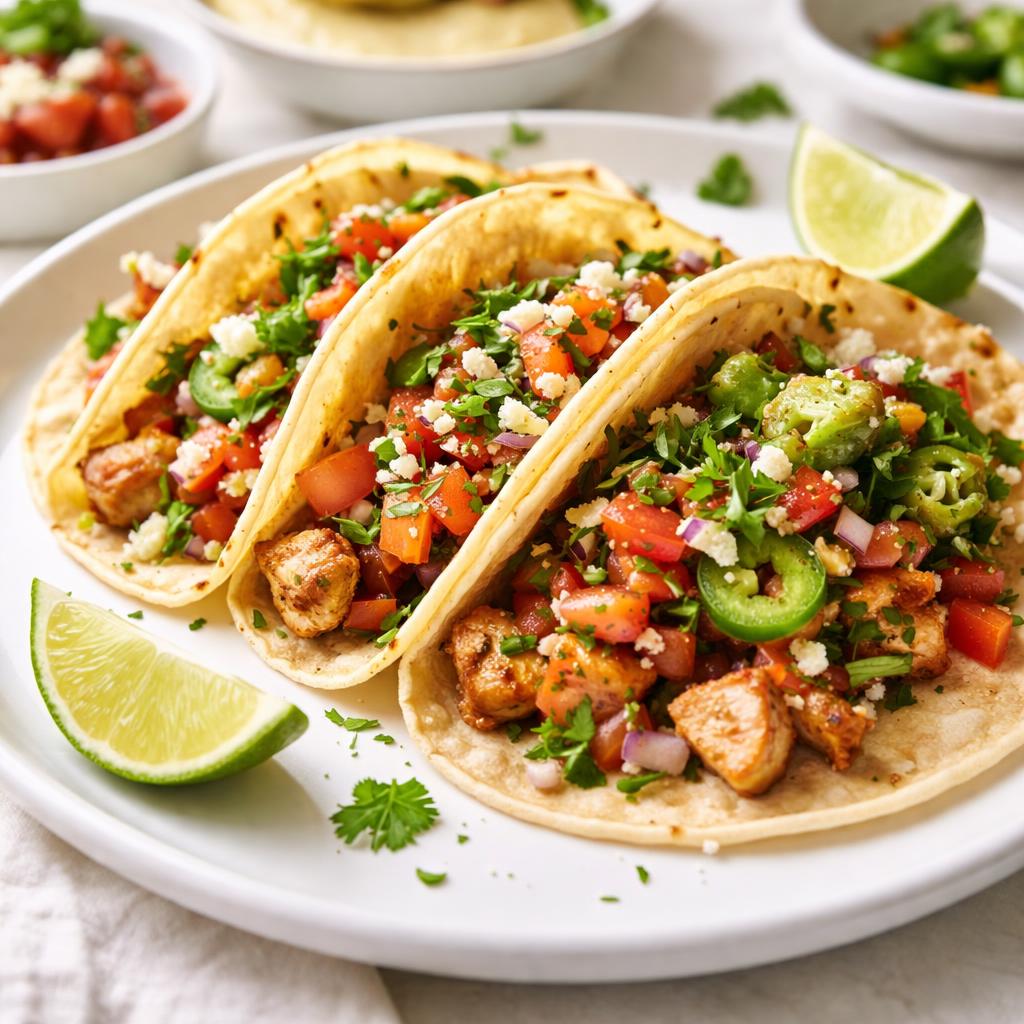
Tacos
🎯 Quick Verdict
Salad is overall lower in calories and higher in fiber, making it a great option for weight management and digestion support. Tacos provide more protein and healthy fats, making them more suitable for muscle maintenance and energy needs. Both foods have unique benefits depending on dietary priorities.

Smart Nutrition Tracking with SnapCalorie

📊 Nutritional Comparison
Macronutrients
| Nutrient | Food 1 | Food 2 | Winner |
|---|---|---|---|
| Calories | 130 | 300 | ✓ |
| Protein | 5g | 12g | ✓ |
| Carbs | 10g | 25g | ✓ |
| Fat | 7g | 15g | ✓ |
| Fiber | 4g | 3g | ✓ |
Vitamins & Minerals
| Nutrient | Food 1 | Food 2 | Winner |
|---|---|---|---|
| Vitamin A | 1400IU | 800IU | ✓ |
| Vitamin C | 10mg | 4mg | ✓ |
| Iron | 2mg | 2.5mg | ✓ |
| Calcium | 100mg | 150mg | ✓ |
🏆 Category Winners
Protein
Tacos have over double the protein per serving compared to salad.
Fiber
Salad contains 33% more fiber per serving.
Calories
Salad is significantly lower in calories.
Vitamins
Salad has higher levels of vitamin A and C, supporting immune and eye health.
🥗 Diet Compatibility
Keto
Food 1: Compatible
Food 2: Compatible
Both foods are adaptable to keto diets depending on ingredients.
Vegan
Food 1: Compatible
Food 2: Not Compatible
Salad is naturally vegan while tacos often contain animal products.
Gluten Free
Food 1: Compatible
Food 2: Possible
Salad is fully gluten-free; tacos depend on the type of tortilla.
Paleo
Food 1: Compatible
Food 2: Possible
Salad aligns with paleo; tacos depend on specific ingredient choices.
Low-Carb
Food 1: Compatible
Food 2: Not Compatible
Salad is low-carb, while tacos typically contain higher carbs due to the tortilla.
💪 Health Benefits Comparison
Food 1 Benefits
- Low in calories for weight management
- High in fiber, promoting healthy digestion
- Rich in vitamin A and C for immune and skin health
Food 2 Benefits
- High in protein for muscle growth and repair
- Good source of iron, supporting healthy blood
- Contains healthy fats for sustained energy
✅ The Bottom Line
Choose salad if you prioritize low calories, high fiber, and micronutrients for digestion and weight loss. Opt for tacos when you need more protein and energy for active lifestyles or muscle recovery. Both can be tailored to specific diets with ingredient modifications.
Choose Food 1 for: Weight management, vegan diets, light meals
Choose Food 2 for: Post-workout meals, hearty filling meals, iron and protein boost


