Salad VS Tabbouleh
A detailed nutritional comparison
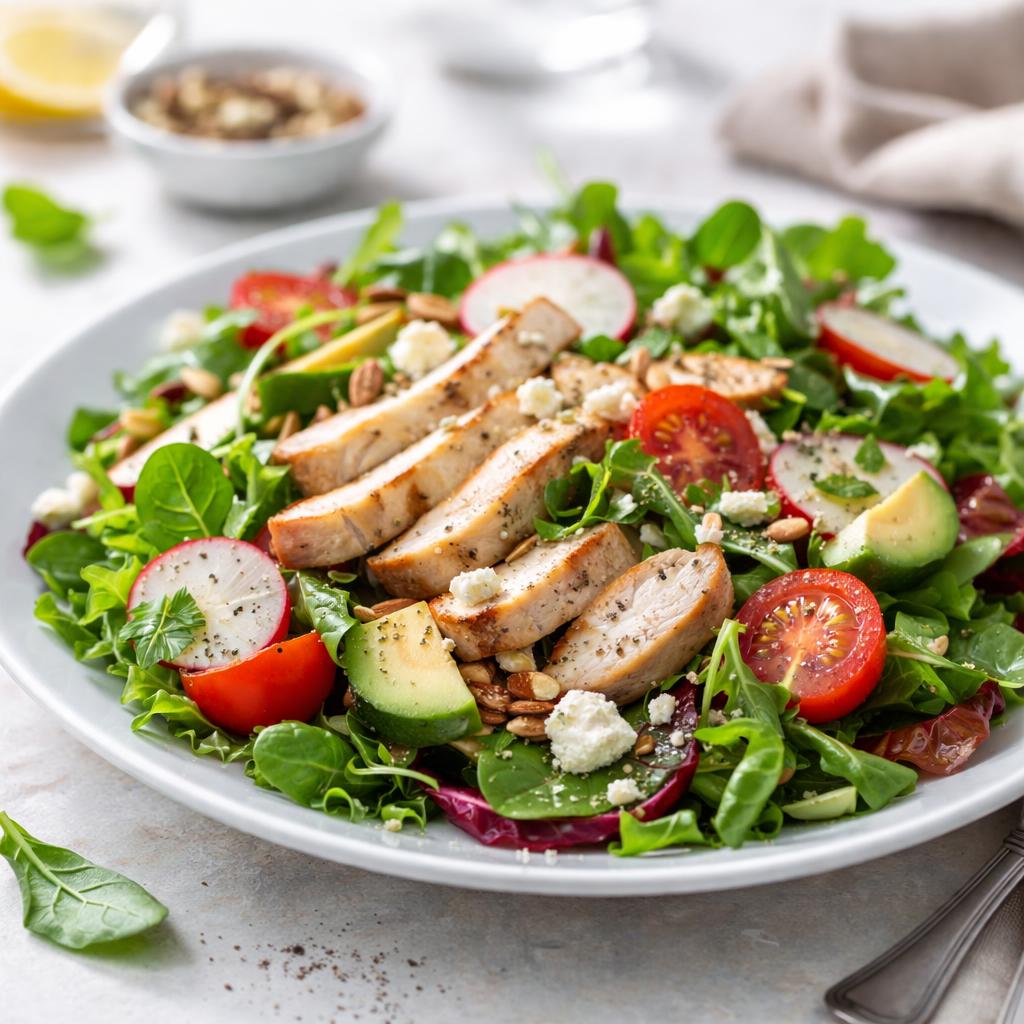
Salad
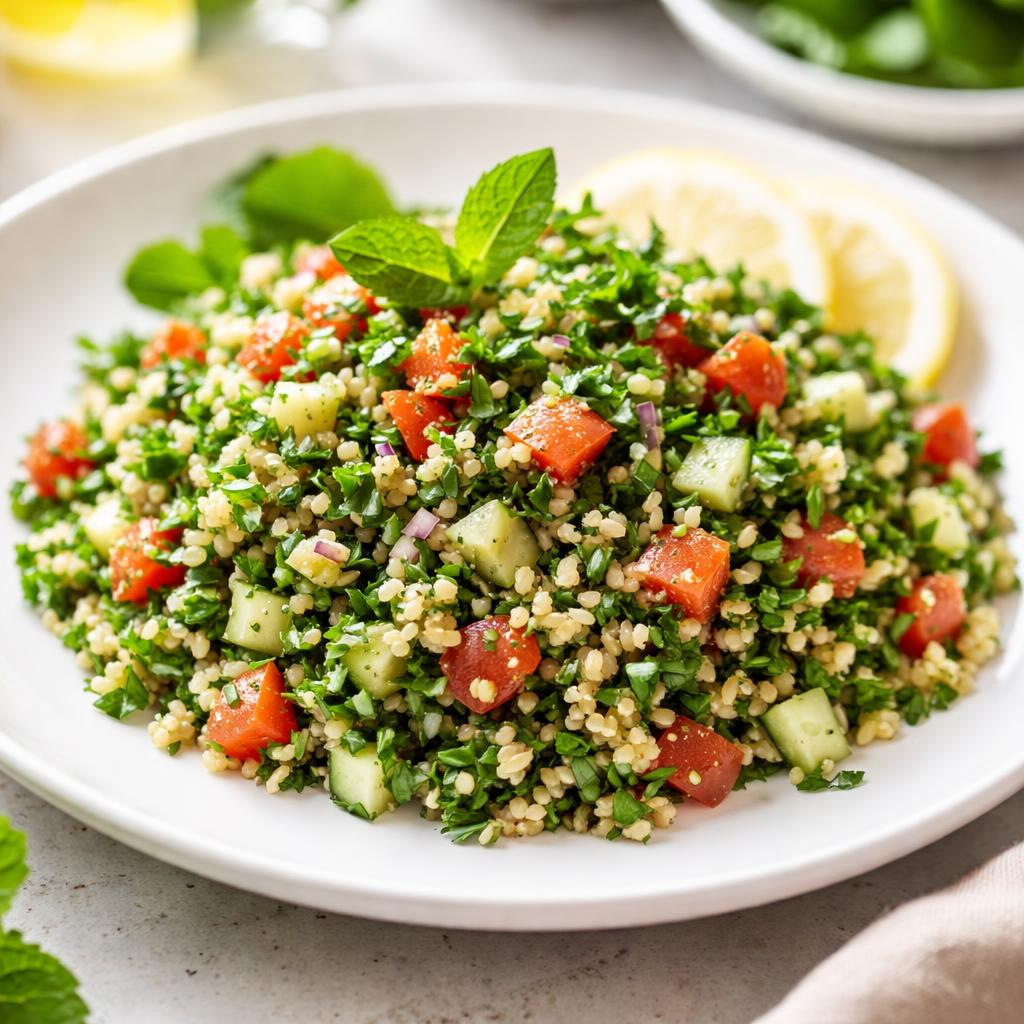
Tabbouleh
🎯 Quick Verdict
Salad generally has fewer calories than tabbouleh, making it ideal for weight management. Tabbouleh, however, is richer in fiber and protein and provides sustained energy, thanks to its wheat and herb composition. Each food serves different dietary roles, with salad being a lighter option and tabbouleh offering more nutrients per bite, suitable for energy-centric diets or as a side dish in Mediterranean cuisine.

Smart Nutrition Tracking with SnapCalorie

📊 Nutritional Comparison
Macronutrients
| Nutrient | Food 1 | Food 2 | Winner |
|---|---|---|---|
| Calories | 50 | 170 | ✓ |
| Protein | 2g | 6g | ✓ |
| Carbs | 6g | 24g | ✓ |
| Fat | 0g | 8g | ✓ |
| Fiber | 1g | 4g | ✓ |
Vitamins & Minerals
| Nutrient | Food 1 | Food 2 | Winner |
|---|---|---|---|
| Vitamin C | 20mg | 8mg | ✓ |
| Vitamin A | 1500IU | 350IU | ✓ |
| Iron | 0.5mg | 2mg | ✓ |
🏆 Category Winners
Protein
Tabbouleh contains three times more protein than salad per serving.
Fiber
Tabbouleh offers quadruple the fiber content compared to salad.
Calories
Salad contains 70% fewer calories.
🥗 Diet Compatibility
Keto
Food 1: Compatible
Food 2: Not Compatible
Food1 is low-carb (6g per serving), while tabbouleh has 24g carbs from bulgur wheat.
Vegan
Food 1: Compatible
Food 2: Compatible
Both foods are plant-based.
Gluten Free
Food 1: Compatible
Food 2: Not Compatible
Tabbouleh contains bulgur wheat, which is not gluten-free.
Paleo
Food 1: Compatible
Food 2: Not Compatible
Tabbouleh's wheat content excludes it from paleo diets.
Low-Carb
Food 1: Compatible
Food 2: Not Compatible
Food1 has substantially fewer carbs compared to tabbouleh.
💪 Health Benefits Comparison
Food 1 Benefits
- Low in calories for weight management
- Rich in vitamin C for immune health
- Contains vitamin A for eye health
Food 2 Benefits
- High in fiber for improved digestion
- Rich in plant-based protein for muscle support
- Provides healthy fats from olive oil and nutrients from herbs
✅ The Bottom Line
Salad is a low-calorie, nutrient-dense food ideal for weight loss and light meals, while tabbouleh packs more protein, fiber, and energy, which makes it better for filling side dishes or moderate energy needs. The choice between the two depends on dietary goals—choose salad for weight-conscious meals and tabbouleh for nutrient density and flavor in Mediterranean-inspired dishes.
Choose Food 1 for: Weight loss, light meals, vitamin intake
Choose Food 2 for: Energy sustenance, nutrient density, Mediterranean diets


