Salad VS Sushi Roll
A detailed nutritional comparison
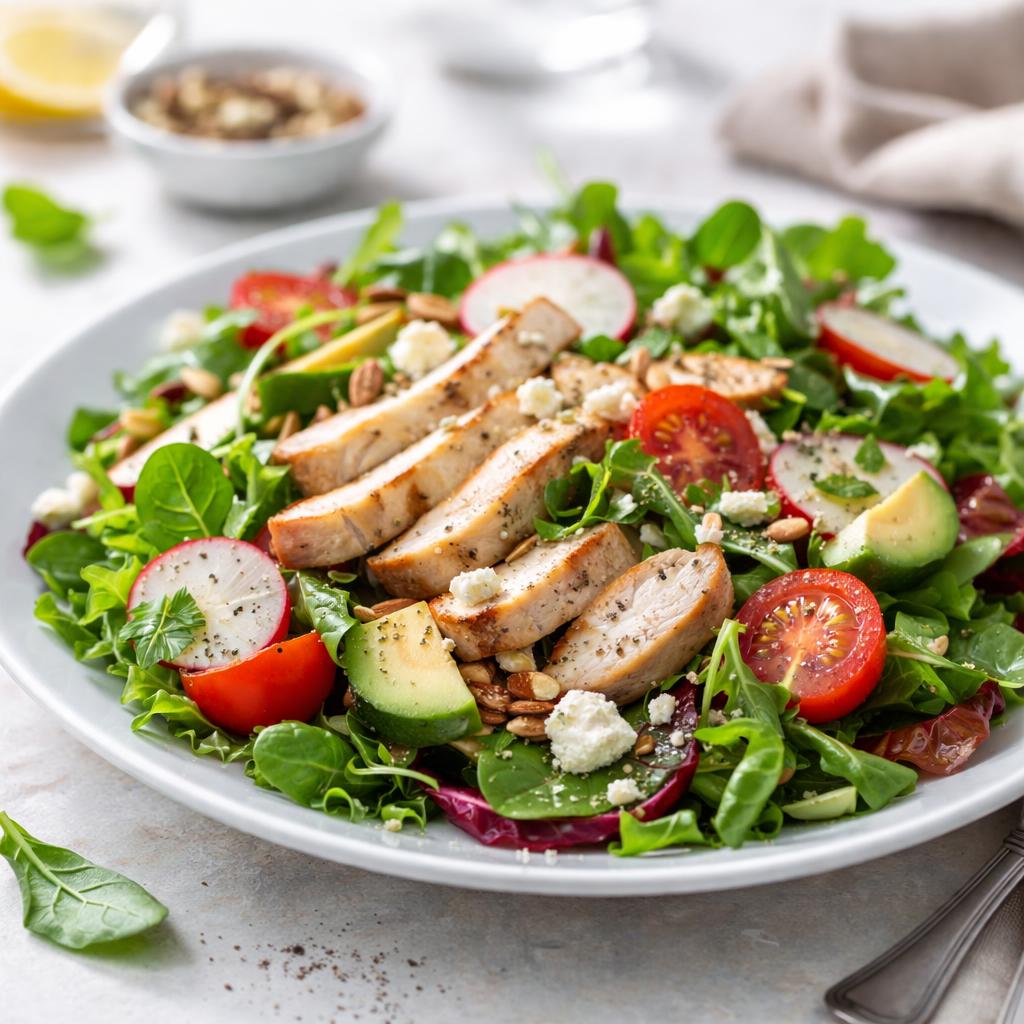
Salad
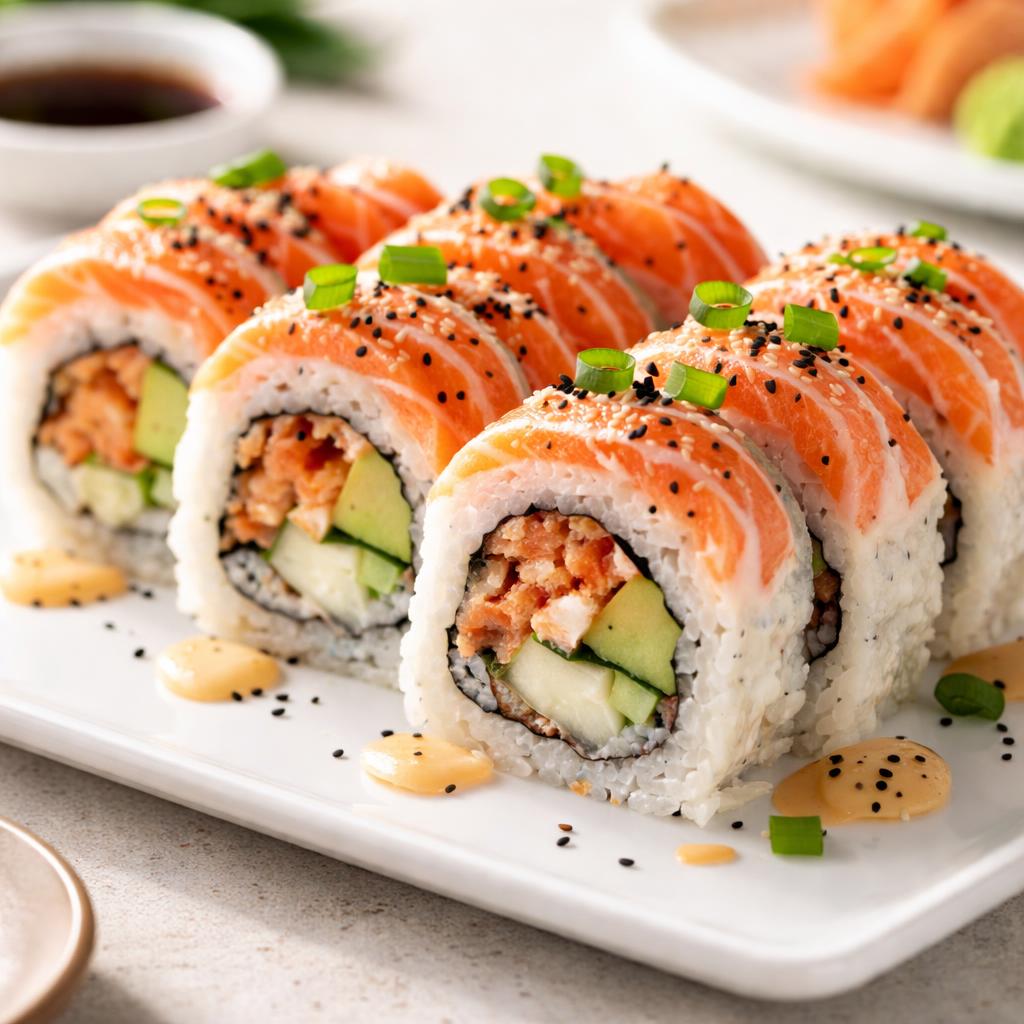
Sushi Roll
🎯 Quick Verdict
Salad is lower in calories and provides more fiber, making it a great choice for weight management and digestion. Sushi rolls offer higher protein and healthy fats, making them ideal for those seeking energy-boosting, nutrient-dense meals. Both foods cater to different nutritional needs and dietary goals.

Smart Nutrition Tracking with SnapCalorie

📊 Nutritional Comparison
Macronutrients
| Nutrient | Food 1 | Food 2 | Winner |
|---|---|---|---|
| Calories | 100 | 250 | ✓ |
| Protein | 2g | 7g | ✓ |
| Carbs | 15g | 35g | ✓ |
| Fat | 3g | 10g | ✓ |
| Fiber | 4g | 1g | ✓ |
Vitamins & Minerals
| Nutrient | Food 1 | Food 2 | Winner |
|---|---|---|---|
| Vitamin A | 1500 IU | 200 IU | ✓ |
| Vitamin C | 40mg | 5mg | ✓ |
| Omega-3s (EPA/DHA) | 0g | 300mg | ✓ |
🏆 Category Winners
Protein
Sushi rolls provide over 3.5x more protein than salad per serving.
Fiber
Salad contains 4g of fiber, compared to sushi roll's 1g.
Calories
Salad is significantly lower in calories, with 100 kcal per serving versus sushi roll's 250 kcal.
🥗 Diet Compatibility
Keto
Food 1: Not Compatible
Food 2: Not Compatible
Both are higher in carbs than typical keto standards.
Vegan
Food 1: Compatible
Food 2: Not Compatible
Salad can be made vegan, while sushi rolls typically contain fish or seafood.
Gluten Free
Food 1: Compatible
Food 2: Conditionally Compatible
Salad is naturally gluten-free, while sushi rolls may contain soy sauce or breaded ingredients with gluten.
Paleo
Food 1: Conditionally Compatible
Food 2: Conditionally Compatible
Salad is compatible if made without non-paleo ingredients like croutons; sushi rolls must avoid rice to be paleo.
Low Carb
Food 1: Compatible
Food 2: Not Compatible
Salad is low-carb with 15g per serving, while sushi rolls contain 35g of carbs per serving.
💪 Health Benefits Comparison
Food 1 Benefits
- Rich in fiber for improved digestion
- Low in calories for weight management
- High in Vitamin C for immune support
- Good source of antioxidants from leafy greens
Food 2 Benefits
- Good source of protein for muscle maintenance
- Rich in omega-3 fatty acids for heart and brain health
- Contains minerals like iodine for thyroid function
- Provides a moderate amount of healthy fats for sustained energy
✅ The Bottom Line
Choose salad for weight loss, fiber intake, and general health. Opt for sushi rolls for a protein boost, omega-3s, and energy-packed meals. Both are great depending on your specific dietary goals.
Choose Food 1 for: Weight management, general health, immunity boost
Choose Food 2 for: Energy replenishment, muscle maintenance, heart health


