Salad VS Sushi
A detailed nutritional comparison
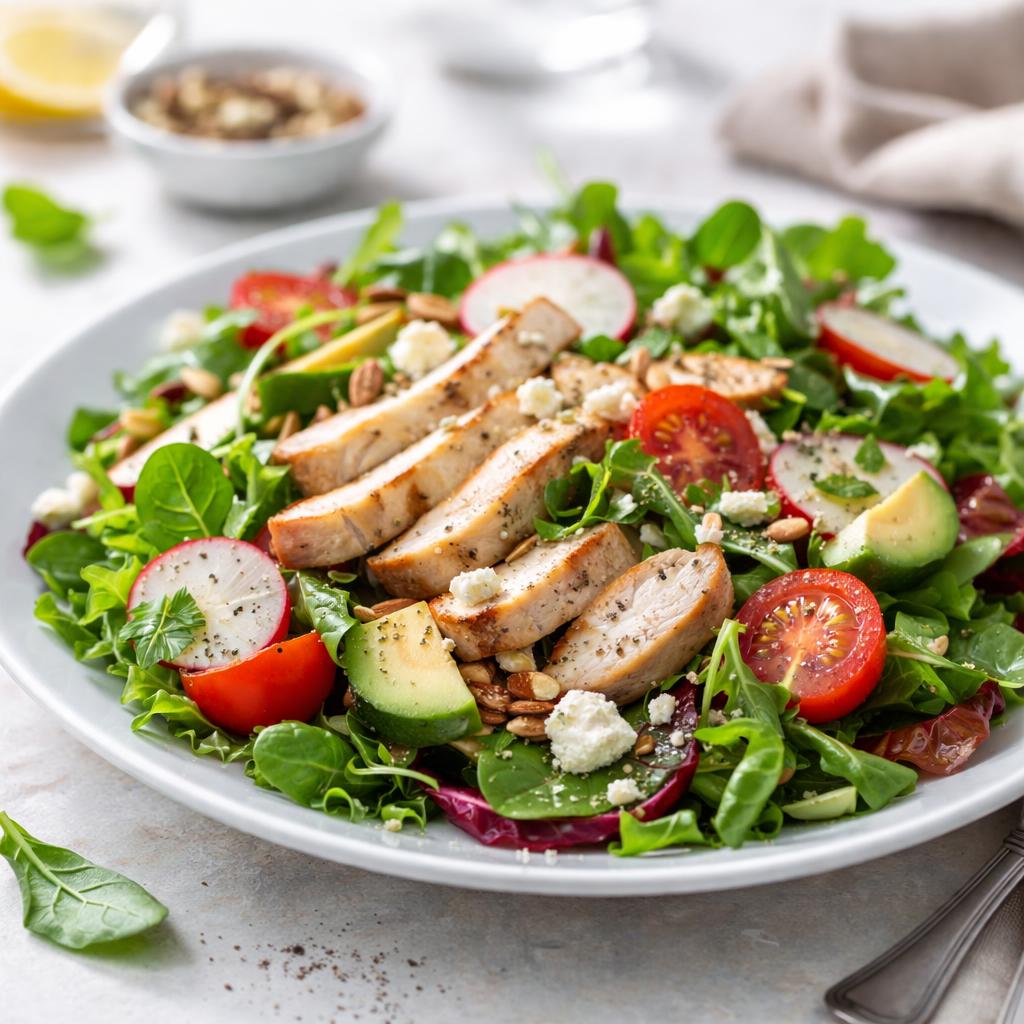
Salad
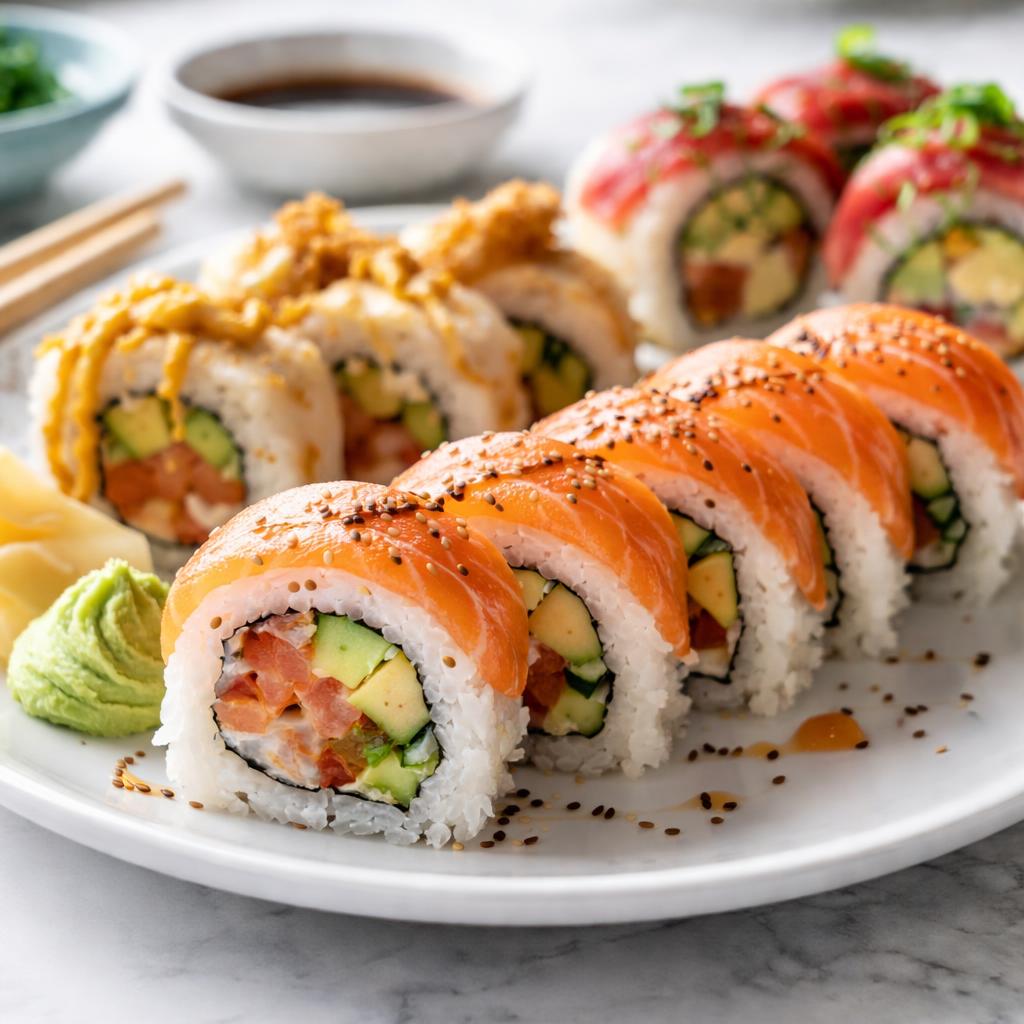
Sushi
🎯 Quick Verdict
Salad is lower in calories and higher in fiber, making it a great choice for weight loss and digestion support. Sushi, on the other hand, is higher in protein and typically provides more nutrient density, making it ideal for muscle maintenance and energy. Both can fit into a healthy diet depending on personal goals and preferences.

Smart Nutrition Tracking with SnapCalorie

📊 Nutritional Comparison
Macronutrients
| Nutrient | Food 1 | Food 2 | Winner |
|---|---|---|---|
| Calories | 100 | 200 | ✓ |
| Protein | 2g | 12g | ✓ |
| Carbs | 10g | 30g | ✓ |
| Fat | 5g | 8g | ✓ |
| Fiber | 4g | 1g | ✓ |
Vitamins & Minerals
| Nutrient | Food 1 | Food 2 | Winner |
|---|---|---|---|
| Vitamin C | 20mg | 2mg | ✓ |
| Vitamin D | 0mcg | 2mcg | ✓ |
| Calcium | 50mg | 10mg | ✓ |
| Iron | 1mg | 0.8mg | ✓ |
| Omega-3 | 0g | 2g | ✓ |
🏆 Category Winners
Protein
Sushi has significantly more protein due to the fish and seafood content.
Fiber
Salad provides 4x more fiber, helping with digestion and satiety.
Calories
Salad has half the calories per serving compared to sushi.
Vitamins
Salad has higher Vitamin C and calcium, but sushi contributes Vitamin D and Omega-3 fatty acids.
🥗 Diet Compatibility
Keto
Food 1: Not Compatible
Food 2: Compatible
Sushi can work for keto if made with fish and no rice; salad is generally too high in carbs.
Vegan
Food 1: Compatible
Food 2: Not Compatible
Salad is plant-based and sushi includes seafood.
Gluten Free
Food 1: Compatible
Food 2: Not Compatible
Sushi often contains soy sauce unless labeled gluten-free; salad contains no gluten.
Paleo
Food 1: Compatible
Food 2: Conditional Compatibility
Salad fits paleo guidelines; sushi is compatible only if rice is omitted.
Low Carb
Food 1: Conditional Compatibility
Food 2: Compatible
Salad can be low-carb depending on its contents; sushi is usually lower in carbs with no rice.
💪 Health Benefits Comparison
Food 1 Benefits
- High in fiber to support digestion
- Rich in Vitamin C for immune health
- Low calorie density ideal for weight loss
- Provides antioxidants from leafy greens and toppings
Food 2 Benefits
- Excellent source of lean protein for muscle building
- Omega-3 fatty acids support heart and brain health
- Contains iodine from seafood to support thyroid function
- Rich in Vitamin D for bone health and immune support
✅ The Bottom Line
Salads are optimal for individuals focused on weight loss and increasing fiber intake. Sushi offers a higher protein option alongside heart-healthy fats, making it a good choice for athletes or those looking for nutrient-dense meals. Choose salad for light, low-calorie meals, and sushi when prioritizing protein and Omega-3s.
Choose Food 1 for: Weight management, vegan diets, high-fiber meals
Choose Food 2 for: Muscle building, heart health, post-workout recovery


