Salad VS Sunflower Seeds
A detailed nutritional comparison
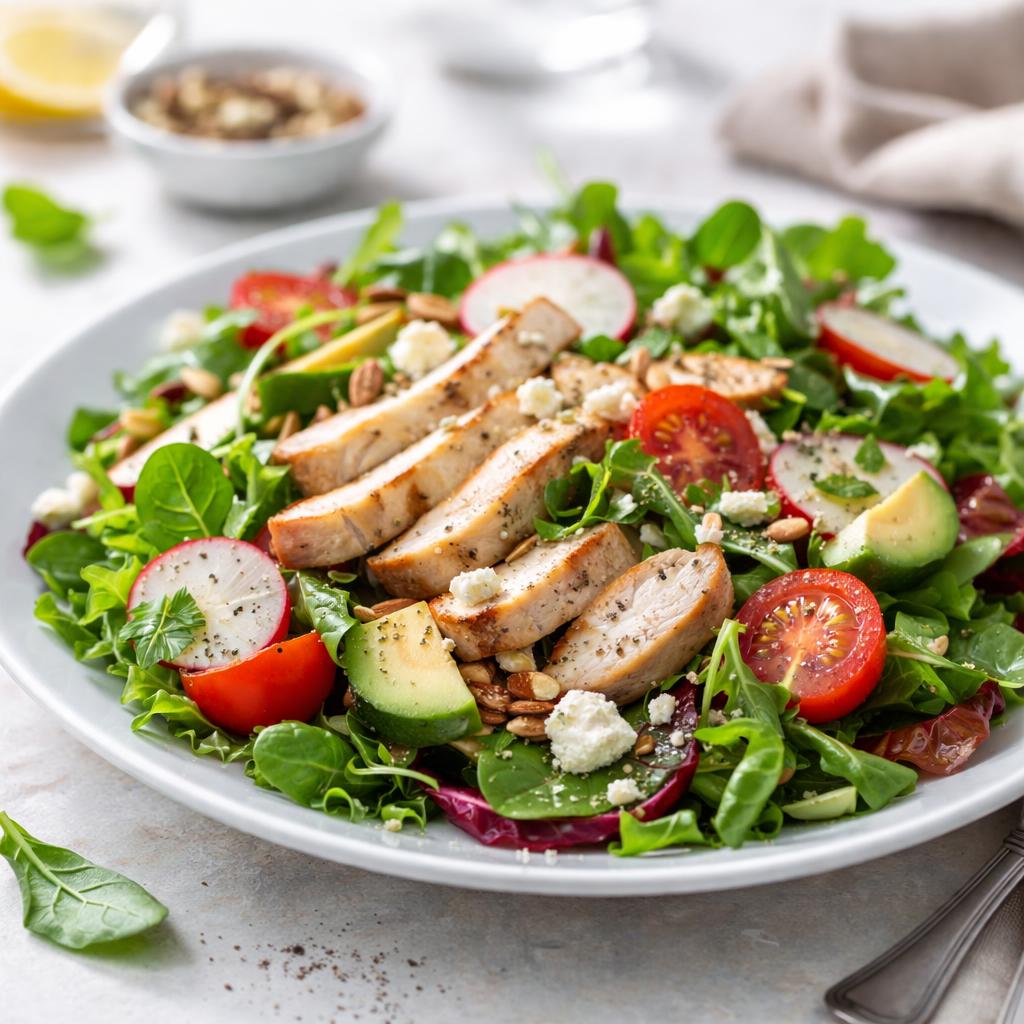
Salad
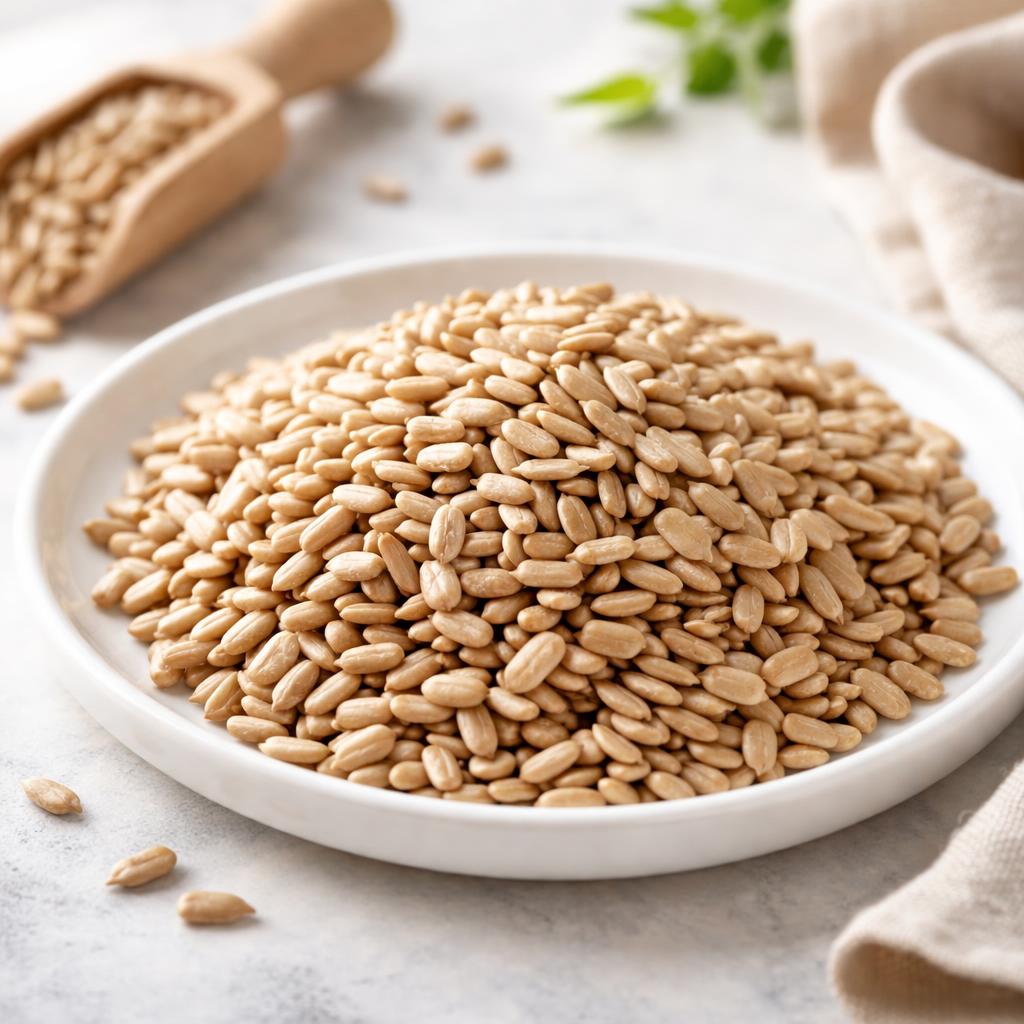
Sunflower Seeds
🎯 Quick Verdict
Sunflower seeds are higher in protein, fiber, and healthy fats, making them a nutrient-dense choice suitable for sustained energy and heart health. Salads are much lower in calories and carbohydrates, ideal for weight loss and filling up without overloading on macronutrients. Both are vegan and gluten-free options with distinct dietary benefits depending on individual goals.

Smart Nutrition Tracking with SnapCalorie

📊 Nutritional Comparison
Macronutrients
| Nutrient | Food 1 | Food 2 | Winner |
|---|---|---|---|
| Calories | 50 (per cup) | 160 (1 ounce) | ✓ |
| Protein | 2g | 5g | ✓ |
| Carbs | 8g | 6g | ✓ |
| Fat | 0.5g | 14g | ✓ |
| Fiber | 2g | 3g | ✓ |
Vitamins & Minerals
| Nutrient | Food 1 | Food 2 | Winner |
|---|---|---|---|
| Vitamin C | 9mg | 1mg | ✓ |
| Vitamin E | 0.5mg | 7.4mg | ✓ |
| Calcium | 25mg | 20mg | ✓ |
| Iron | 0.7mg | 1.1mg | ✓ |
🏆 Category Winners
Protein
Sunflower seeds have over twice the protein per serving compared to salad.
Fiber
Sunflower seeds contain 1g more fiber per serving, aiding digestion.
Calories
Salad is a low-calorie food, containing less than one-third the calories of sunflower seeds.
Vitamins
Food1 offers notable Vitamin C and calcium, while food2 excels in Vitamin E and iron.
🥗 Diet Compatibility
Keto
Food 1: Compatible
Food 2: Compatible
Sunflower seeds are high in healthy fats, and salad is low in carbs, making both options suitable for a keto diet.
Vegan
Food 1: Compatible
Food 2: Compatible
Both foods are plant-based and ideal for vegans.
Gluten Free
Food 1: Compatible
Food 2: Compatible
Neither food contains gluten.
Paleo
Food 1: Compatible
Food 2: Compatible
Both align with a whole-food paleo approach.
Low-Carb
Food 1: Compatible
Food 2: Compatible
Salad is especially low-carb, while sunflower seeds provide moderate carbs suitable for low-carb diets.
💪 Health Benefits Comparison
Food 1 Benefits
- Low calorie content supports weight loss.
- High water content can aid hydration.
- Good source of Vitamin C, boosting immunity.
- Contains antioxidants that promote overall health.
Food 2 Benefits
- High in healthy fats, supporting heart health.
- Excellent source of Vitamin E, an antioxidant that protects cells.
- Rich in protein for muscle repair and maintenance.
- Contains magnesium, aiding energy metabolism.
✅ The Bottom Line
Choose sunflower seeds for nutrient density, energy, and healthy fats. Opt for salad when seeking a low-calorie, hydrating, and vitamin-rich option. Both foods complement various dietary plans and offer distinct advantages based on weight loss or energy needs.
Choose Food 1 for: Weight loss, hydration, light meals
Choose Food 2 for: Energy, heart health, nutrient density


