Salad VS Sub Sandwich
A detailed nutritional comparison
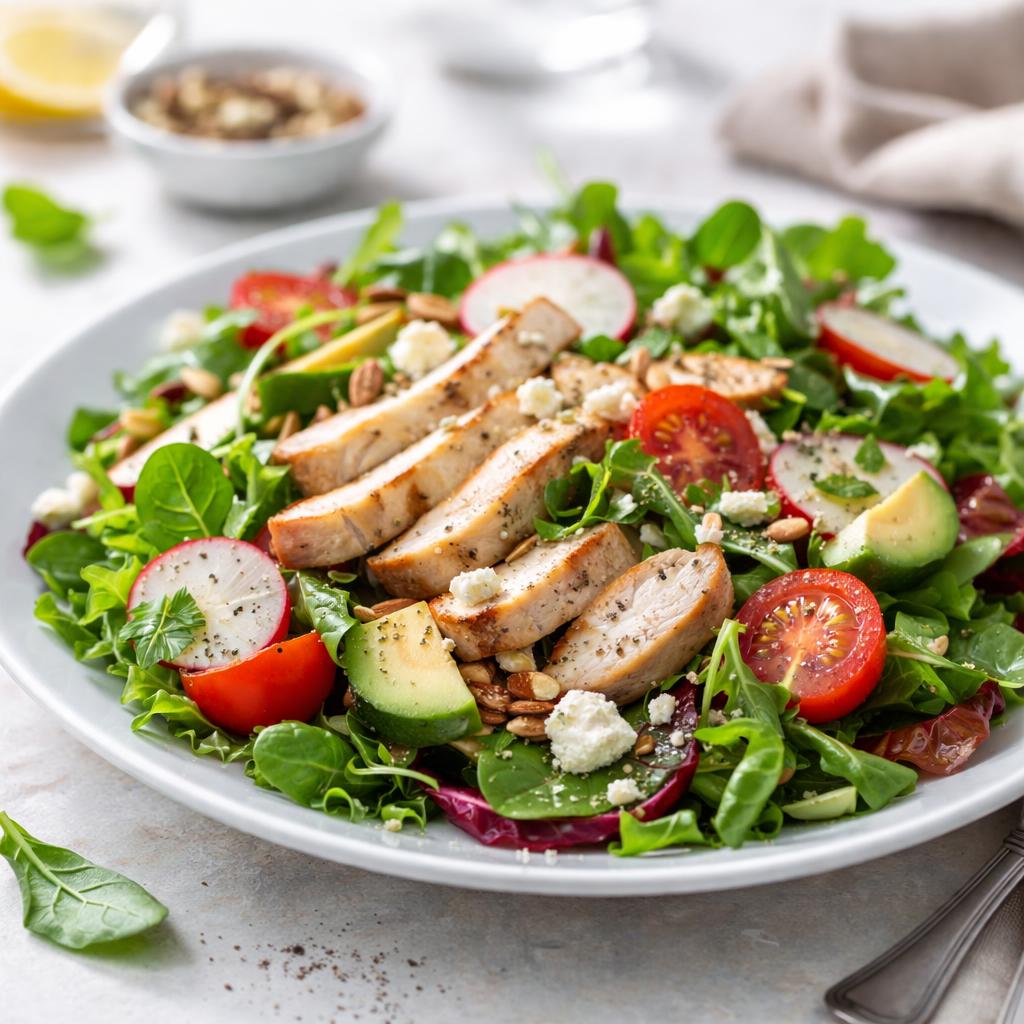
Salad
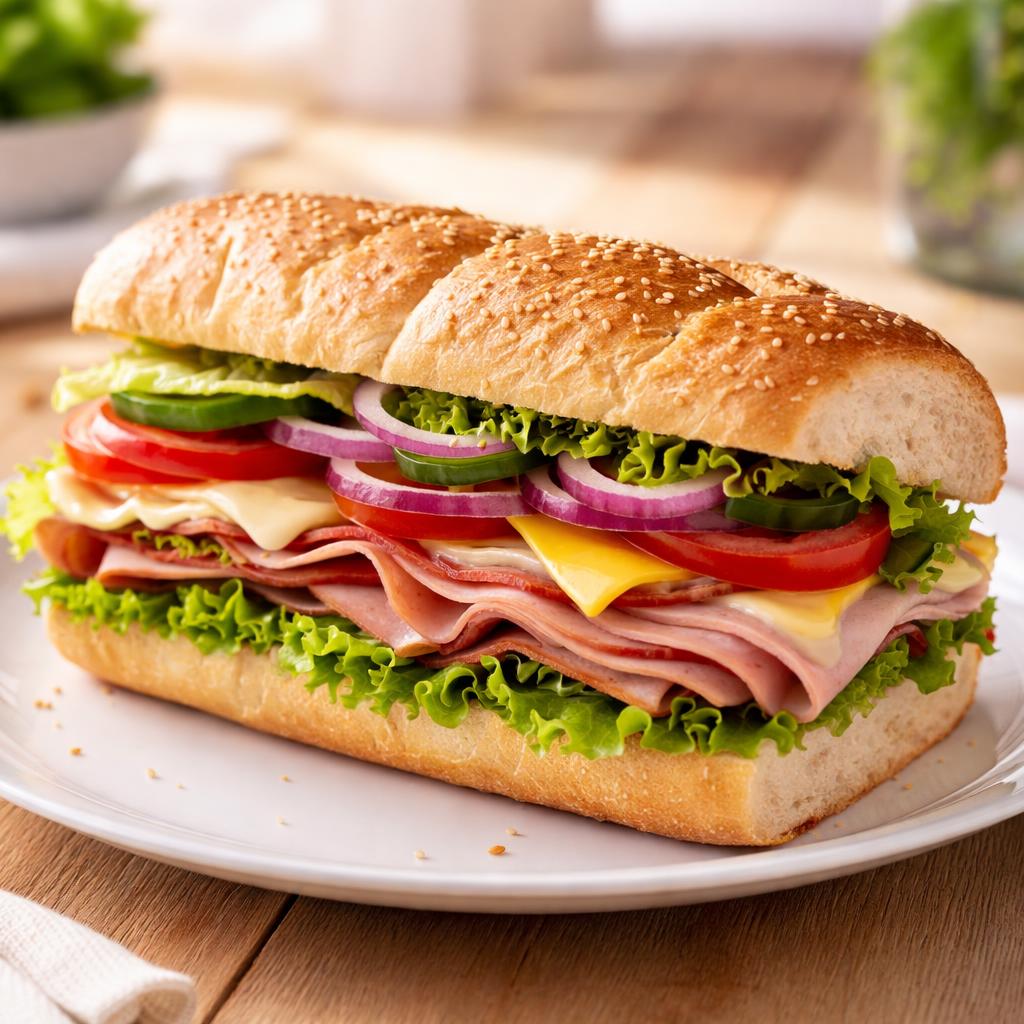
Sub Sandwich
🎯 Quick Verdict
Salad is lower in calories and higher in fiber, making it ideal for weight management and digestion. Sub sandwiches are higher in protein and calories, better suited for energy and muscle repair. Salad works for light meals, while sub sandwiches are great for more filling, energy-packed options.

Smart Nutrition Tracking with SnapCalorie

📊 Nutritional Comparison
Macronutrients
| Nutrient | Food 1 | Food 2 | Winner |
|---|---|---|---|
| Calories | 120 | 400 | ✓ |
| Protein | 4g | 20g | ✓ |
| Carbs | 10g | 50g | ✓ |
| Fat | 5g | 12g | ✓ |
| Fiber | 4g | 2g | ✓ |
Vitamins & Minerals
| Nutrient | Food 1 | Food 2 | Winner |
|---|---|---|---|
| Vitamin D | 0mcg | 0mcg | − |
| Calcium | 40mg | 150mg | ✓ |
| Iron | 1mg | 2mg | ✓ |
| Vitamin A | 200mcg | 100mcg | ✓ |
| Vitamin C | 20mg | 10mg | ✓ |
🏆 Category Winners
Protein
Food2 provides 500% more protein than Food1, suitable for muscle repair.
Fiber
Food1 has twice the fiber content, supporting better digestion.
Calories
Food1 has 70% fewer calories, making it ideal for weight management.
Vitamins
Food1 is rich in Vitamin A and Vitamin C, better for skin and immune health.
🥗 Diet Compatibility
Keto
Food 1: Compatible
Food 2: Not Compatible
Food1 is lower in carbs (10g, compared to Food2's 50g).
Vegan
Food 1: Compatible
Food 2: Not Compatible
Salad can be made entirely plant-based, while some sub sandwiches contain animal products.
Gluten Free
Food 1: Compatible
Food 2: Not Compatible
Food1 has no gluten; Food2 contains bread which contains gluten.
Paleo
Food 1: Compatible
Food 2: Not Compatible
Food1 (salad with whole, natural ingredients) fits paleo diets, unlike processed bread in Food2.
Low-Carb
Food 1: Compatible
Food 2: Not Compatible
Food1 is lower in carbs and better suited for low-carb diets.
💪 Health Benefits Comparison
Food 1 Benefits
- Low in calories, excellent for weight management
- High in fiber, supports healthy digestion
- Rich in vitamins A and C for immune and skin health
- Highly customizable with nutrient-dense toppings
Food 2 Benefits
- High in protein for muscle repair and maintenance
- Provides sustained energy due to higher calories
- Good source of calcium and iron for bone and blood health
- Can be a filling, balanced meal option
✅ The Bottom Line
Choose salad for weight management, digestion, and light meals. Pick sub sandwiches for more protein, energy, and as a filling option on busy days. Both serve different dietary needs effectively.
Choose Food 1 for: Weight loss, digestion support, light meals
Choose Food 2 for: High-protein diets, post-workout recovery, busy schedules requiring filling meals


