Salad VS Shredded Carrot
A detailed nutritional comparison
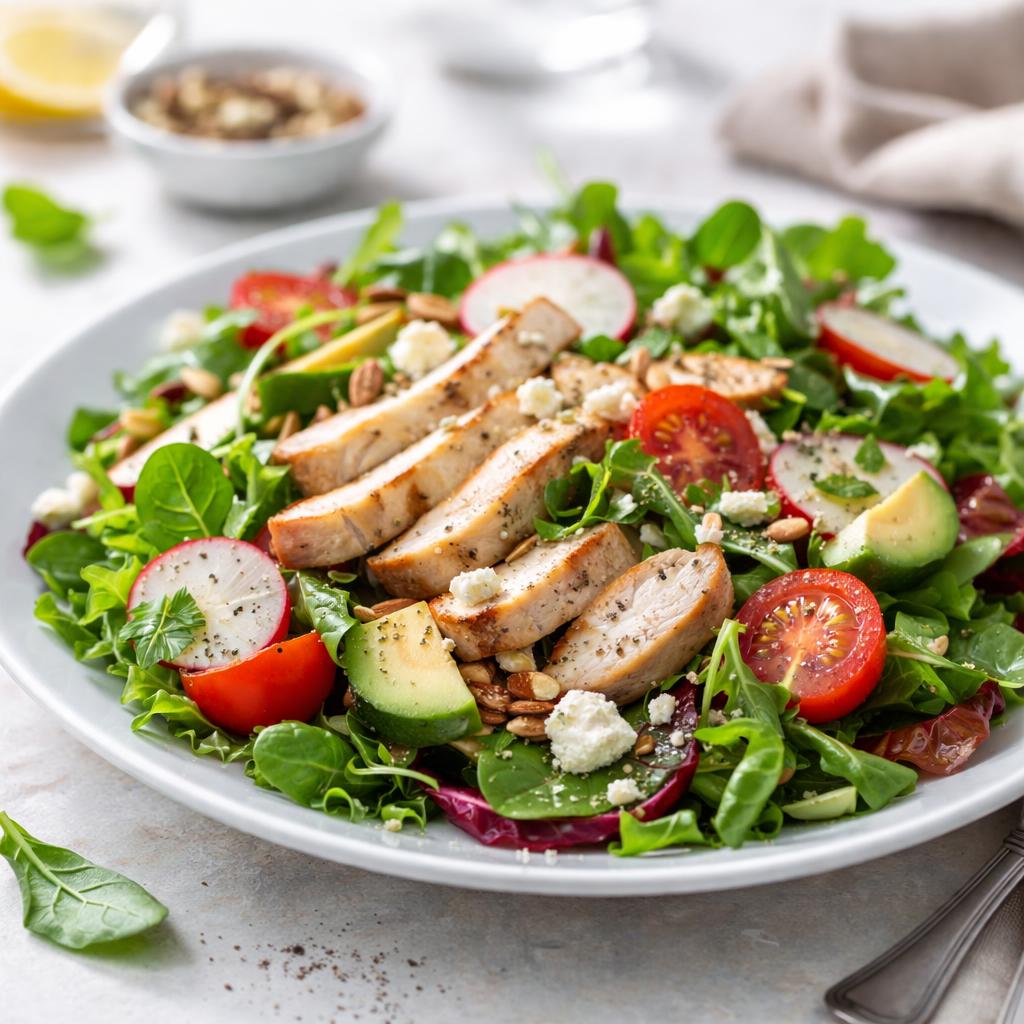
Salad
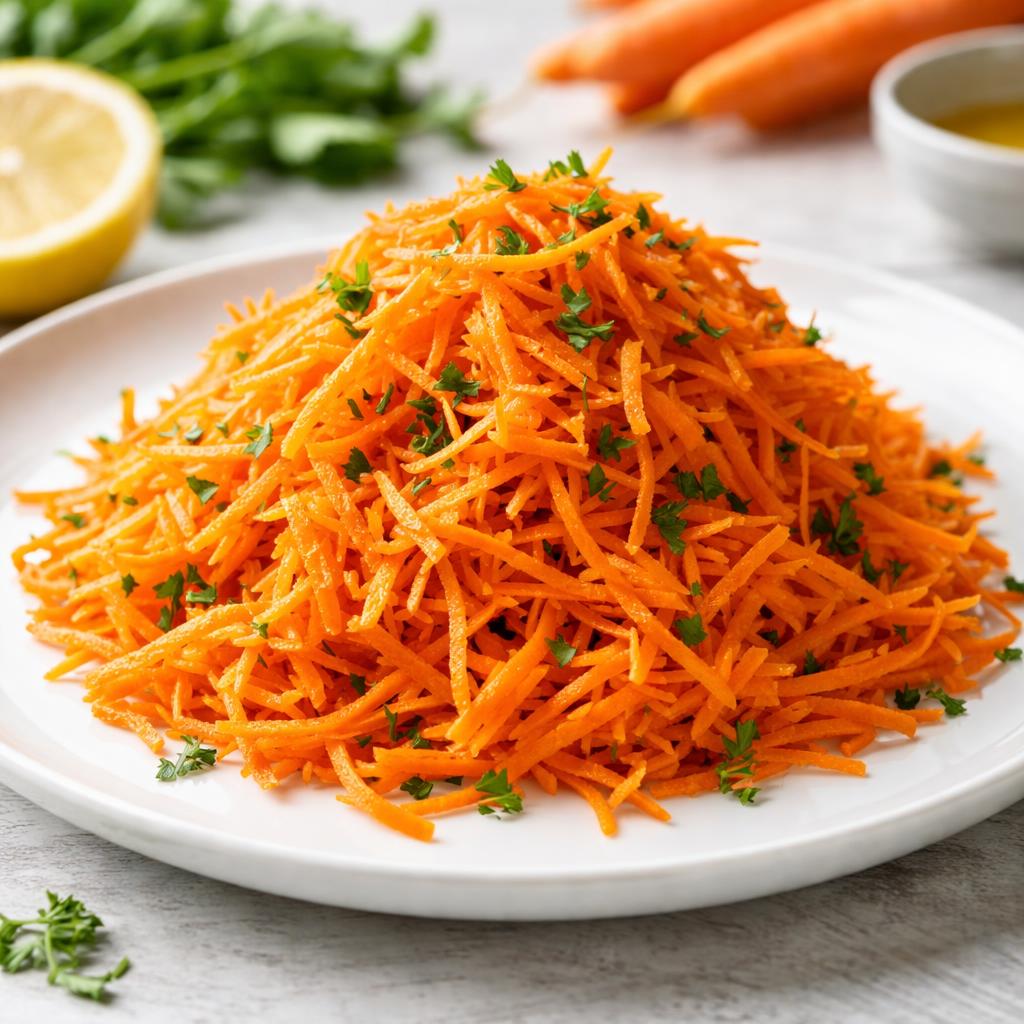
Shredded Carrot
🎯 Quick Verdict
While both foods are nutrient-dense, salad edges out for its higher protein content and lower calorie count, making it ideal for weight-conscious diets. Shredded carrots, on the other hand, are richer in fiber and offer sustained energy from healthy carbohydrates. Both are excellent choices but cater to slightly different dietary needs.

Smart Nutrition Tracking with SnapCalorie

📊 Nutritional Comparison
Macronutrients
| Nutrient | Food 1 | Food 2 | Winner |
|---|---|---|---|
| Calories | 50 (per cup) | 60 (per cup) | − |
| Protein | 3g | 0.6g | − |
| Carbs | 8g | 14g | − |
| Fat | 0.5g | 0.3g | − |
| Fiber | 2g | 3g | − |
Vitamins & Minerals
| Nutrient | Food 1 | Food 2 | Winner |
|---|---|---|---|
| Vitamin A | 1000 IU | 12000 IU | − |
| Vitamin C | 15mg | 5mg | − |
| Calcium | 40mg | 30mg | − |
| Iron | 0.5mg | 0.3mg | − |
🏆 Category Winners
Protein
Salad contains 3 grams of protein per serving, significantly more than shredded carrots.
Fiber
Shredded carrot provides 50% more fiber per serving than salad.
Calories
Salad has 20% fewer calories per cup compared to shredded carrots.
Vitamins
Shredded carrots are exceptionally high in Vitamin A, offering 12 times more than salad.
🥗 Diet Compatibility
Keto
Food 1: Compatible
Food 2: Not Compatible
Salad is lower in carbs, with 8g per serving, while shredded carrots are higher in carbs (14g).
Vegan
Food 1: Compatible
Food 2: Compatible
Both are plant-based foods.
Gluten Free
Food 1: Compatible
Food 2: Compatible
Neither contains gluten.
Paleo
Food 1: Compatible
Food 2: Compatible
Both align with paleo dietary guidelines as whole, unprocessed foods.
Low Carb
Food 1: Compatible
Food 2: Not Compatible
Salad fits within most low-carb diets, while shredded carrots are higher in carbohydrates.
💪 Health Benefits Comparison
Food 1 Benefits
- Rich in protein to support muscle maintenance
- Low in calories for weight loss diets
- Contains Vitamin C for immune health
- Good source of calcium for bone strength
Food 2 Benefits
- High in fiber to aid digestion
- Excellent source of Vitamin A for eye health
- Contains healthy carbohydrates for sustained energy
- Provides antioxidants that may help reduce inflammation
✅ The Bottom Line
Choose salad for weight-conscious or high-protein diets, particularly if you want a low-calorie, low-carb option. Opt for shredded carrots to boost your fiber intake or benefit from their high Vitamin A content. Both are versatile additions to healthy eating plans.
Choose Food 1 for: Weight loss, low-carb diets, protein boost
Choose Food 2 for: Fiber intake, Vitamin A boost, sustained energy


