Salad VS Seeds
A detailed nutritional comparison
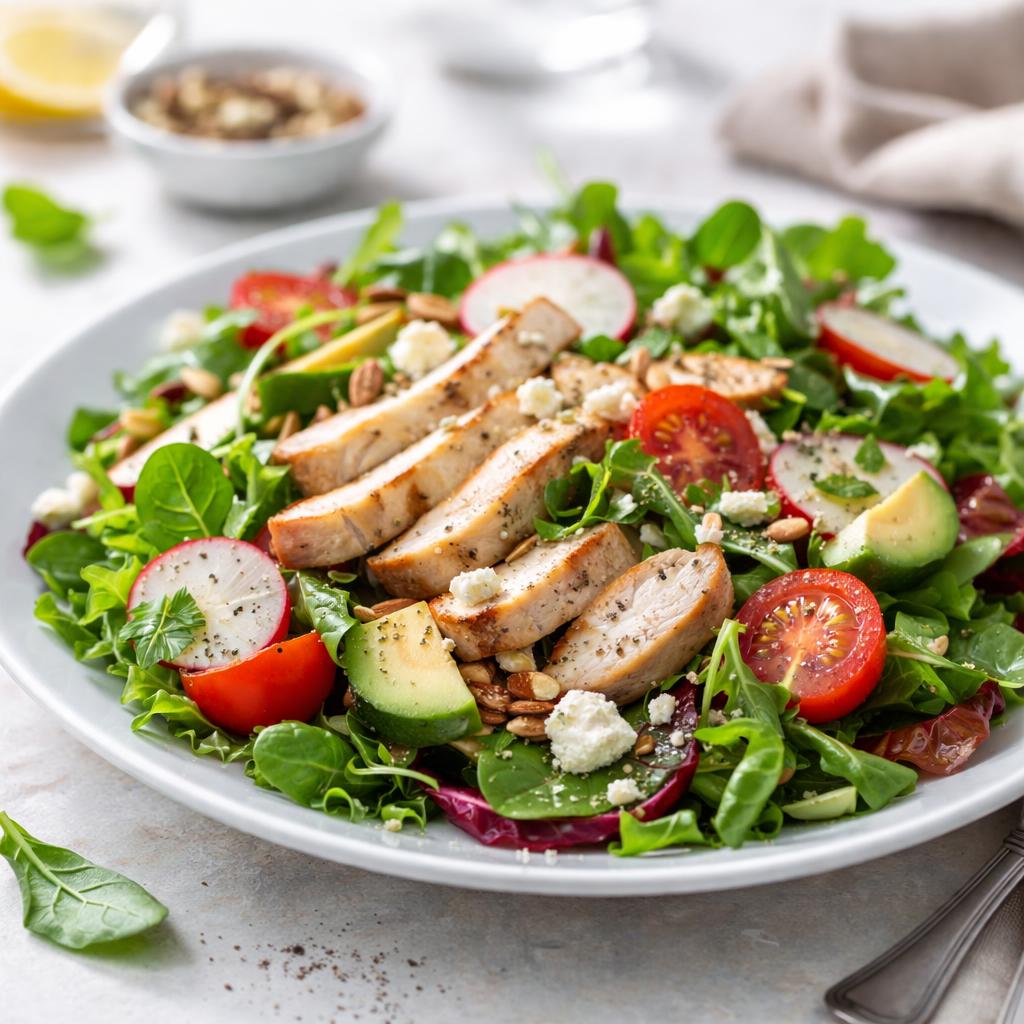
Salad
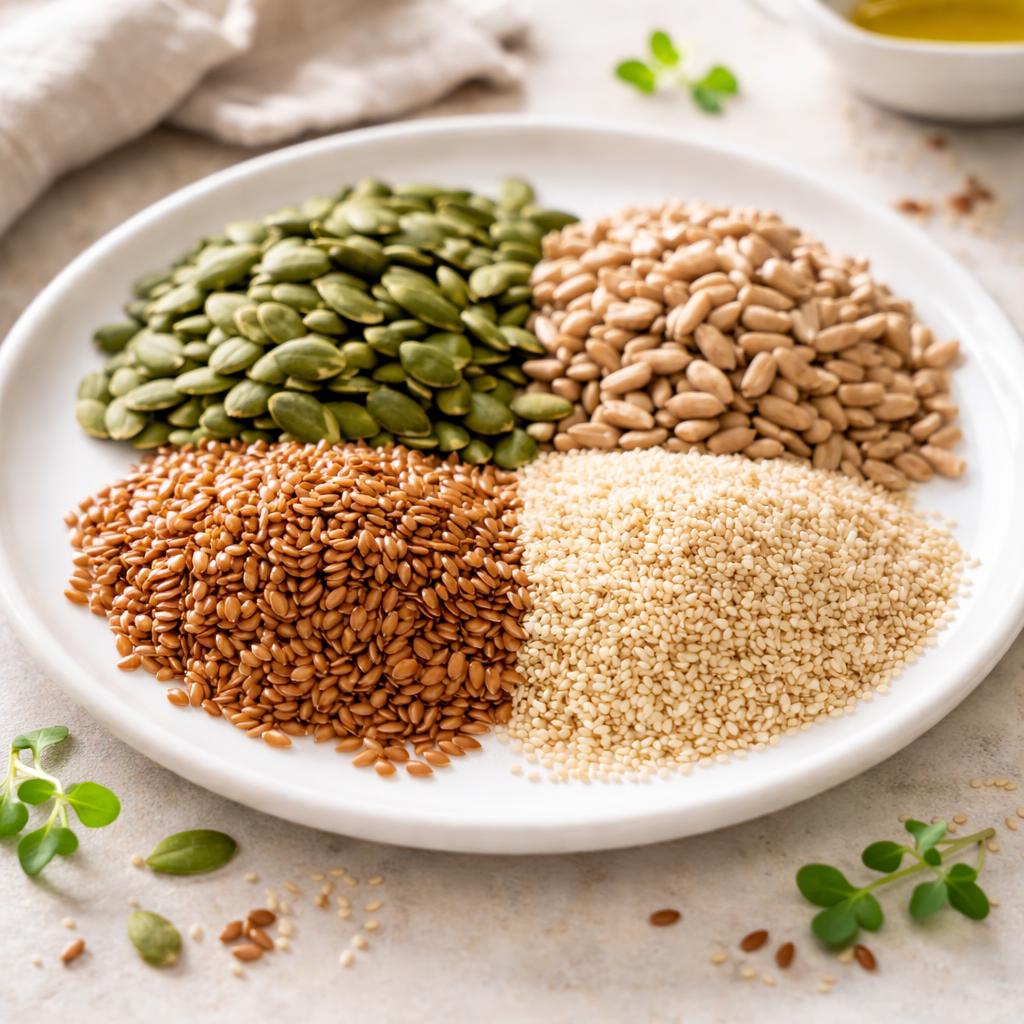
Seeds
🎯 Quick Verdict
Salads are lower in calories and higher in fiber, making them a great choice for weight loss and digestive health. Seeds excel in protein and healthy fats, ideal for energy and muscle building. Both are nutrient-rich and complement different dietary goals effectively.

Smart Nutrition Tracking with SnapCalorie

📊 Nutritional Comparison
Macronutrients
| Nutrient | Food 1 | Food 2 | Winner |
|---|---|---|---|
| Calories | 35 per cup | 150 per ounce | ✓ |
| Protein | 2g per cup | 5g per ounce | ✓ |
| Carbs | 6g per cup | 4g per ounce | − |
| Fat | 0.5g per cup | 13g per ounce | ✓ |
| Fiber | 2g per cup | 1g per ounce | ✓ |
Vitamins & Minerals
| Nutrient | Food 1 | Food 2 | Winner |
|---|---|---|---|
| Vitamin A | 60% DV | 3% DV | ✓ |
| Vitamin C | 40% DV | 1% DV | ✓ |
| Vitamin E | 2% DV | 15% DV | ✓ |
| Calcium | 30mg | 50mg | ✓ |
| Iron | 0.5mg | 1.2mg | ✓ |
🏆 Category Winners
Protein
Seeds contain over twice the protein content compared to salad per serving.
Fiber
Salads offer double the fiber, promoting better digestive health.
Calories
Salads are significantly lower in calories, suitable for weight management.
Vitamins
Salad is rich in vitamins A and C, providing higher daily value percentages.
🥗 Diet Compatibility
Keto
Food 1: Unlikely Compatible
Food 2: Compatible
Seeds fit keto due to healthy fat content and low carbs.
Vegan
Food 1: Compatible
Food 2: Compatible
Both foods are plant-based and vegan-friendly.
Gluten Free
Food 1: Compatible
Food 2: Compatible
Neither food contains gluten.
Paleo
Food 1: Compatible
Food 2: Compatible
Both foods adhere to paleo principles.
Low-Carb
Food 1: Unlikely Compatible
Food 2: Compatible
Seeds are lower in carbs compared to salad.
💪 Health Benefits Comparison
Food 1 Benefits
- High in fiber for improved digestion
- Rich in vitamin A for eye health
- Contains vitamin C for immune support
- Virtually fat-free and low-calorie for weight loss
Food 2 Benefits
- Excellent source of plant-based protein for muscle maintenance
- Rich in healthy fats like omega-3s for heart and brain health
- Provides antioxidants for cellular protection
- Contains essential minerals like iron and calcium for bone and blood health
✅ The Bottom Line
Choose salads if prioritizing weight loss, digestive health, or vitamin content, as they are lower in calories and higher in fiber and key vitamins. Opt for seeds if you need a nutrient-dense, energy-packed food high in protein, healthy fats, and minerals. Both foods are versatile and suitable for different dietary goals.
Choose Food 1 for: Weight loss, refreshing low-cal meals, enhancing fiber intake for digestive health
Choose Food 2 for: Energy boost, muscle-building, heart health, keto and low-carb diets


