Salad VS Sauerkraut
A detailed nutritional comparison
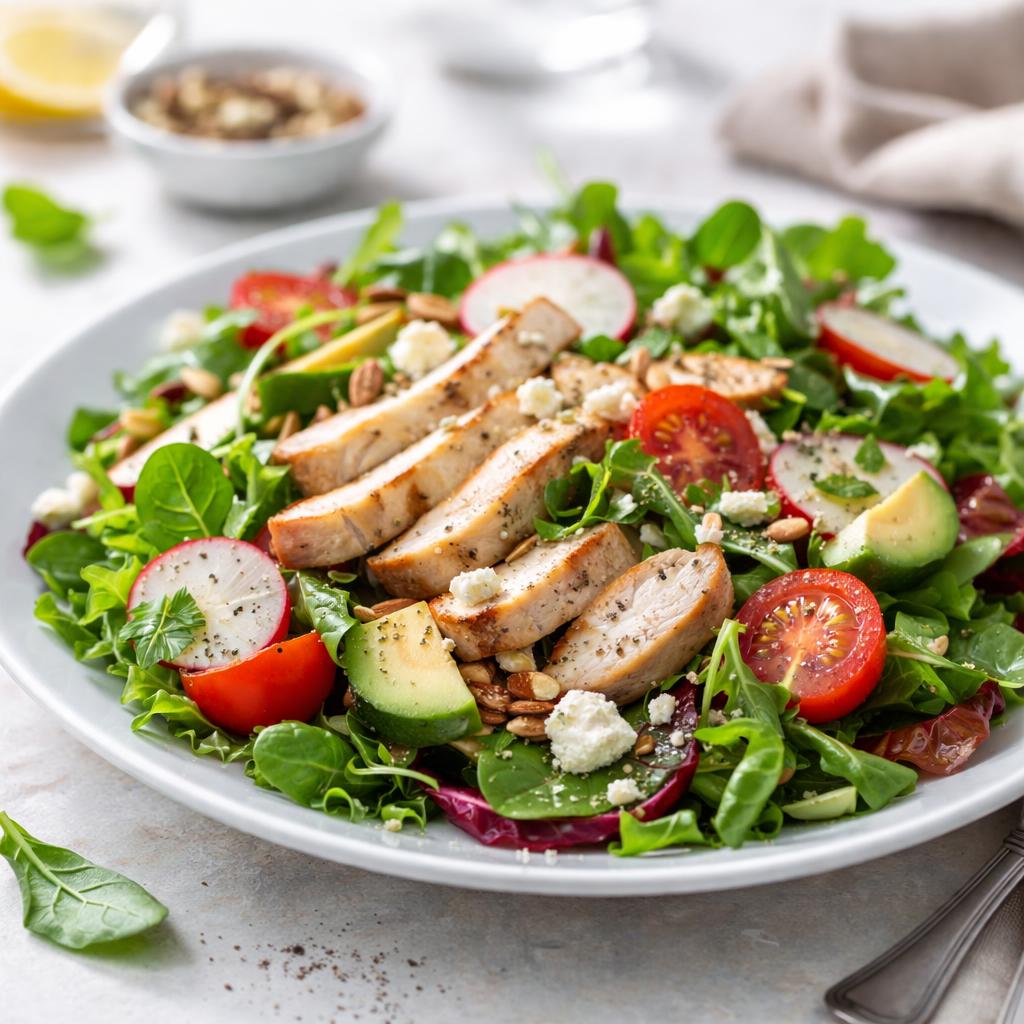
Salad
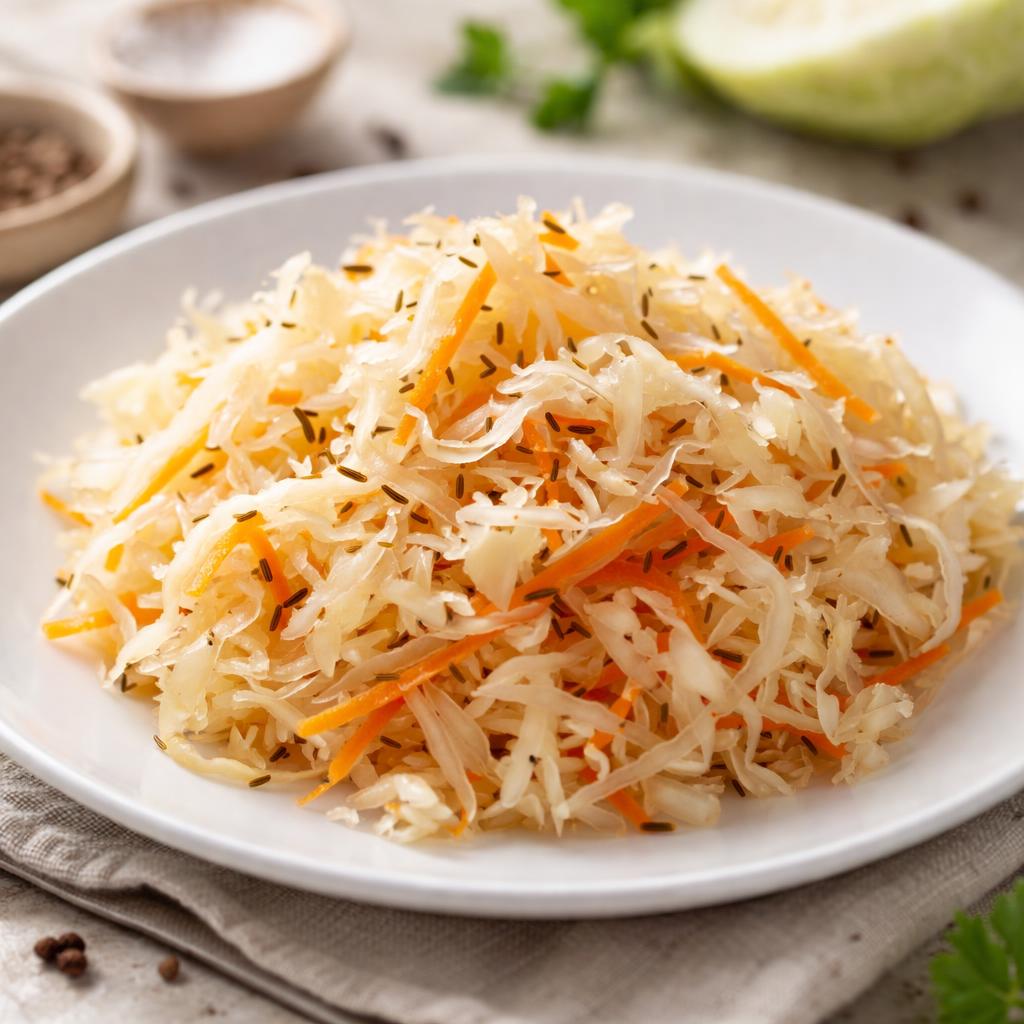
Sauerkraut
🎯 Quick Verdict
Salad is a low-calorie staple rich in vitamins and minerals, ideal for general health and weight loss. Sauerkraut, while slightly higher in calories, excels in probiotics and fiber, making it useful for gut health. Both are compatible with various diets but serve different functional purposes.

Smart Nutrition Tracking with SnapCalorie

📊 Nutritional Comparison
Macronutrients
| Nutrient | Food 1 | Food 2 | Winner |
|---|---|---|---|
| Calories | 20 | 27 | ✓ |
| Protein | 1g | 1g | − |
| Carbs | 4g | 5g | ✓ |
| Fat | 0.2g | 0.1g | ✓ |
| Fiber | 1g | 2.9g | ✓ |
Vitamins & Minerals
| Nutrient | Food 1 | Food 2 | Winner |
|---|---|---|---|
| Vitamin C | 9mg | 14mg | ✓ |
| Vitamin K | 60mcg | 13mcg | ✓ |
| Potassium | 170mg | 160mg | ✓ |
🏆 Category Winners
Protein
Both salad and sauerkraut offer similar protein levels (1g/serving).
Fiber
Sauerkraut provides nearly 3x the fiber compared to salad.
Calories
Salad has 26% fewer calories per serving than sauerkraut.
🥗 Diet Compatibility
Keto
Food 1: Compatible
Food 2: Compatible
Both are low-carbohydrate and fit into keto diets.
Vegan
Food 1: Compatible
Food 2: Compatible
Both foods are plant-based and vegan-friendly.
Gluten Free
Food 1: Compatible
Food 2: Compatible
Neither salad nor sauerkraut contains gluten.
Paleo
Food 1: Compatible
Food 2: Compatible
Both foods align with a paleo diet, assuming no additives in sauerkraut.
Low-Carb
Food 1: Compatible
Food 2: Compatible
Both are naturally low-carb options with fewer than 5g of carbs per serving.
💪 Health Benefits Comparison
Food 1 Benefits
- Low in calories, great for weight management
- High in Vitamin K for bone health
- Contains potassium for electrolyte balance
Food 2 Benefits
- Rich in probiotics, supports gut health
- High in fiber for improved digestion
- Good source of Vitamin C for immune function
✅ The Bottom Line
Choose salad for a low-calorie option packed with vitamins, minerals, and versatility in meal prep. Opt for sauerkraut when aiming for gut health benefits and higher fiber content. Both foods complement various diets but serve different nutritional purposes.
Choose Food 1 for: Weight loss, low-calorie meals, vitamin-rich diets
Choose Food 2 for: Gut health support, digestion, high-fiber needs


