Salad VS Sauce
A detailed nutritional comparison
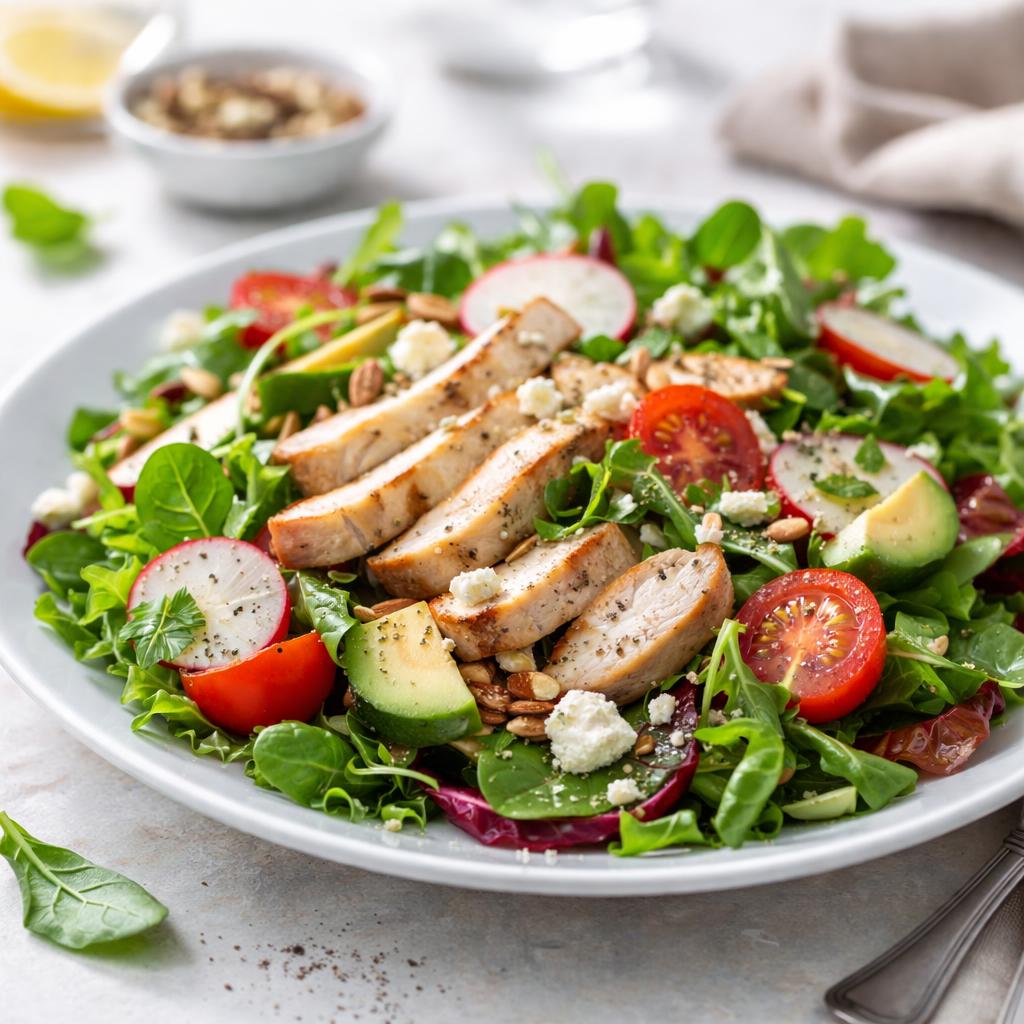
Salad
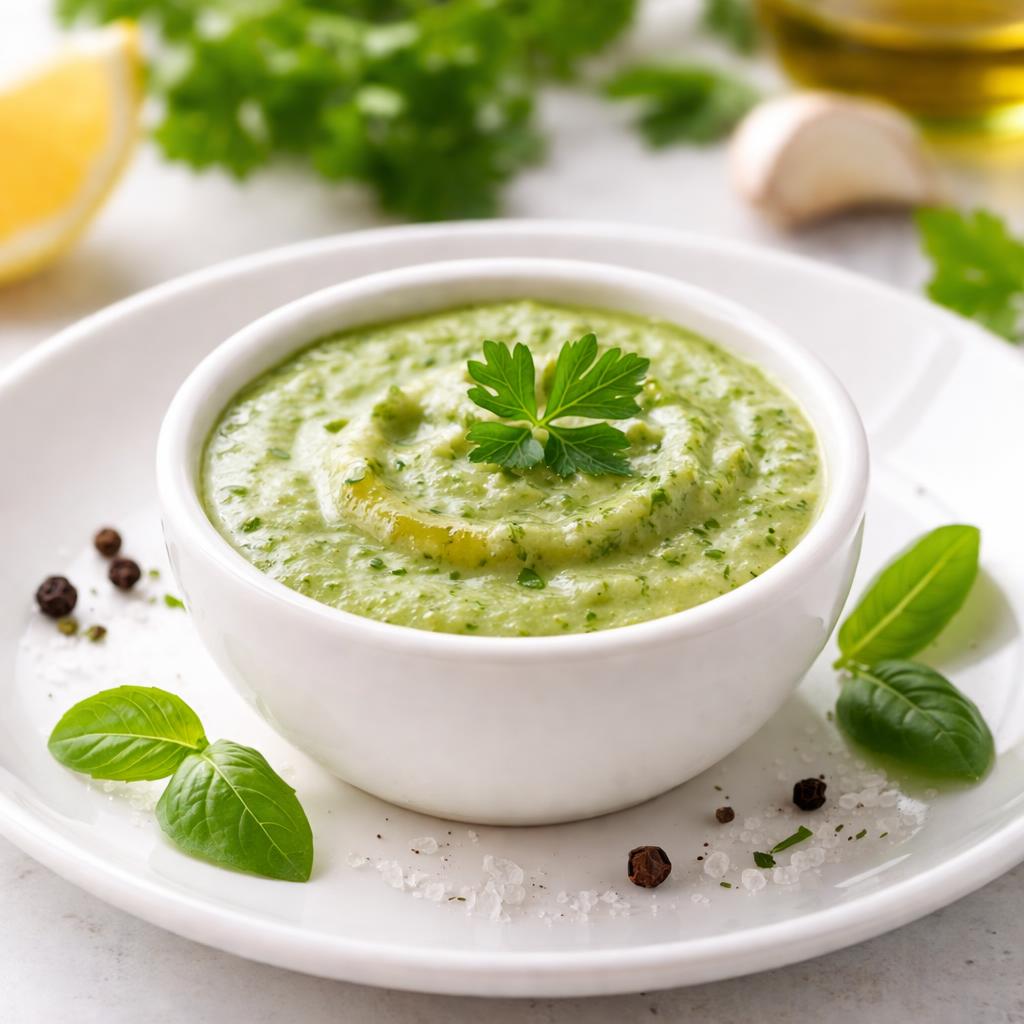
Sauce
🎯 Quick Verdict
Salad generally provides higher protein, fiber, and fewer calories compared to sauce, making it a better choice for weight management and digestion. Sauce, on the other hand, is often richer in flavor and may contain healthy fats and antioxidants, making it ideal for enhancing meals in moderation.

Smart Nutrition Tracking with SnapCalorie

📊 Nutritional Comparison
Macronutrients
| Nutrient | Food 1 | Food 2 | Winner |
|---|---|---|---|
| Calories | 50 | 150 | ✓ |
| Protein | 2g | 0g | ✓ |
| Carbs | 10g | 20g | ✓ |
| Fat | 0.5g | 12g | ✓ |
| Fiber | 3g | 0g | ✓ |
Vitamins & Minerals
| Nutrient | Food 1 | Food 2 | Winner |
|---|---|---|---|
| Vitamin A | 550mcg | 300mcg | ✓ |
| Vitamin C | 10mg | 2mg | ✓ |
| Iron | 1mg | 0.2mg | ✓ |
🏆 Category Winners
Protein
Food1 provides 2 grams of protein per serving, whereas Food2 lacks protein.
Fiber
Food1 contains 3 grams of fiber aiding in digestion, while Food2 has none.
Calories
Food1 has three times fewer calories than Food2.
Vitamins
Food1 is more nutrient-dense in key vitamins such as Vitamin A, Vitamin C, and iron.
🥗 Diet Compatibility
Keto
Food 1: Compatible
Food 2: Compatible
Food1 is lower in carbs, but Food2 is high-fat and suitable for keto diets.
Vegan
Food 1: Compatible
Food 2: Compatible
Both foods are derived from plant-based sources.
Gluten Free
Food 1: Compatible
Food 2: Compatible
Both foods are free of gluten ingredients.
Paleo
Food 1: Compatible
Food 2: Potentially Compatible
Food1 is suitable for paleo diets, but Food2 compatibility depends on specific ingredients like refined oils or sugars.
Low Carb
Food 1: Compatible
Food 2: Partially Compatible
Food1 is low-carb with 10g carbs per serving compared to 20g in Food2.
💪 Health Benefits Comparison
Food 1 Benefits
- Rich in fiber for improved gut health
- Low in calories, supporting weight loss
- High in Vitamin A and C for eye health and immune support
- Provides a variety of antioxidants to combat inflammation
Food 2 Benefits
- Contains healthy fats essential for heart and brain health
- May offer antioxidants depending on ingredients like herbs or spices
- Rich flavor can enhance nutrient absorption when combined with salads or veggies
- Provides energy-dense calories for those with higher energy needs
✅ The Bottom Line
Salad is the optimal choice when focusing on high fiber, protein, and weight management due to its lower calories. Sauce, though higher in calories and fats, can complement meals with enhanced flavor and provide healthy fats in moderation, especially for keto or high-energy diets.
Choose Food 1 for: Weight loss, high-fiber diets, nutrient-dense meals
Choose Food 2 for: Meal enhancement, keto diets, nutrient absorption


