Salad VS Red Wine
A detailed nutritional comparison
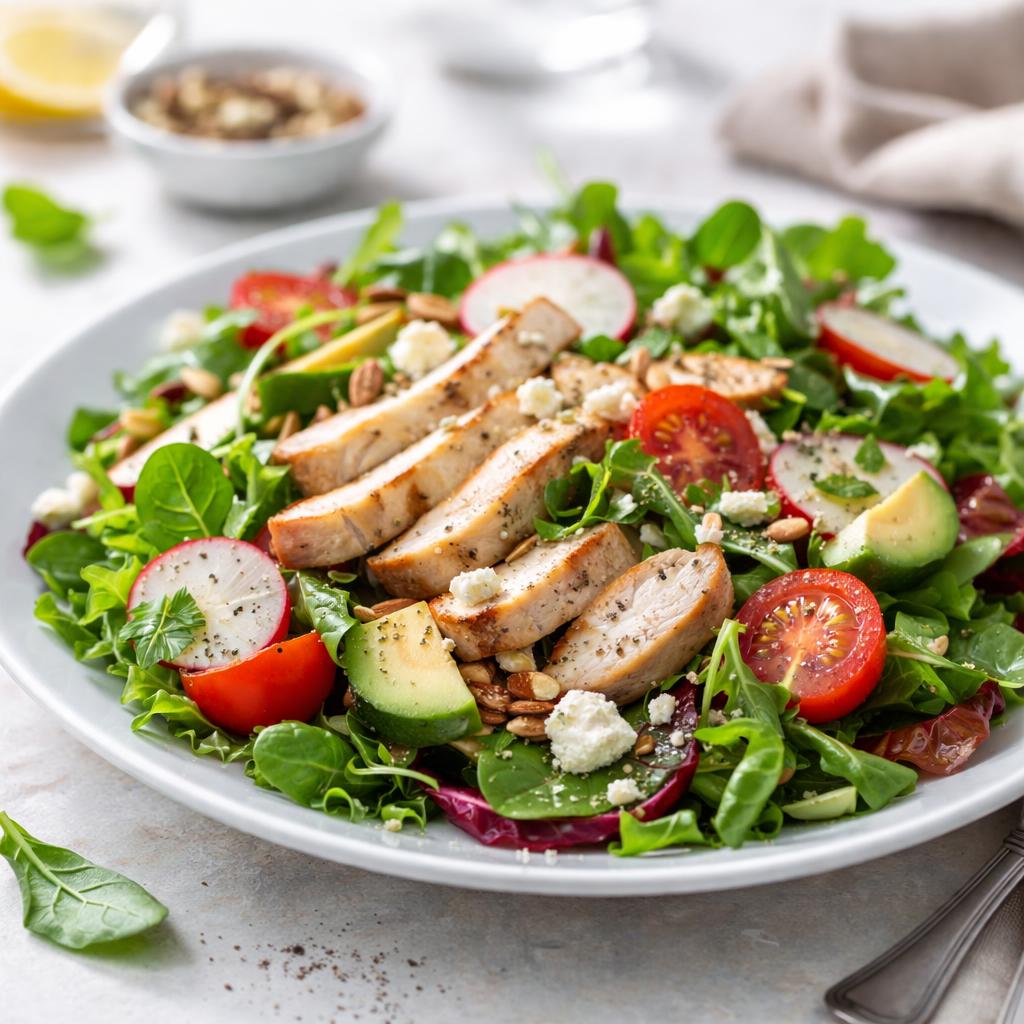
Salad
Red Wine
🎯 Quick Verdict
Salad and red wine serve very different dietary purposes and complement each other rather than competing. Salad is a nutrient-packed food with low calories, a good source of fiber, protein, and vitamins. Red wine, while calorically dense, offers antioxidants and small amounts of essential minerals, but lacks fiber and protein. Choose salad for a healthy meal or snack and red wine in moderation for heart-health benefits or social occasions.

Smart Nutrition Tracking with SnapCalorie

📊 Nutritional Comparison
Macronutrients
| Nutrient | Food 1 | Food 2 | Winner |
|---|---|---|---|
| Calories | 50 | 125 | ✓ |
| Protein | 2g | 0g | ✓ |
| Carbs | 10g | 4g | ✓ |
| Fat | 0.5g | 0g | ✓ |
| Fiber | 4g | 0g | ✓ |
Vitamins & Minerals
| Nutrient | Food 1 | Food 2 | Winner |
|---|---|---|---|
| Vitamin C | 15mg | 0mg | ✓ |
| Iron | 0.8mg | 0.2mg | ✓ |
| Potassium | 230mg | 190mg | ✓ |
🏆 Category Winners
Protein
Salad provides 2g of protein per serving, while red wine contains none.
Fiber
Salad is fiber-rich, providing 4g per serving, compared to none in red wine.
Calories
Salad has much fewer calories (50 per serving) versus 125 in red wine.
Vitamins
Food1 contains significantly higher vitamin C and mineral levels than food2.
🥗 Diet Compatibility
Keto
Food 1: Compatible
Food 2: Compatible
Both foods can fit within a ketogenic diet at appropriate quantities.
Vegan
Food 1: Compatible
Food 2: Compatible
Both salad and red wine are plant-based, making them vegan-friendly.
Gluten Free
Food 1: Compatible
Food 2: Compatible
Neither food typically contains gluten.
Paleo
Food 1: Compatible
Food 2: Not Compatible
Salad complies with paleo diets; red wine is excluded due to alcohol content.
Low Carb
Food 1: Compatible
Food 2: Compatible
Both foods are relatively low-carb but must be consumed within limits.
💪 Health Benefits Comparison
Food 1 Benefits
- High in fiber for digestive health
- Rich source of vitamins C and K for immune support and blood clotting
- Low calorie per serving for weight management
Food 2 Benefits
- Contains resveratrol, an antioxidant linked to heart health
- May improve cholesterol profiles in moderation
- Supports relaxation and social bonding in responsible quantities
✅ The Bottom Line
Salad is the superior food choice for general nutrition, providing low calories and essential nutrients. Red wine can be enjoyed in moderation for its antioxidant content and potential heart health benefits. Salad is best for everyday healthy-eating goals, while red wine works as an occasional indulgence or social drink.
Choose Food 1 for: Weight management, daily nutrition, digestive health
Choose Food 2 for: Heart health, antioxidants, relaxation and social occasions


