Salad VS Red Bell Pepper
A detailed nutritional comparison
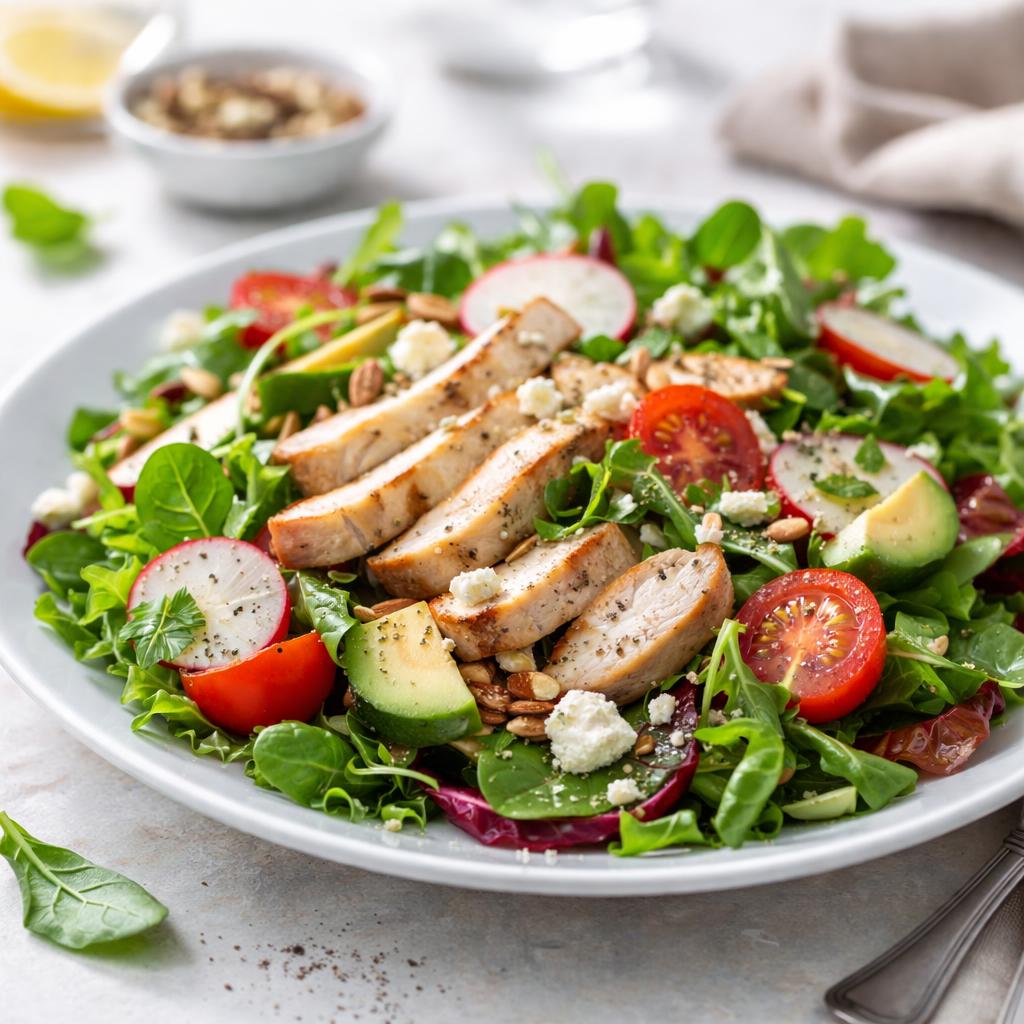
Salad
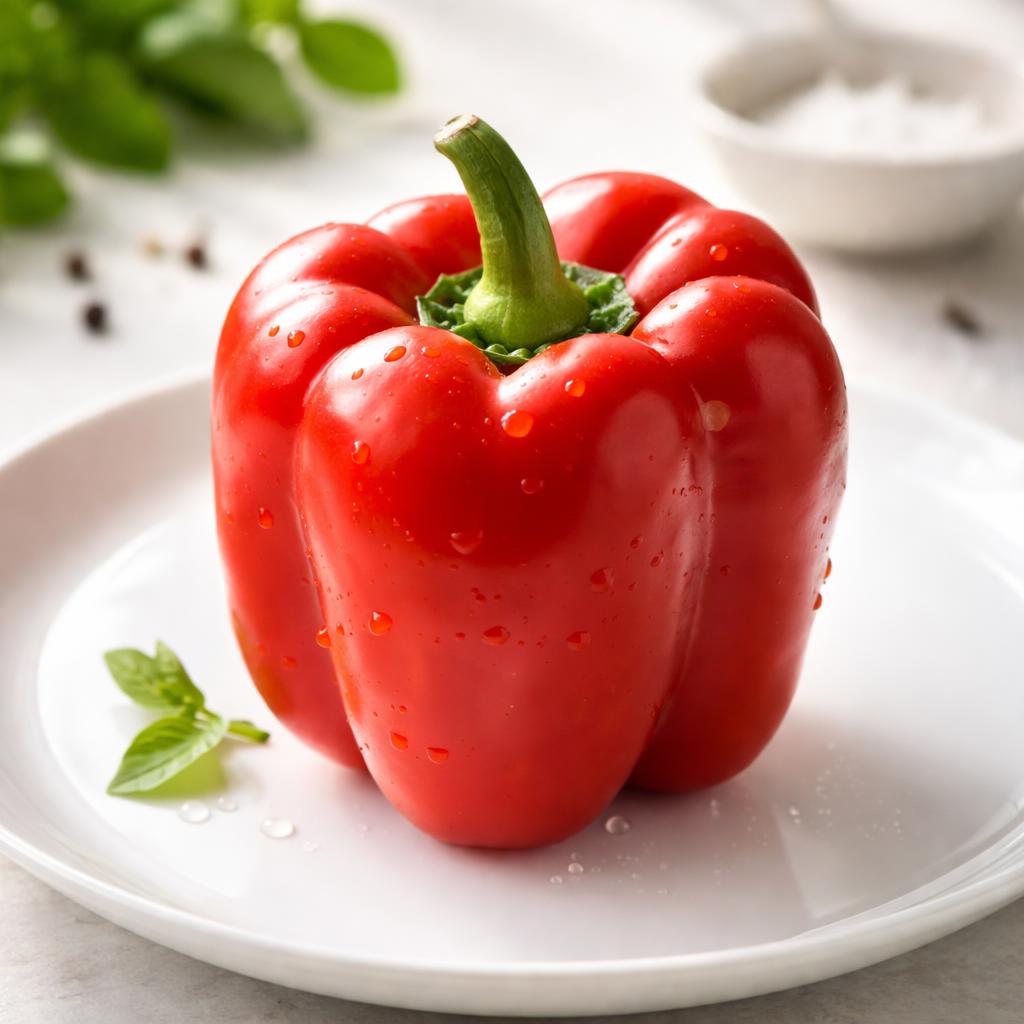
Red Bell Pepper
🎯 Quick Verdict
Salad and red bell pepper are nutrient-dense, low-calorie options with slight differences. Salad is higher in protein (2.5g vs 1g per serving) and fiber (2.2g vs 1g), making it better for digestion and satiety. Red bell pepper shines with higher vitamin C (152mg vs 5mg) and fewer calories (31 vs 50 per serving). Both are excellent choices for a healthy diet but cater to slightly different needs.

Smart Nutrition Tracking with SnapCalorie

📊 Nutritional Comparison
Macronutrients
| Nutrient | Food 1 | Food 2 | Winner |
|---|---|---|---|
| Calories | 50 | 31 | ✓ |
| Protein | 2.5g | 1g | ✓ |
| Carbs | 9g | 7g | ✓ |
| Fat | 0.5g | 0.4g | − |
| Fiber | 2.2g | 1g | ✓ |
Vitamins & Minerals
| Nutrient | Food 1 | Food 2 | Winner |
|---|---|---|---|
| Vitamin A | 1000IU | 4670IU | ✓ |
| Vitamin C | 5mg | 152mg | ✓ |
| Iron | 0.5mg | 0.4mg | ✓ |
🏆 Category Winners
Protein
Salad has over 2x the protein per serving compared to red bell pepper.
Fiber
Salad contains 2.2g fiber vs 1g in red bell pepper.
Calories
Red bell pepper is lower in calories (31 vs 50).
Vitamins
Red bell pepper significantly exceeds salad in vitamin A and C content.
🥗 Diet Compatibility
Keto
Food 1: Not Compatible
Food 2: Not Compatible
Both contain over 5g of carbs per serving and don't fit strict keto macros.
Vegan
Food 1: Compatible
Food 2: Compatible
Both are plant-based foods.
Gluten Free
Food 1: Compatible
Food 2: Compatible
Neither contains gluten.
Paleo
Food 1: Compatible
Food 2: Compatible
Both align with paleo diet principles.
Low Carb
Food 1: Not Compatible
Food 2: Compatible
Red bell pepper is lower-carb (7g vs 9g in salad).
💪 Health Benefits Comparison
Food 1 Benefits
- High in fiber, promoting digestion and satiety.
- Contains moderate protein for muscle maintenance.
- Provides trace minerals and hydration due to high water content.
Food 2 Benefits
- Exceptionally high in vitamin C for immune support.
- Rich in antioxidants like beta carotene for eye and skin health.
- Low in calories, great for weight management.
✅ The Bottom Line
Choose salad when you need more fiber and protein or a filling, hearty base for meals. Opt for red bell pepper when focusing on vitamin C intake, fewer calories, or antioxidant-rich snacks. Both are versatile additions to a healthy diet.
Choose Food 1 for: Fiber-rich meals, plant-based proteins, filling salads
Choose Food 2 for: Low-calorie snacks, vitamin C boost, antioxidant-rich options


