Salad VS Ranch
A detailed nutritional comparison
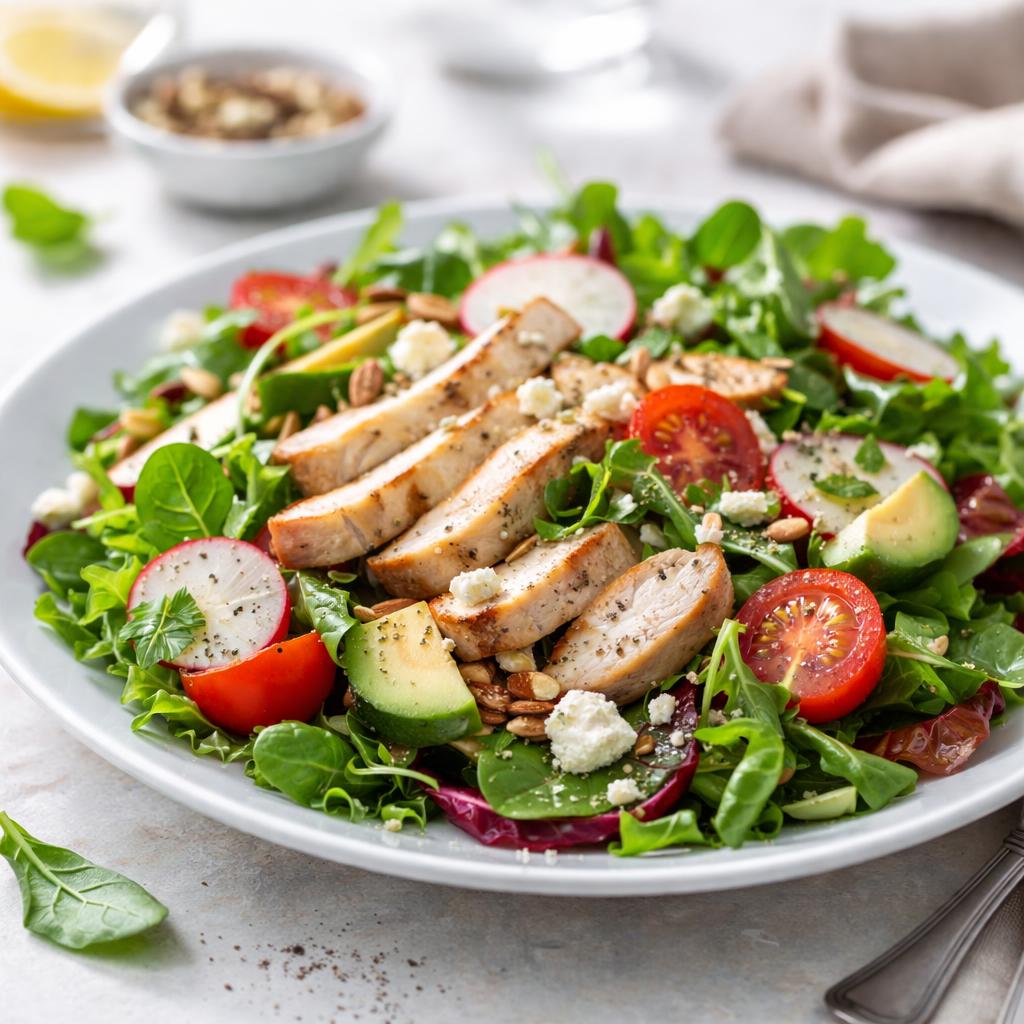
Salad
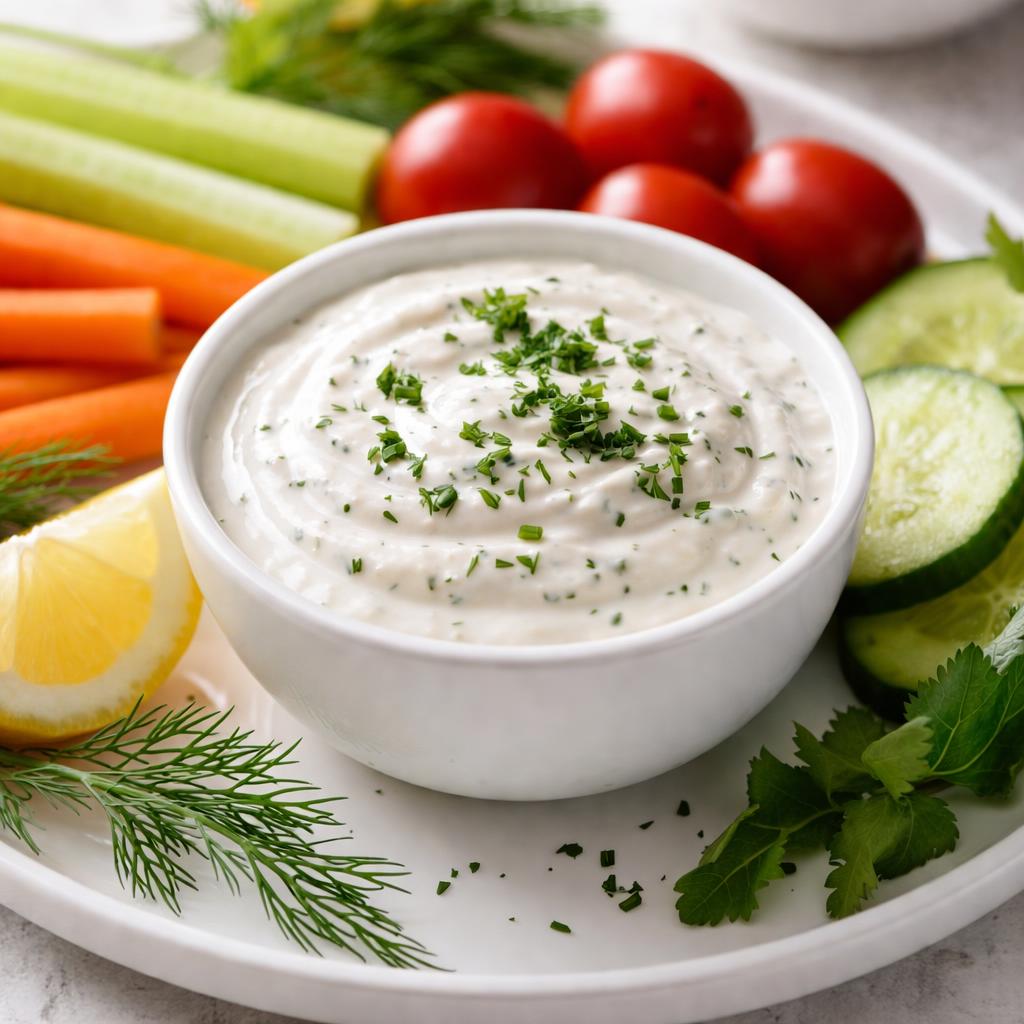
Ranch
🎯 Quick Verdict
Salad provides significantly more fiber and fewer calories compared to ranch, making it the healthier choice in most cases. Ranch dressing, however, offers fats and certain vitamins, which might complement a balanced diet when used in moderation. Choose salad for weight management and nutrient density or ranch for flavor enhancement and some added fats and vitamins.

Smart Nutrition Tracking with SnapCalorie

📊 Nutritional Comparison
Macronutrients
| Nutrient | Food 1 | Food 2 | Winner |
|---|---|---|---|
| Calories | 35 | 145 (per 2 tbsp) | ✓ |
| Protein | 2g | 2g | − |
| Carbs | 5g | 1g | ✓ |
| Fat | 0g | 14g | ✓ |
| Fiber | 3g | 0g | ✓ |
Vitamins & Minerals
| Nutrient | Food 1 | Food 2 | Winner |
|---|---|---|---|
| Vitamin A | 120mcg | 20mcg | ✓ |
| Vitamin C | 9mg | 0mg | ✓ |
| Calcium | 30mg | 40mg | ✓ |
| Iron | 0.7mg | 0mg | ✓ |
🏆 Category Winners
Protein
Both salad and ranch contain 2g of protein per serving.
Fiber
Salad is rich in fiber with 3g per serving, while ranch contains none.
Calories
Salad is very low-calorie at 35 calories per serving, compared to ranch's 145 calories.
Vitamins
Salad contains key vitamins like Vitamin A and Vitamin C, which ranch lacks.
🥗 Diet Compatibility
Keto
Food 1: Compatible
Food 2: Compatible
Both are low-carb options, but ranch is higher in fat, which aligns with keto principles.
Vegan
Food 1: Compatible
Food 2: Not Compatible
Salad is plant-based, while ranch typically contains dairy products.
Gluten Free
Food 1: Compatible
Food 2: Compatible
Neither contains gluten.
Paleo
Food 1: Compatible
Food 2: Not Compatible
Most ranch dressings are processed and contain non-paleo ingredients, while salad is unprocessed and natural.
Low-Carb
Food 1: Compatible
Food 2: Compatible
Both are low in carbs (salad with 5g and ranch with 1g per serving).
💪 Health Benefits Comparison
Food 1 Benefits
- High in fiber to support digestion
- Rich in Vitamin C for immune health
- Low in calories, making it ideal for weight management
- Contains antioxidants through fresh vegetables
Food 2 Benefits
- Provides healthy fats for brain and heart health
- Enhances flavor, helping increase vegetable intake
- Source of calcium for bone health
- Offers some Vitamin D if fortified
✅ The Bottom Line
Salad is the healthier choice for nutrient density, weight management, and fiber. Ranch is better for adding flavor and fats, but should be used in moderation due to its higher calorie and fat content.
Choose Food 1 for: Weight loss, high-fiber diets, plant-based meals
Choose Food 2 for: Flavor enhancement, keto diets, boosting fat intake


