Salad VS Protein
A detailed nutritional comparison
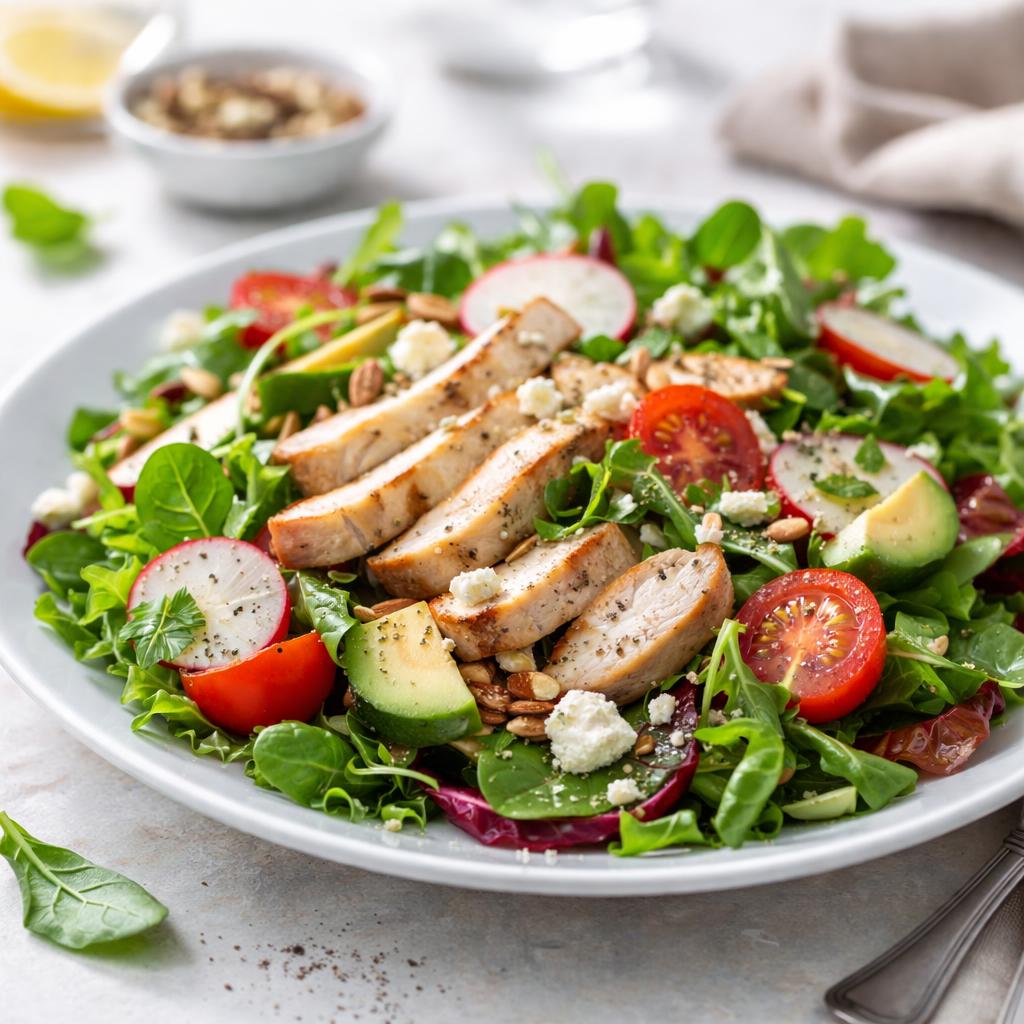
Salad

Protein
🎯 Quick Verdict
The comparison between salad and a protein-rich food like chicken or tofu highlights their complementary nutritional profiles. Salad is lower in calories and higher in fiber, making it excellent for digestion and weight management. Protein-packed foods provide significantly more protein for muscle repair and growth, ideal for active lifestyles or post-workout nutrition. Combining them can offer a balanced meal option with diverse nutrients.

Smart Nutrition Tracking with SnapCalorie

📊 Nutritional Comparison
Macronutrients
| Nutrient | Food 1 | Food 2 | Winner |
|---|---|---|---|
| Calories | 50 | 200 | ✓ |
| Protein | 2g | 25g | ✓ |
| Carbs | 10g | 1g | ✓ |
| Fat | 0.5g | 10g | ✓ |
| Fiber | 3g | 0g | ✓ |
Vitamins & Minerals
| Nutrient | Food 1 | Food 2 | Winner |
|---|---|---|---|
| Vitamin A | 150mcg | 20mcg | ✓ |
| Vitamin C | 10mg | 1mg | ✓ |
| Iron | 0.5mg | 1.5mg | ✓ |
🏆 Category Winners
Protein
Food2 has 12x more protein per serving.
Fiber
Food1 provides 3g of fiber compared to 0g in Food2, supporting digestion and satiety.
Calories
Food1 is lower in calories, making it ideal for weight loss and low-calorie diets.
Vitamins
Food1 offers more Vitamin A and Vitamin C, key antioxidants for skin and immune health.
🥗 Diet Compatibility
Keto
Food 1: Compatible
Food 2: Compatible
Both foods are low in carbs.
Vegan
Food 1: Compatible
Food 2: Depends
Food1 is plant-based, while Food2 (depending on type like tofu or animal protein) may or may not be vegan.
Gluten Free
Food 1: Compatible
Food 2: Compatible
Both foods are naturally gluten-free.
Paleo
Food 1: Compatible
Food 2: Compatible
Salad and most protein sources fit within paleo guidelines.
Low-Carb
Food 1: Compatible
Food 2: Compatible
Both are low in carbohydrates, suitable for low-carb diets.
💪 Health Benefits Comparison
Food 1 Benefits
- High in fiber, supporting digestion and gut health
- Rich in Vitamin A and C, boosting immunity and skin health
- Low in calories, ideal for weight management
Food 2 Benefits
- Excellent source of protein for muscle growth and repair
- Provides iron to support healthy blood production
- Contains essential amino acids crucial for overall health
✅ The Bottom Line
Both salad and protein-rich foods serve distinct purposes in a balanced diet. Choose salad for low-calorie, high-fiber meals that are nutrient-dense. Opt for protein when aiming for muscle growth or recovery after workouts. Pairing them creates a wholesome meal supporting diverse dietary goals.
Choose Food 1 for: Weight loss, digestion improvement, light meals or snacks
Choose Food 2 for: Muscle growth, post-workout recovery, high-protein diets


