Salad VS Potato Wedges
A detailed nutritional comparison
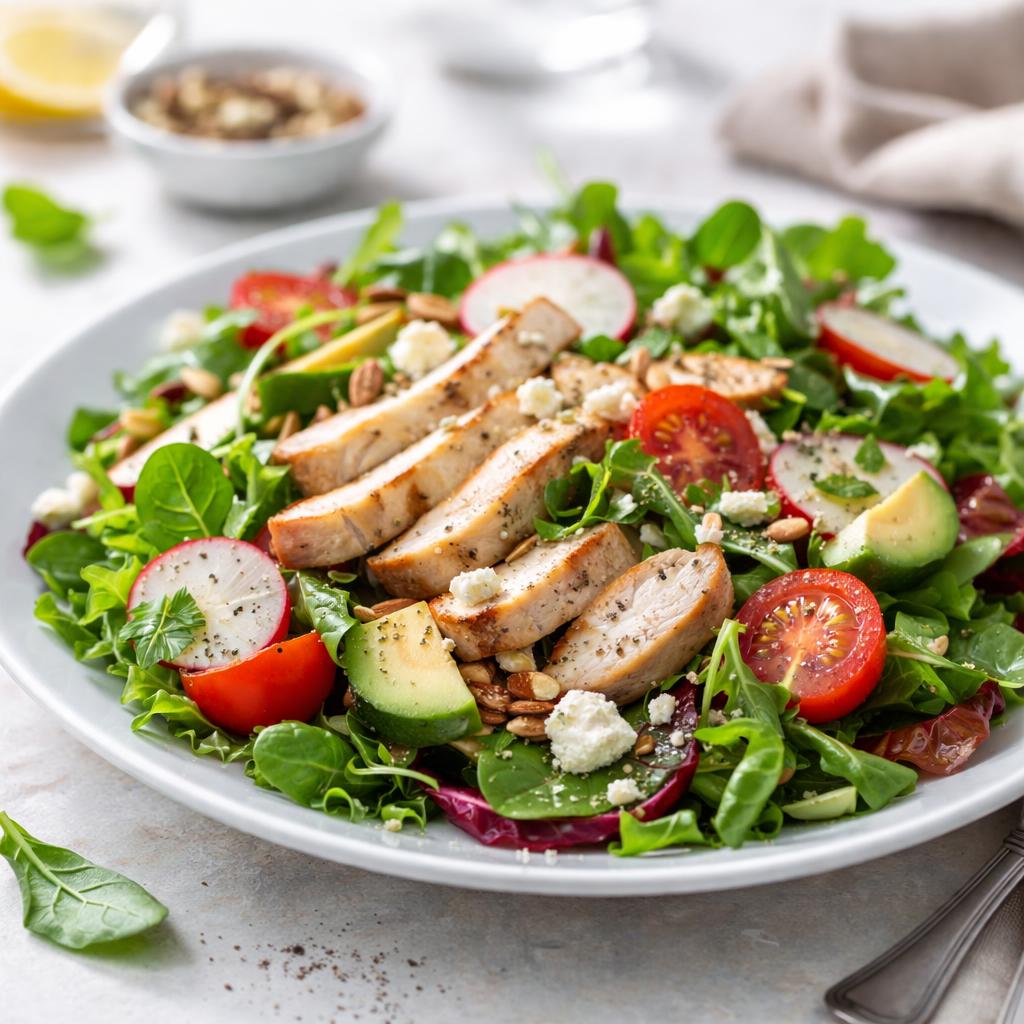
Salad
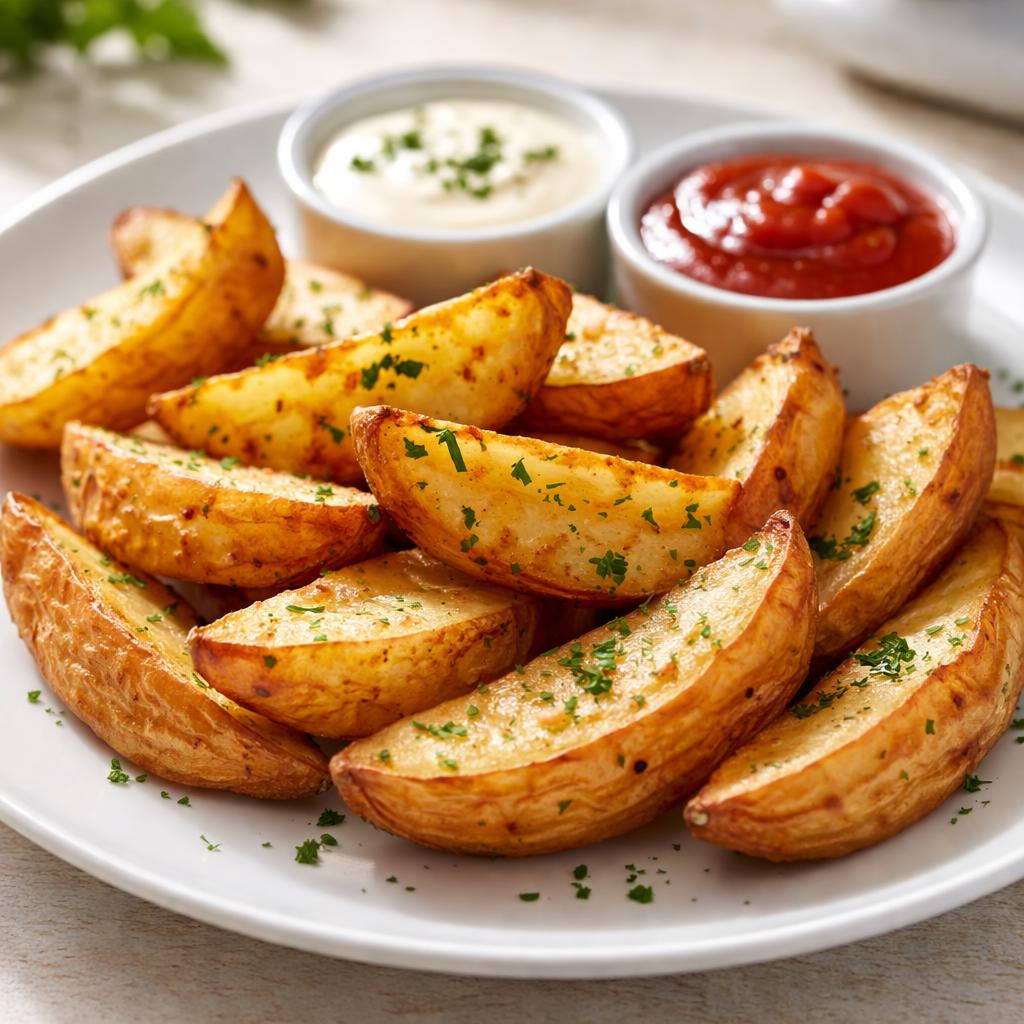
Potato Wedges
🎯 Quick Verdict
Salad has fewer calories and more fiber, making it excellent for weight management and digestion support. Potato wedges provide more protein and energy due to their higher carbohydrate content, making them better for energy-demanding activities or meals. Both have their strengths depending on dietary needs.

Smart Nutrition Tracking with SnapCalorie

📊 Nutritional Comparison
Macronutrients
| Nutrient | Food 1 | Food 2 | Winner |
|---|---|---|---|
| Calories | 100 | 200 | ✓ |
| Protein | 2g | 4g | ✓ |
| Carbs | 10g | 30g | ✓ |
| Fat | 2g | 8g | ✓ |
| Fiber | 4g | 2g | ✓ |
Vitamins & Minerals
| Nutrient | Food 1 | Food 2 | Winner |
|---|---|---|---|
| Vitamin C | 15mg | 10mg | ✓ |
| Vitamin A | 350mcg | 0mcg | ✓ |
| Iron | 1mg | 1.5mg | ✓ |
| Potassium | 300mg | 500mg | ✓ |
🏆 Category Winners
Protein
Potato wedges contain double the protein compared to salad.
Fiber
Salad has twice as much fiber per serving.
Calories
Salad contains 50% fewer calories per serving.
Vitamins
Salad is richer in vitamins C and A.
🥗 Diet Compatibility
Keto
Food 1: Compatible
Food 2: Not Compatible
Salad is naturally low in carbs, while potato wedges are high in carbohydrates.
Vegan
Food 1: Compatible
Food 2: Compatible
Both foods are plant-based.
Gluten Free
Food 1: Compatible
Food 2: Compatible
Neither food contains gluten inherently.
Paleo
Food 1: Compatible
Food 2: Not Compatible
Salad is paleo-friendly, but potato wedges, if prepared with refined oils or additives, may not be.
Low Carb
Food 1: Compatible
Food 2: Not Compatible
Salad is a low-carb option compared to carb-heavy potato wedges.
💪 Health Benefits Comparison
Food 1 Benefits
- Rich in fiber for optimal digestion
- Low in calories, great for weight management
- High in vitamin A for eye health
- Provides vitamin C to boost immunity
Food 2 Benefits
- Higher in protein for muscle support
- Good source of potassium to aid muscle function
- Contains carbohydrates for energy replenishment
- Iron to support healthy blood oxygen levels
✅ The Bottom Line
Salad is ideal for weight-conscious individuals or anyone seeking a high-vitamin, fiber-rich option. Potato wedges work better for energy-demanding scenarios or active individuals needing more protein and replenishment. Both play distinct roles in balanced diets.
Choose Food 1 for: Weight loss, digestive health, low-calorie diets
Choose Food 2 for: Post-workout energy replenishment, muscle support, bulk calories


