Salad VS Potato Salad
A detailed nutritional comparison
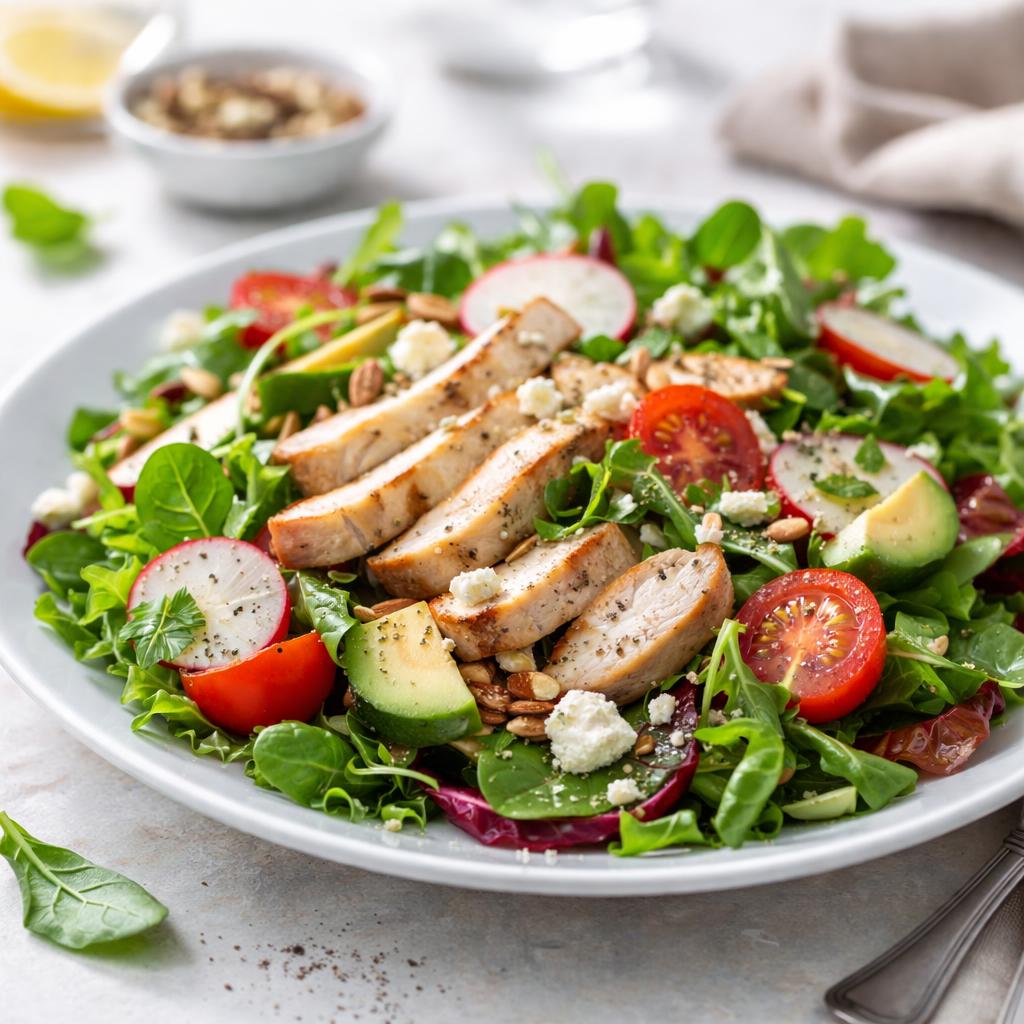
Salad
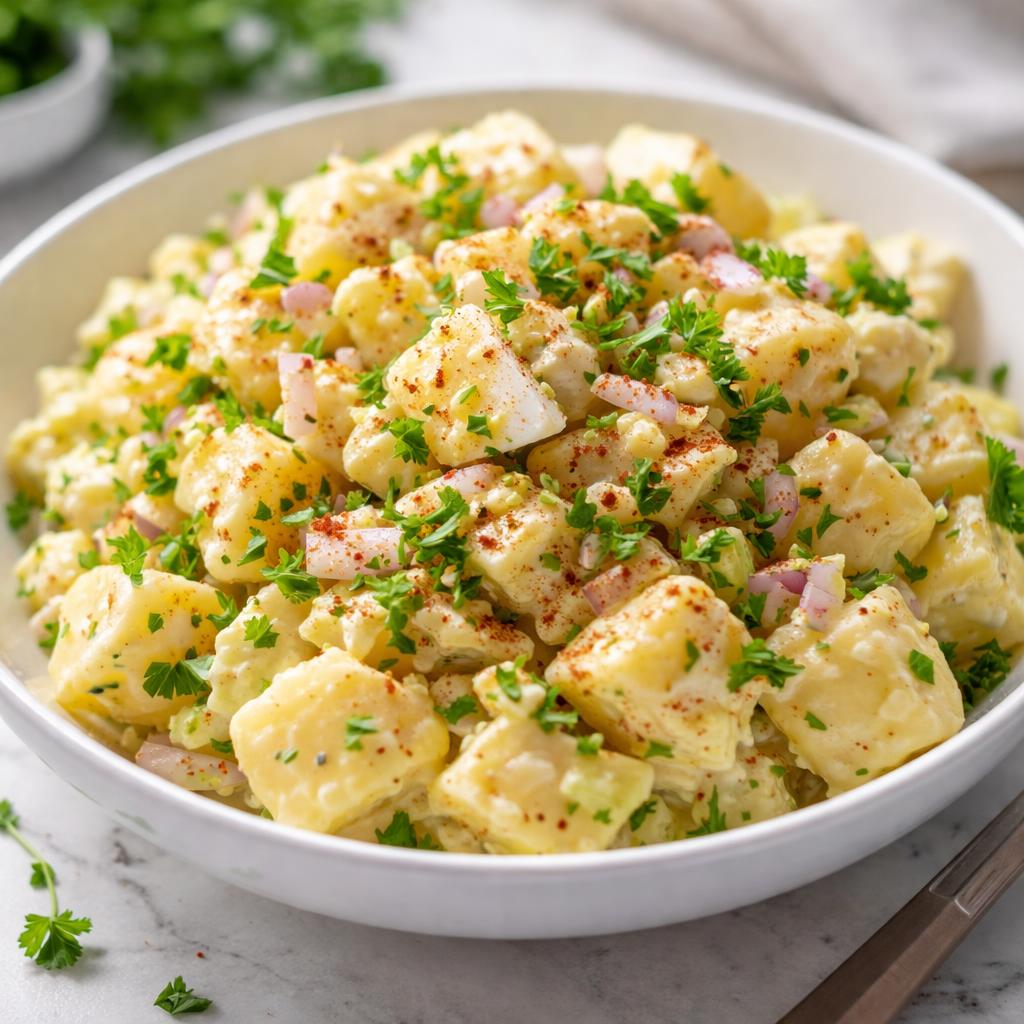
Potato Salad
🎯 Quick Verdict
Salad is overall lighter, lower in calories, and higher in fiber, making it ideal for weight management and digestion. Potato salad provides more carbs and fats from the mayonnaise, which can offer sustained energy but is less suitable for low-calorie diets. Choose salad for a lean and nutrient-dense meal or potato salad for richer flavor and energy needs.

Smart Nutrition Tracking with SnapCalorie

📊 Nutritional Comparison
Macronutrients
| Nutrient | Food 1 | Food 2 | Winner |
|---|---|---|---|
| Calories | 50 | 200 | ✓ |
| Protein | 3g | 3g | − |
| Carbs | 8g | 26g | ✓ |
| Fat | 0.5g | 12g | ✓ |
| Fiber | 2g | 1g | ✓ |
Vitamins & Minerals
| Nutrient | Food 1 | Food 2 | Winner |
|---|---|---|---|
| Vitamin A | 500IU | 50IU | ✓ |
| Vitamin C | 20mg | 7mg | ✓ |
| Potassium | 200mg | 400mg | ✓ |
🏆 Category Winners
Protein
Both provide similar protein amounts, approximately 3g per serving.
Fiber
Salad contains 2g of fiber, which is double the amount in potato salad.
Calories
Food1 has 75% fewer calories compared to potato salad.
Vitamins
Salad provides significantly higher levels of Vitamin A and Vitamin C.
🥗 Diet Compatibility
Keto
Food 1: Compatible
Food 2: Not Compatible
Food1 is low-carb, while potato salad contains high-carb potatoes.
Vegan
Food 1: Compatible
Food 2: Not Compatible
Potato salad often contains mayonnaise derived from eggs.
Gluten Free
Food 1: Compatible
Food 2: Compatible
Both are naturally gluten-free unless processed ingredients are added.
Paleo
Food 1: Compatible
Food 2: Not Compatible
Potato salad contains mayonnaise, which is typically not Paleo-friendly.
Low-Carb
Food 1: Compatible
Food 2: Not Compatible
Potato salad has a higher carb content, while salad remains low-carb.
💪 Health Benefits Comparison
Food 1 Benefits
- Low-calorie for weight management
- High in fiber for digestive health
- Rich in Vitamins A and C for immune support
Food 2 Benefits
- Good source of potassium for heart and muscle function
- Provides fats for sustained energy
- May contain antioxidants depending on ingredients such as herbs or spices
✅ The Bottom Line
Salad is the healthier choice for those seeking weight loss, low-calorie, or low-carb options. Potato salad, though heavier, provides more energy for active individuals or those looking for a richer side dish. Choose salad for light meals or energy-conscious diets and potato salad for flavorful occasions or as an energy-boosting side.
Choose Food 1 for: Weight loss, digestion, vitamin boost
Choose Food 2 for: Energy needs, hearty and flavorful meals


