Salad VS Popcorn
A detailed nutritional comparison
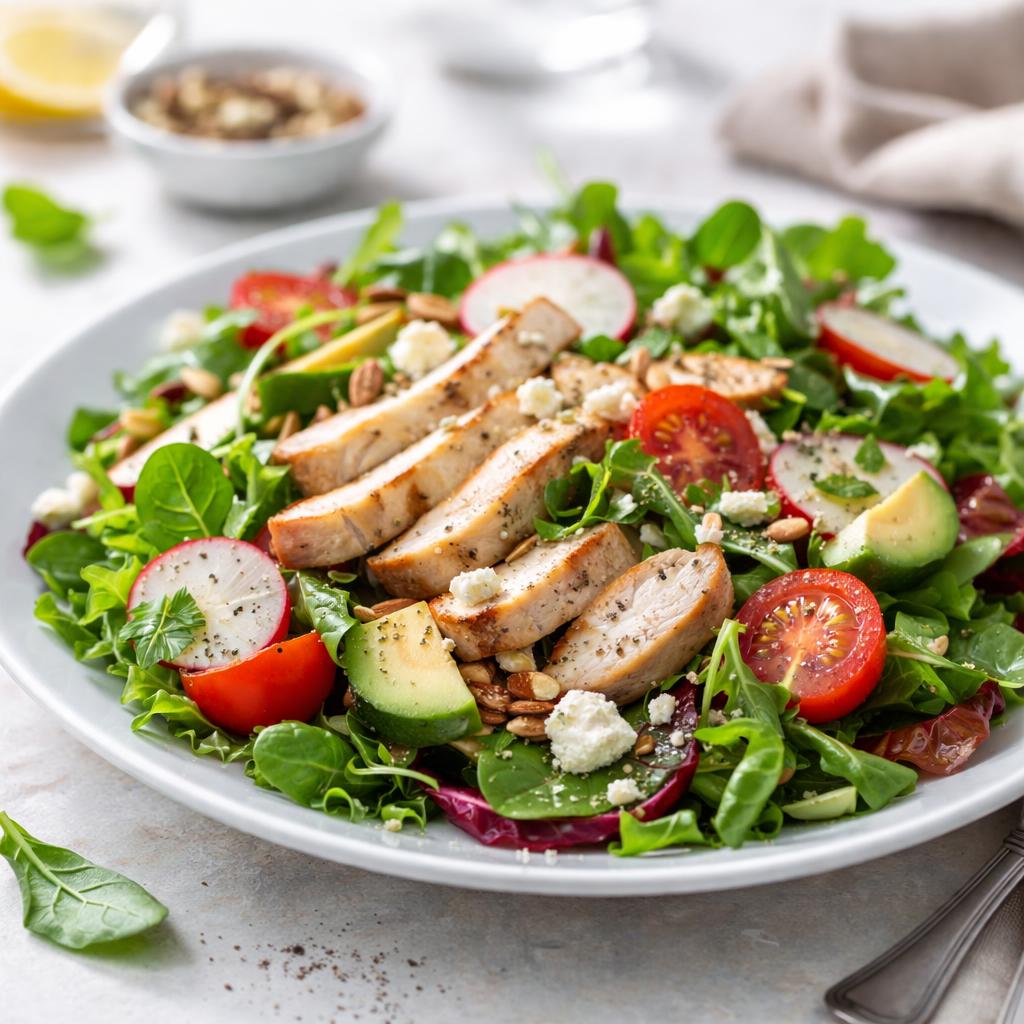
Salad
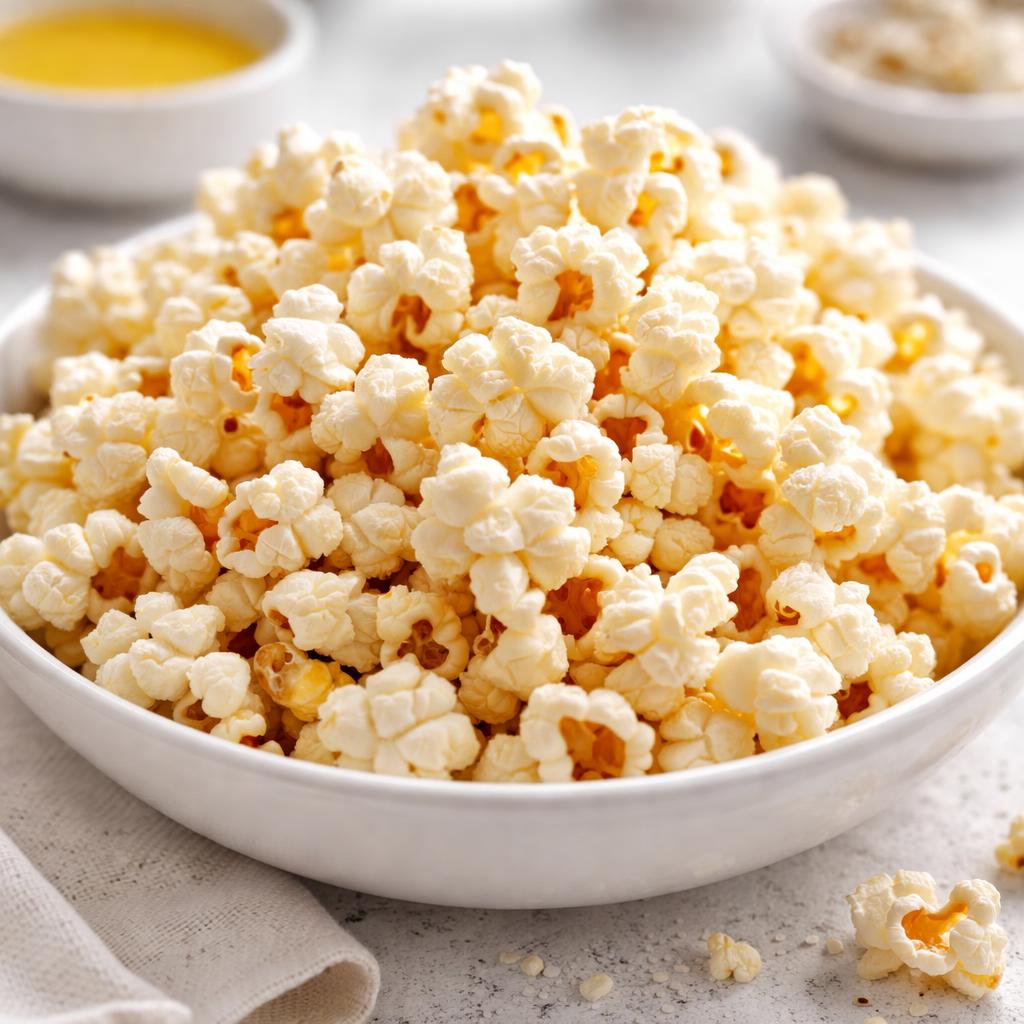
Popcorn
🎯 Quick Verdict
Salad is lower in calories and provides slightly more protein, making it ideal for lighter meals or weight management. Popcorn, on the other hand, is higher in fiber and carbohydrates, making it a great choice for energy and digestive health. Both are healthy and versatile in different scenarios.

Smart Nutrition Tracking with SnapCalorie

📊 Nutritional Comparison
Macronutrients
| Nutrient | Food 1 | Food 2 | Winner |
|---|---|---|---|
| Calories | 35 | 110 | ✓ |
| Protein | 2.5g | 2g | ✓ |
| Carbs | 5g | 22g | ✓ |
| Fat | 0.5g | 1g | ✓ |
| Fiber | 1.5g | 4g | ✓ |
Vitamins & Minerals
| Nutrient | Food 1 | Food 2 | Winner |
|---|---|---|---|
| Vitamin C | 10mg | 0mg | ✓ |
| Vitamin A | 2000IU | 0IU | ✓ |
| Iron | 0.5mg | 0.9mg | ✓ |
🏆 Category Winners
Protein
Salad has marginally higher protein (2.5g vs 2g).
Fiber
Popcorn contains over double the fiber content (4g vs 1.5g).
Calories
Salad has significantly fewer calories (35 vs 110 per serving).
🥗 Diet Compatibility
Keto
Food 1: Not Compatible
Food 2: Not Compatible
Both have moderate carb content unsuitable for a strict keto diet.
Vegan
Food 1: Compatible
Food 2: Compatible
Both are plant-based foods.
Gluten Free
Food 1: Compatible
Food 2: Compatible
Neither food contains gluten.
Paleo
Food 1: Compatible
Food 2: Not Compatible
Salad fits paleo dietary guidelines, while popcorn does not due to being a processed grain.
Low-Carb
Food 1: Compatible
Food 2: Not Compatible
Salad is low-carb with only 5g per serving, whereas popcorn contains 22g carbohydrates per serving.
💪 Health Benefits Comparison
Food 1 Benefits
- Low-calorie, great for weight management
- Rich in vitamin C for immune health
- Provides hydration and key micronutrients
Food 2 Benefits
- High fiber promotes healthy digestion
- Energy-dense snack for sustained energy
- Contains beneficial antioxidants like polyphenols
✅ The Bottom Line
Choose salad for a low-calorie, nutrient-dense option with more protein and vitamins, ideal for weight management or refreshing meals. Opt for popcorn when you need a quick, fiber-rich snack to boost energy and support digestive health.
Choose Food 1 for: Low-calorie diets, refreshing meals, hydration
Choose Food 2 for: Digestive health, energy boosts, snacking


