Salad VS Persimmon
A detailed nutritional comparison
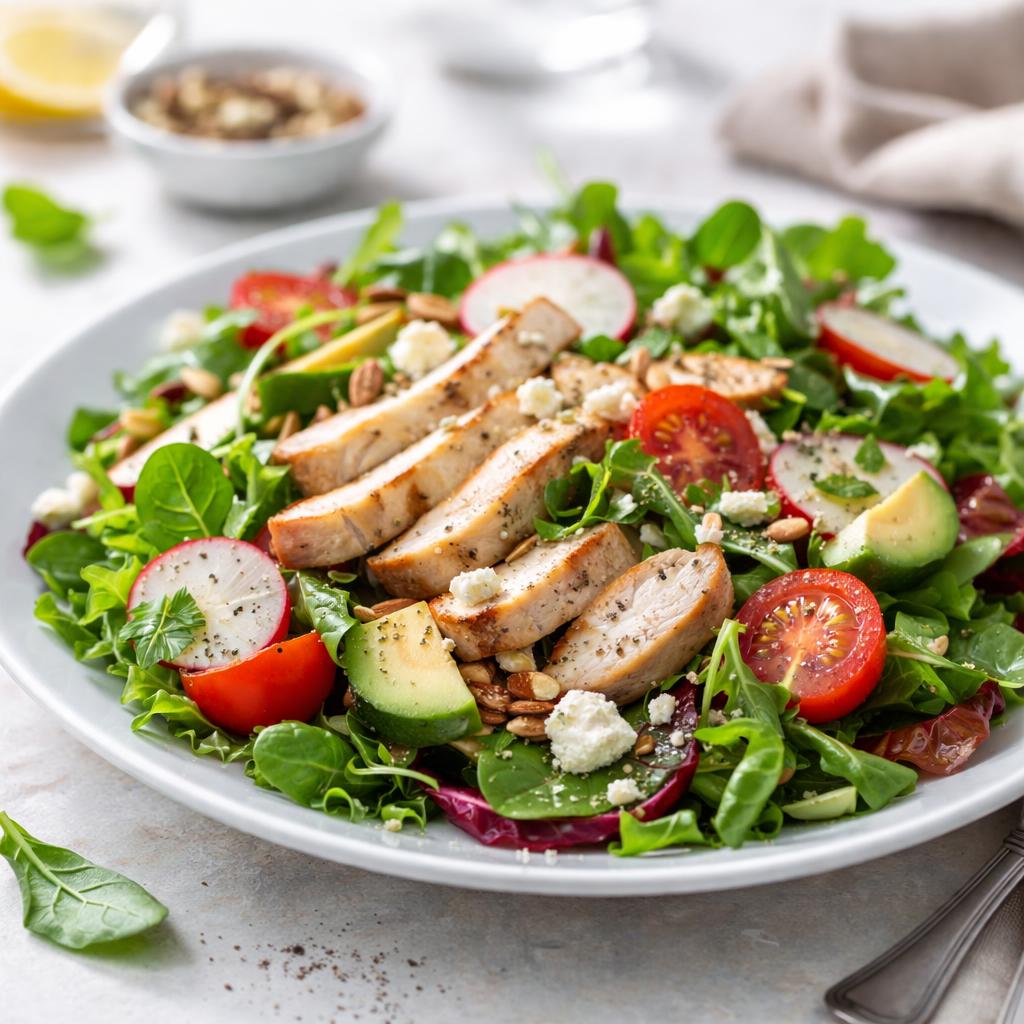
Salad
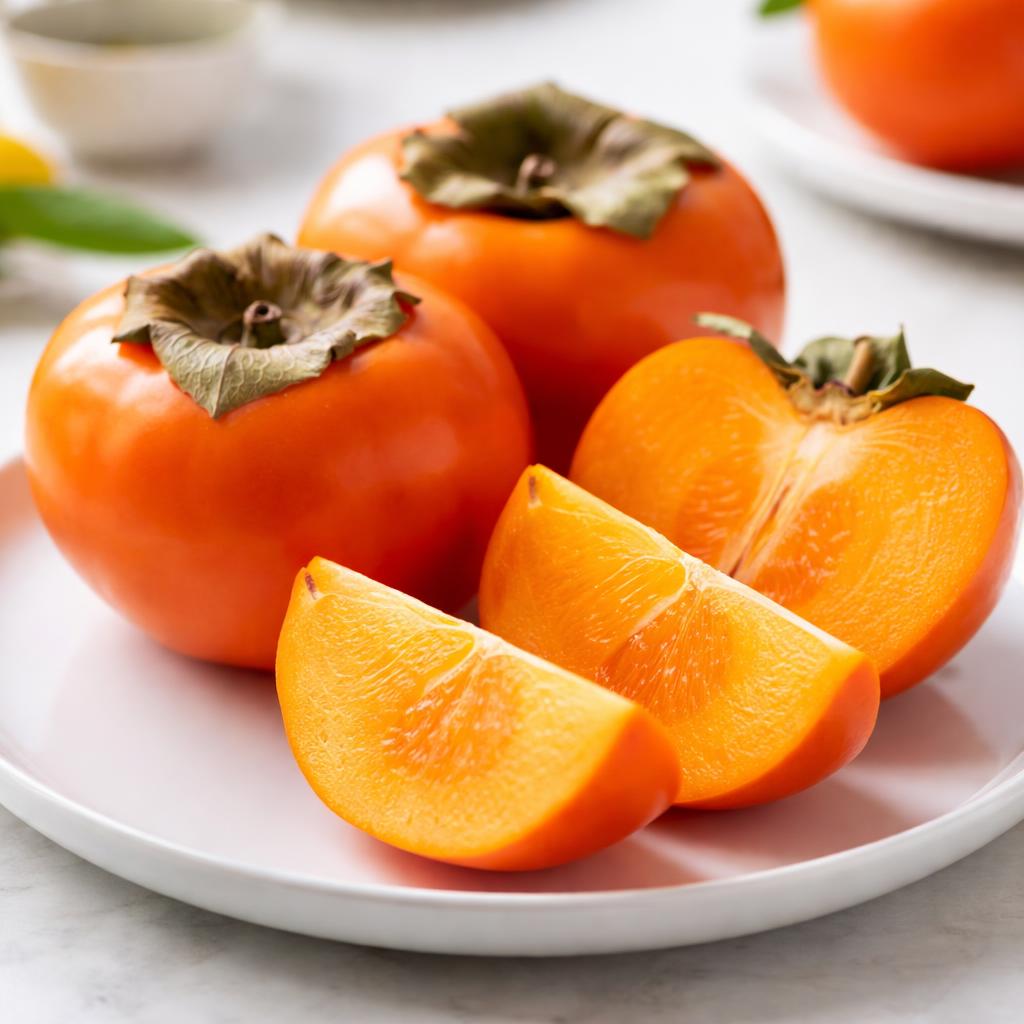
Persimmon
🎯 Quick Verdict
Salad is lower in calories, higher in protein, and contains more fiber, making it ideal for weight management and digestion. Persimmons are richer in natural sugars, providing sustained energy, and they offer higher amounts of vitamins like vitamin A and potassium, beneficial for skin health and heart health. Salad is a versatile base for meals, while persimmons are a nutrient-dense snack or dessert option.

Smart Nutrition Tracking with SnapCalorie

📊 Nutritional Comparison
Macronutrients
| Nutrient | Food 1 | Food 2 | Winner |
|---|---|---|---|
| Calories | 50 | 70 | − |
| Protein | 2g | 0.6g | − |
| Carbs | 11g | 18g | − |
| Fat | 0.5g | 0.2g | − |
| Fiber | 3g | 2.5g | − |
Vitamins & Minerals
| Nutrient | Food 1 | Food 2 | Winner |
|---|---|---|---|
| Vitamin A | 200 IU | 1380 IU | − |
| Vitamin C | 10mg | 16mg | − |
| Potassium | 150mg | 270mg | − |
| Calcium | 30mg | 20mg | − |
🏆 Category Winners
Protein
Salad contains 3.3 times more protein compared to persimmon.
Fiber
Salad has slightly more fiber and aids digestion better.
Calories
Salad is lower in calories by approximately 28%.
Vitamins
Persimmon is packed with vitamin A, C, and potassium, which are higher than salad.
🥗 Diet Compatibility
Keto
Food 1: Not Compatible
Food 2: Not Compatible
Both are relatively high in carbohydrates.
Vegan
Food 1: Compatible
Food 2: Compatible
Both foods are plant-based.
Gluten Free
Food 1: Compatible
Food 2: Compatible
Neither food contains gluten.
Paleo
Food 1: Compatible
Food 2: Compatible
Both foods are whole, unprocessed foods allowed on paleo diets.
Low-Carb
Food 1: Not Compatible
Food 2: Not Compatible
Both have moderate to high carbohydrate content and do not fit low-carb standards.
💪 Health Benefits Comparison
Food 1 Benefits
- Low in calories, ideal for weight management
- High in fiber, aiding digestion and satiety
- Contains antioxidants, supporting overall health
Food 2 Benefits
- Rich in vitamin A for skin and eye health
- Good source of potassium, supporting heart health
- Contains natural sugars, providing quick energy
✅ The Bottom Line
Choose salad for a lower-calorie, higher-protein and fiber option suitable for weight management and meal prep. Persimmons are better for those seeking natural sugars, vitamins, and antioxidants in a snack or dessert. Both complement a balanced diet but serve different purposes.
Choose Food 1 for: Weight loss, digestion support, meal versatility
Choose Food 2 for: Energy boosting, heart health, skin nourishment


