Salad VS Peanut Sauce
A detailed nutritional comparison
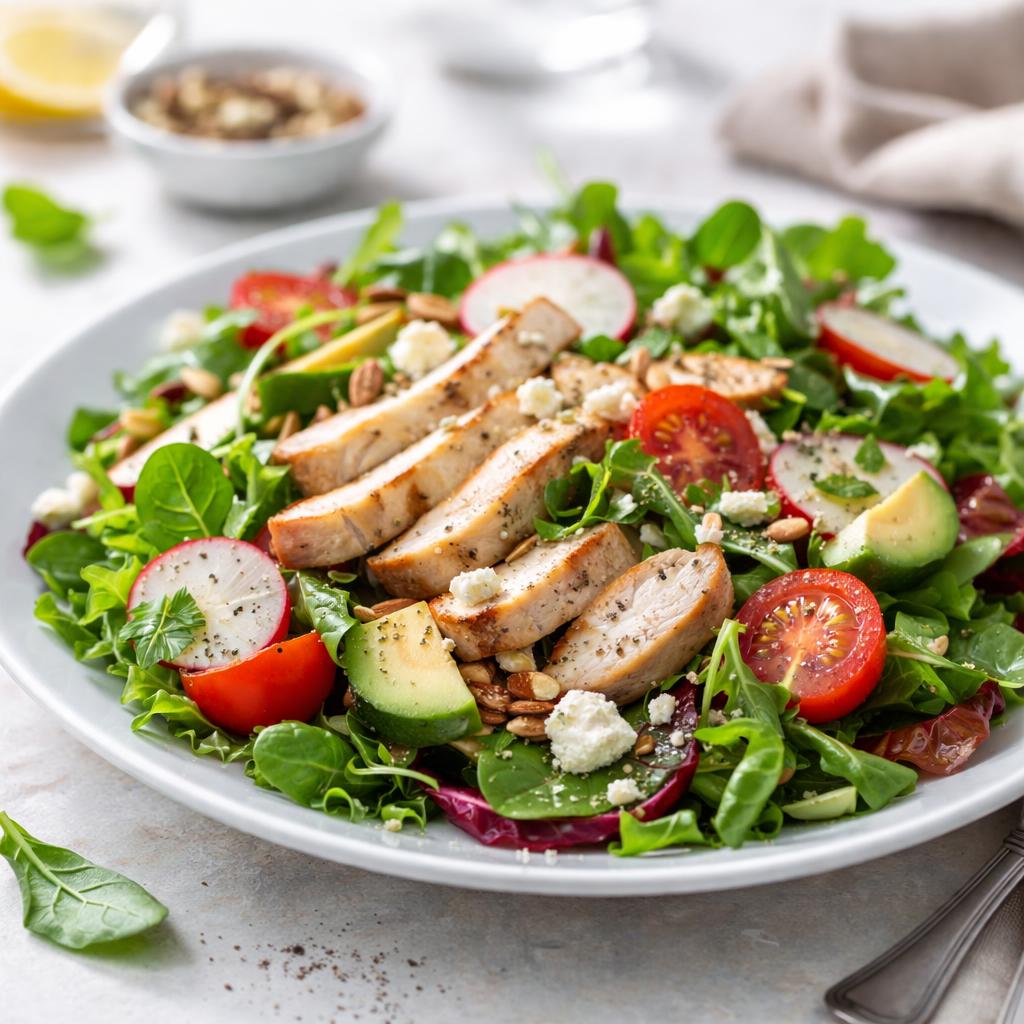
Salad
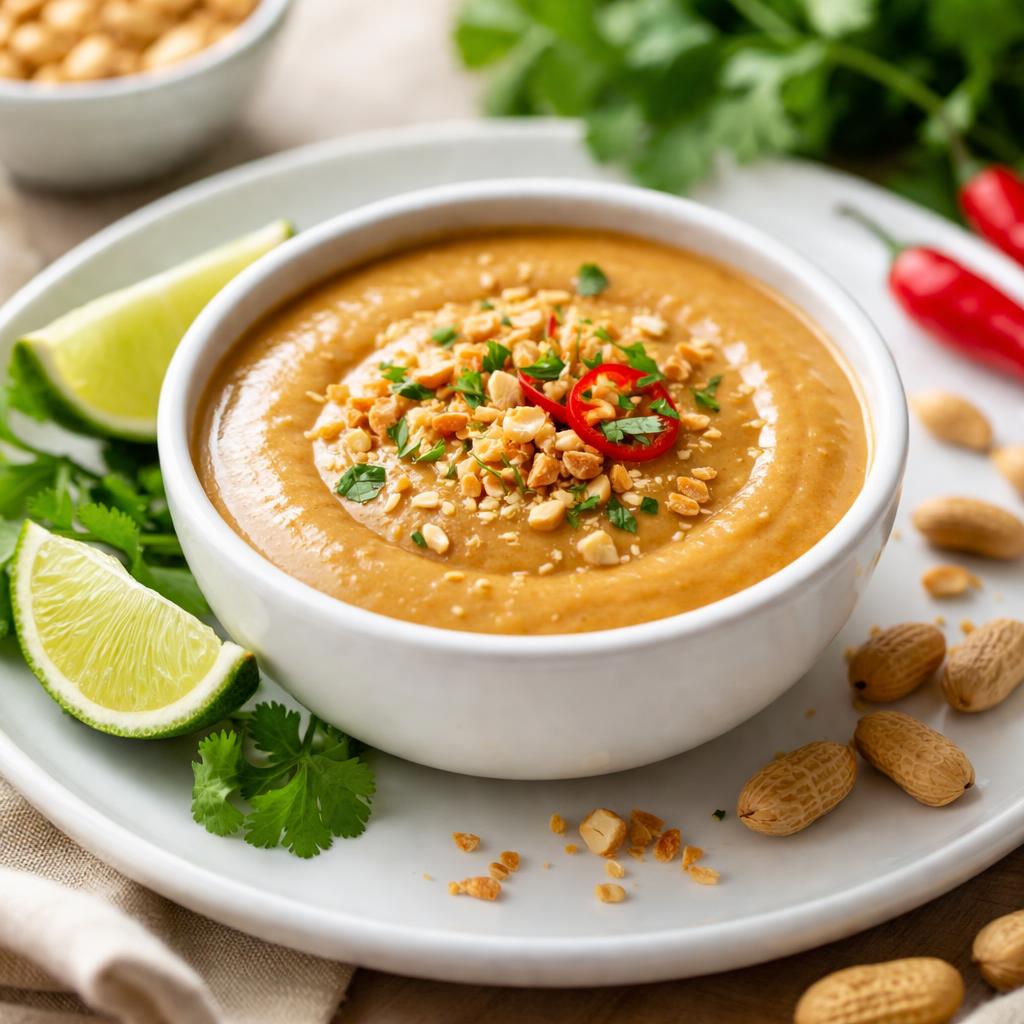
Peanut Sauce
🎯 Quick Verdict
Salad is low in calories, high in fiber, and rich in vitamins, making it a great choice for weight management and digestion. Peanut sauce, on the other hand, is higher in protein and healthy fats, offering sustained energy and heart health benefits. Both are vegan-friendly but serve different needs in a balanced diet.

Smart Nutrition Tracking with SnapCalorie

📊 Nutritional Comparison
Macronutrients
| Nutrient | Food 1 | Food 2 | Winner |
|---|---|---|---|
| Calories | 50 | 180 | ✓ |
| Protein | 2g | 7g | ✓ |
| Carbs | 10g | 8g | ✓ |
| Fat | 1g | 12g | ✓ |
| Fiber | 3g | 1g | ✓ |
Vitamins & Minerals
| Nutrient | Food 1 | Food 2 | Winner |
|---|---|---|---|
| Vitamin C | 9mg | 0mg | ✓ |
| Vitamin E | 1mg | 4mg | ✓ |
| Calcium | 40mg | 25mg | ✓ |
| Iron | 1mg | 0.6mg | ✓ |
🏆 Category Winners
Protein
Peanut sauce has over 3x more protein than salad.
Fiber
Salad is higher in fiber and beneficial for digestion.
Calories
Salad is much lower in calories than peanut sauce, which is dense in fats.
Vitamins
Salad has more vitamin C, calcium, and iron, making it a stronger source of micronutrients overall.
🥗 Diet Compatibility
Keto
Food 1: Not Compatible
Food 2: Compatible
Peanut sauce is lower in net carbs and fits a keto diet, while salad is higher in carbs.
Vegan
Food 1: Compatible
Food 2: Compatible
Both foods are fully plant-based vegan options.
Gluten Free
Food 1: Compatible
Food 2: Compatible
Neither food contains gluten ingredients.
Paleo
Food 1: Compatible
Food 2: Not Compatible
Salad fits a paleo diet, while peanut sauce may be excluded due to processed ingredients or sweeteners.
Low Carb
Food 1: Not Compatible
Food 2: Compatible
Peanut sauce is lower in carbs per serving than salad.
💪 Health Benefits Comparison
Food 1 Benefits
- High in fiber for promoting gut health
- Rich in vitamin C for boosting immunity
- Low-calorie option ideal for weight management
- Provides essential minerals such as calcium and iron
Food 2 Benefits
- High in healthy fats supporting heart health
- Good source of plant-based protein for muscle repair
- Contains antioxidants like vitamin E for skin health
- Offers sustained energy due to its balanced macronutrient profile
✅ The Bottom Line
Choose salad when prioritizing low calories, high fiber, and vitamin-rich options for weight management and general health. Opt for peanut sauce when looking for a protein-rich and energy-dense addition to meals. They complement each other well in balanced meal plans.
Choose Food 1 for: Weight loss, gut health, nutrient density, light meals
Choose Food 2 for: Energy boost, heart health, post-workout protein, keto diets


