Salad VS Orange Chicken
A detailed nutritional comparison
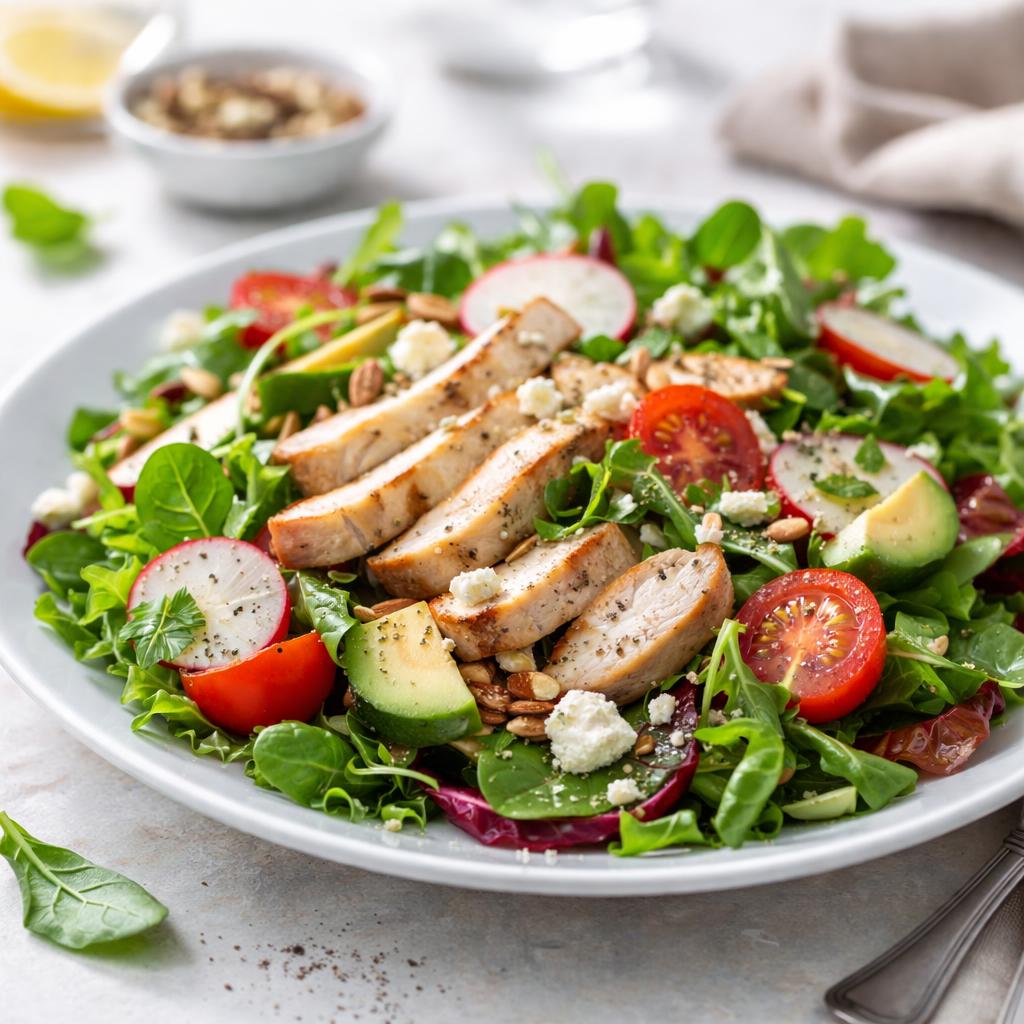
Salad
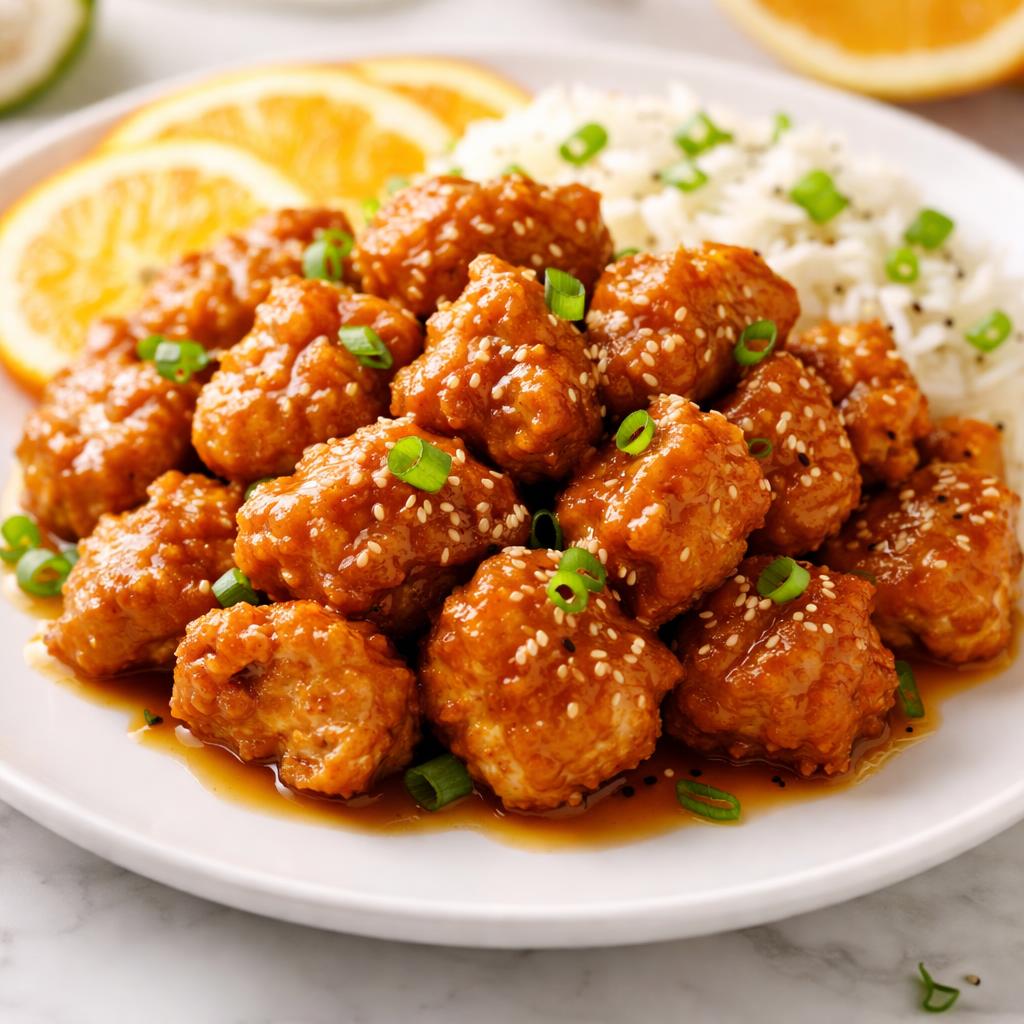
Orange Chicken
🎯 Quick Verdict
Salad is lower in calories and higher in fiber, making it ideal for weight loss and digestive health. Orange chicken, on the other hand, has more protein but is higher in calories, sugar, and fat, making it less suitable for calorie-conscious diets but a good option for energy-dense meals. Choose based on your dietary goals and preferences.

Smart Nutrition Tracking with SnapCalorie

📊 Nutritional Comparison
Macronutrients
| Nutrient | Food 1 | Food 2 | Winner |
|---|---|---|---|
| Calories | 100 | 400 | ✓ |
| Protein | 2g | 14g | ✓ |
| Carbs | 7g | 50g | ✓ |
| Fat | 5g | 20g | ✓ |
| Fiber | 3g | 1g | ✓ |
Vitamins & Minerals
| Nutrient | Food 1 | Food 2 | Winner |
|---|---|---|---|
| Vitamin C | 35mg | 10mg | ✓ |
| Vitamin A | 250mcg | 50mcg | ✓ |
| Calcium | 30mg | 20mg | ✓ |
| Iron | 0.7mg | 0.5mg | ✓ |
🏆 Category Winners
Protein
Orange chicken has significantly more protein due to the chicken content.
Fiber
Salad contains 3g of fiber, which is triple the amount found in orange chicken.
Calories
Salad provides 100 calories, compared to 400 in orange chicken.
🥗 Diet Compatibility
Keto
Food 1: Compatible
Food 2: Not Compatible
Salad is low-carb (7g), while orange chicken is high-carb (50g).
Vegan
Food 1: Compatible
Food 2: Not Compatible
Salad is plant-based, while orange chicken contains animal products.
Gluten Free
Food 1: Compatible
Food 2: Not Compatible
Salad is naturally gluten-free, but orange chicken may contain gluten in the breading and sauce.
Paleo
Food 1: Compatible
Food 2: Not Compatible
Salad is paleo-friendly, while orange chicken's breading and sugary sauce are not.
Low-Carb
Food 1: Compatible
Food 2: Not Compatible
Salad is low in carbs, while orange chicken contains 50g of carbohydrates.
💪 Health Benefits Comparison
Food 1 Benefits
- Low in calories, supporting weight loss
- Rich in fiber for improved digestive health
- Good source of vitamin C for immune system support
- Contains antioxidants for overall health
Food 2 Benefits
- Higher in protein, aiding muscle maintenance and repair
- Provides quick energy due to its carb content
- Contains iron for improved oxygen transport
- Offers healthy fats from oils used in preparation
✅ The Bottom Line
Choose salad for weight loss, digestive health, and low-carb diets. Opt for orange chicken if you need a protein-rich, energy-dense meal, though adjust portion sizes if calorie control is a concern.
Choose Food 1 for: Weight loss, low-carb diets, vegan or gluten-free lifestyles
Choose Food 2 for: High-protein diets, quick energy requirements, indulgent meals


