Salad VS Olives
A detailed nutritional comparison
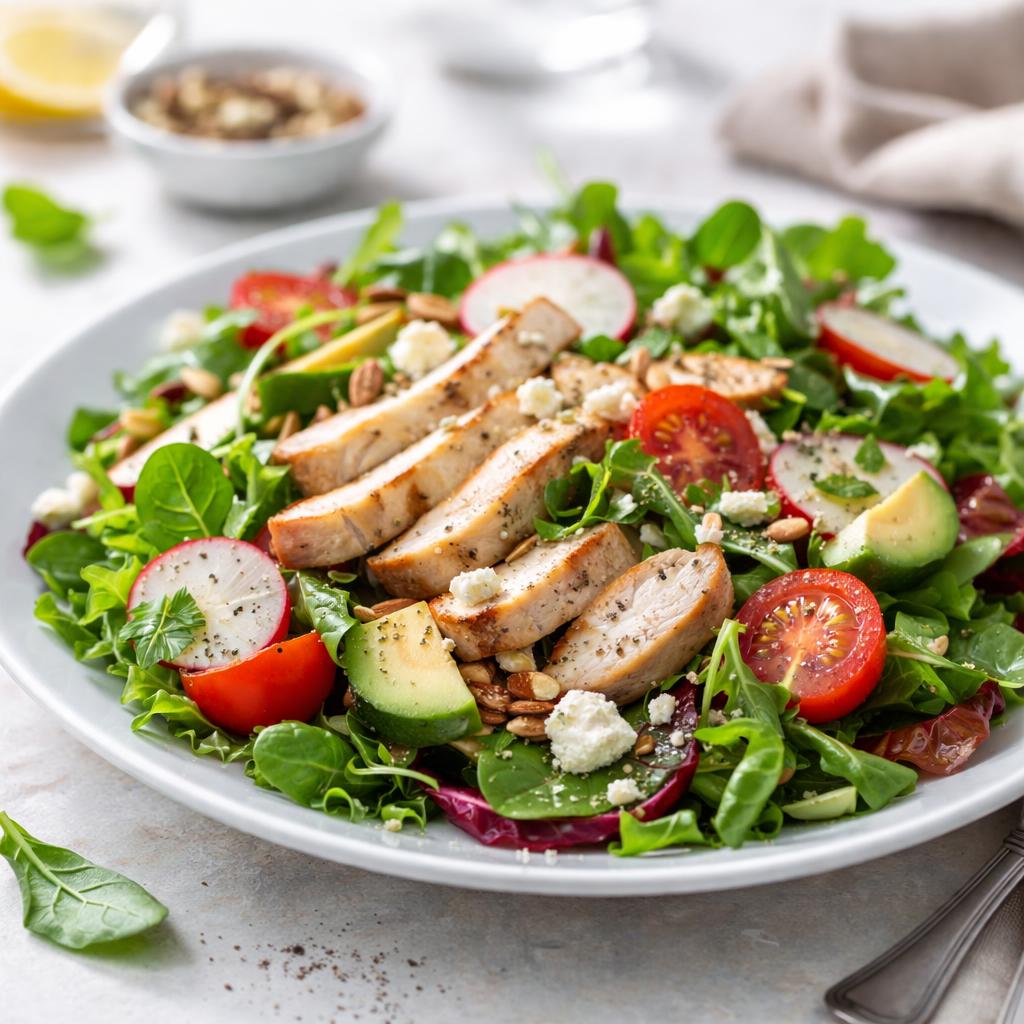
Salad
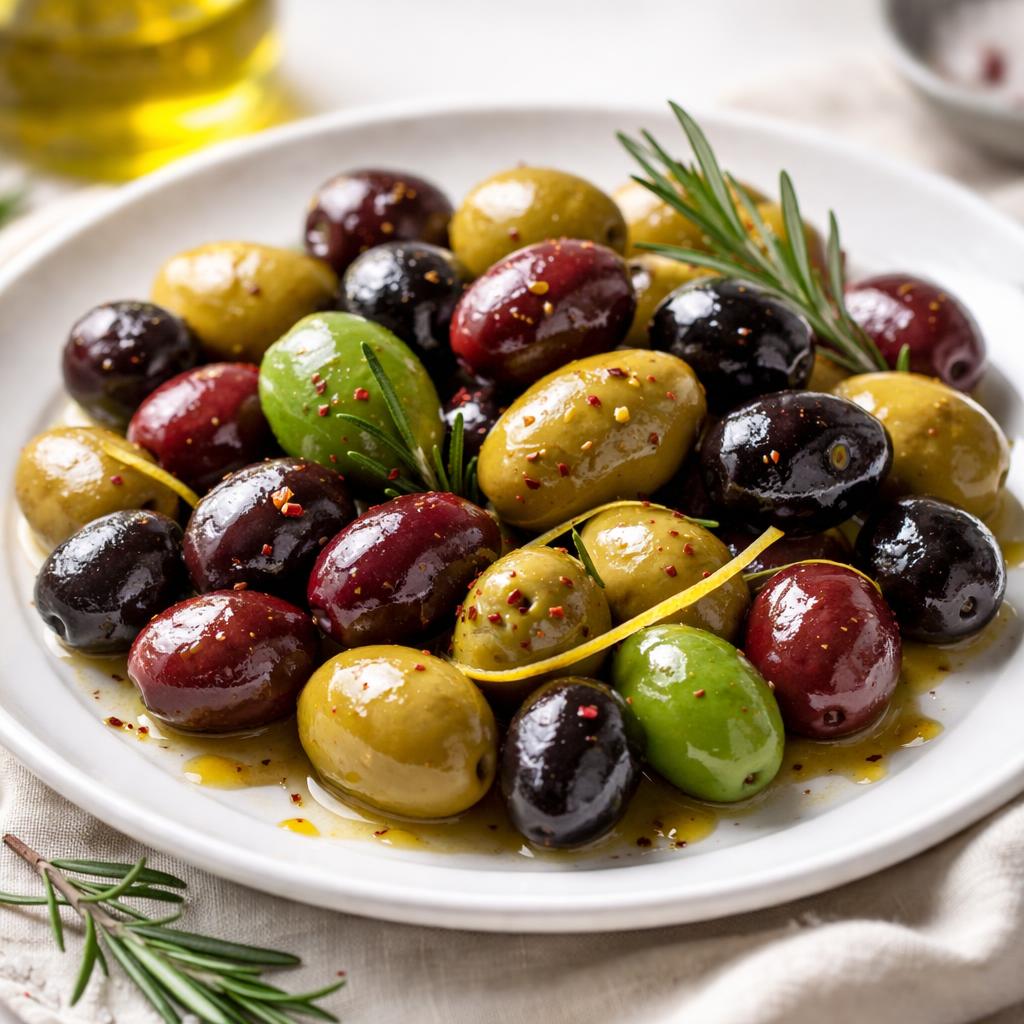
Olives
🎯 Quick Verdict
Salad comes out as the lower-calorie, higher-fiber option with more diverse vitamins, making it ideal for weight loss and general health. Olives, while higher in calories and fat, provide heart-healthy fats and antioxidants, making them great for moderation-based diets and culinary flavor enhancement.

Smart Nutrition Tracking with SnapCalorie

📊 Nutritional Comparison
Macronutrients
| Nutrient | Food 1 | Food 2 | Winner |
|---|---|---|---|
| Calories | 150 | 230 | ✓ |
| Protein | 2g | 2g | − |
| Carbs | 10g | 6g | ✓ |
| Fat | 5g | 22g | ✓ |
| Fiber | 4g | 2g | ✓ |
Vitamins & Minerals
| Nutrient | Food 1 | Food 2 | Winner |
|---|---|---|---|
| Vitamin C | 20mg (22% DV) | 0.1mg (0.1% DV) | ✓ |
| Vitamin A | 500IU (10% DV) | 120IU (2% DV) | ✓ |
| Vitamin K | 100mcg (83% DV) | 7.5mcg (6% DV) | ✓ |
| Iron | 1mg (8% DV) | 3.3mg (18% DV) | ✓ |
🏆 Category Winners
Protein
Both salad and olives contain equal levels of protein at 2g per serving.
Fiber
Salad contains 4g of fiber compared to 2g in olives.
Calories
Salad is lower in calories (150 vs 230 per serving).
Vitamins
Salad is more nutrient-dense in vitamins like Vitamin C, A, and K compared to olives.
🥗 Diet Compatibility
Keto
Food 1: Not Compatible
Food 2: Compatible
Olives are higher in fat and lower in carbs, suitable for keto diets.
Vegan
Food 1: Compatible
Food 2: Compatible
Both are plant-based and suitable for vegan diets.
Gluten Free
Food 1: Compatible
Food 2: Compatible
Both are naturally free of gluten.
Paleo
Food 1: Compatible
Food 2: Compatible
Both align with paleo dietary principles.
Low-Carb
Food 1: Compatible
Food 2: Compatible
Olives are naturally lower in carbs, though salad can also fit a low-carb diet depending on the mix.
💪 Health Benefits Comparison
Food 1 Benefits
- Rich in fiber for improved digestion
- Low-calorie option for weight management
- Contains Vitamin C for immune system support
- Good source of Vitamin K for bone health
Food 2 Benefits
- Provides healthy fats for heart health
- Rich in antioxidants that reduce inflammation
- Good source of iron for energy production
- Supports brain health through monounsaturated fats
✅ The Bottom Line
Salad is a better choice for weight loss, nutrient diversity, and high fiber intake. Olives, on the other hand, are excellent for keto diets, heart health, and enhancing flavor in dishes due to their healthy fats. Choose salad for light meals or weight management, and olives for snacking, adding healthy fats, or focusing on heart health.
Choose Food 1 for: Weight loss, digestive health, vitamin diversity
Choose Food 2 for: Heart health, keto diets, flavorful additions


