Salad VS Margarita
A detailed nutritional comparison
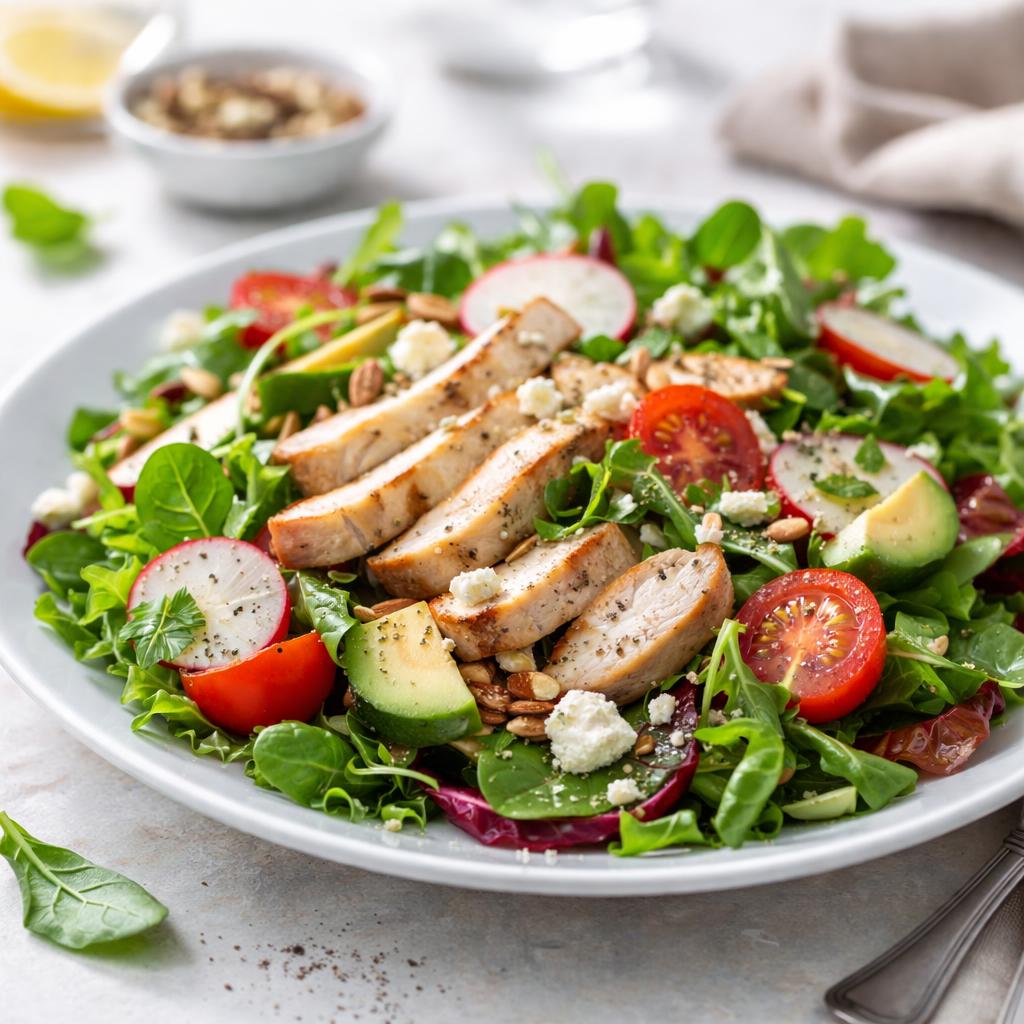
Salad

Margarita
🎯 Quick Verdict
Salad is significantly healthier than margarita due to its high fiber content, lower calorie count, and presence of beneficial vitamins and minerals. Margaritas, while enjoyable for social occasions, are high in sugar and calories, lacking significant nutritional benefits. Salad is best suited for weight management and overall health, while margaritas are an occasional treat for social events.

Smart Nutrition Tracking with SnapCalorie

📊 Nutritional Comparison
Macronutrients
| Nutrient | Food 1 | Food 2 | Winner |
|---|---|---|---|
| Calories | 120 | 250 | ✓ |
| Protein | 3g | 0g | ✓ |
| Carbs | 15g | 30g | ✓ |
| Fat | 5g | 0g | ✓ |
| Fiber | 5g | 0g | ✓ |
Vitamins & Minerals
| Nutrient | Food 1 | Food 2 | Winner |
|---|---|---|---|
| Vitamin C | 20mg | 0mg | ✓ |
| Vitamin A | 300mcg | 0mcg | ✓ |
| Calcium | 40mg | 5mg | ✓ |
🏆 Category Winners
Protein
Salad contains 3g of protein, while margarita contains none.
Fiber
Salad provides 5g of fiber, while margarita has none.
Calories
Salad is lower in calories (120 vs. 250 per serving).
🥗 Diet Compatibility
Keto
Food 1: Compatible
Food 2: Not Compatible
Salad is low-carb (15g), while margarita is high in sugars.
Vegan
Food 1: Compatible
Food 2: Compatible
Both are plant-based, but margaritas lack nutritional benefits.
Gluten Free
Food 1: Compatible
Food 2: Compatible
Both foods contain no gluten.
Paleo
Food 1: Compatible
Food 2: Not Compatible
Margaritas fail paleo rules due to refined sugars.
Low-Carb
Food 1: Compatible
Food 2: Not Compatible
Salad is relatively low-carb (15g) compared to margaritas (30g).
💪 Health Benefits Comparison
Food 1 Benefits
- Rich in fiber to support digestion and gut health
- Provides essential vitamins like Vitamin C and A for immune support and vision
- Low in calories, making it ideal for weight management
Food 2 Benefits
- An enjoyable social drink for relaxation
- Contains lime, which offers trace vitamin C
- Provides quick energy with carbohydrates, though largely from sugars
✅ The Bottom Line
Salad is the clear winner for overall nutrition, providing essential macronutrients, fiber, vitamins, and minerals. Margaritas, while enjoyable occasionally, are a high-calorie indulgence lacking meaningful nutritional value. Choose salad for everyday health benefits and margaritas for rare social occasions.
Choose Food 1 for: Weight management, gut health, nutrient-dense meals
Choose Food 2 for: Social occasions, casual indulgence


