Salad VS Mandarin Oranges
A detailed nutritional comparison
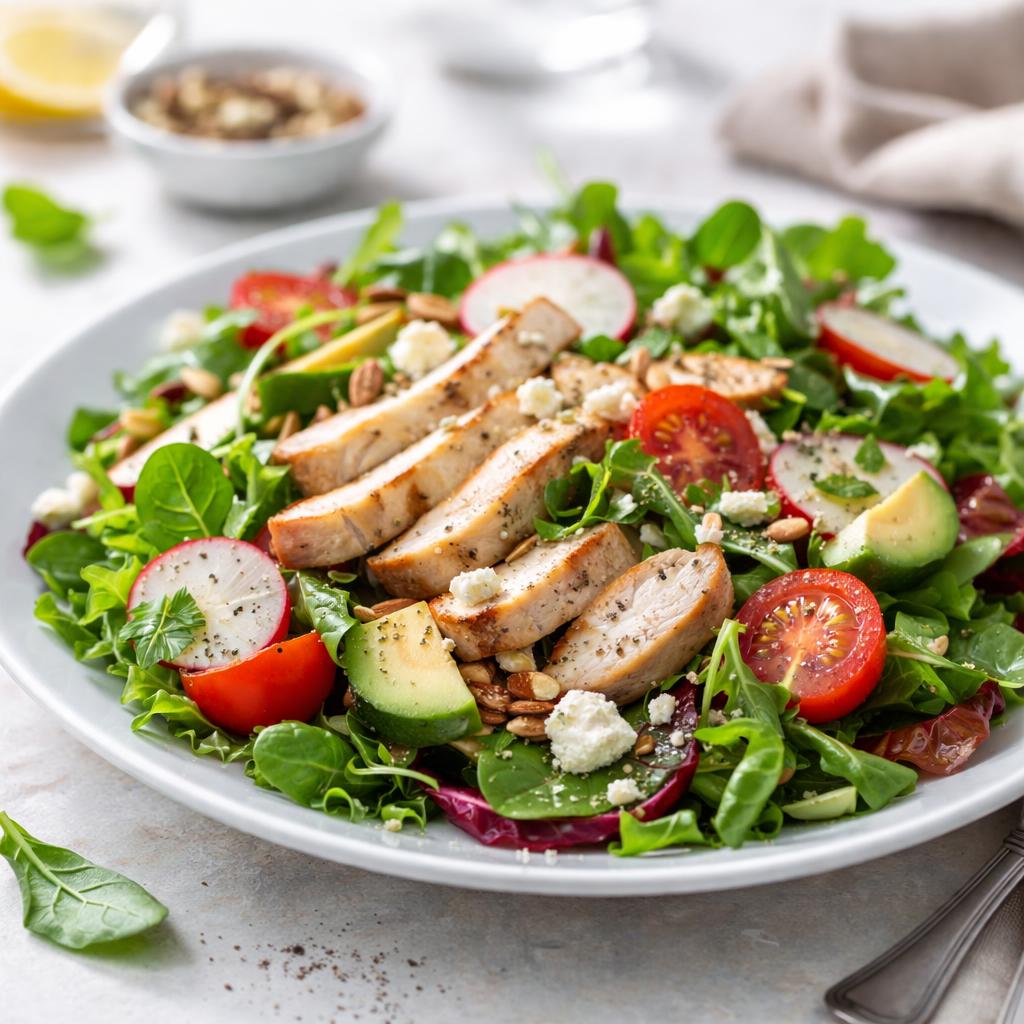
Salad
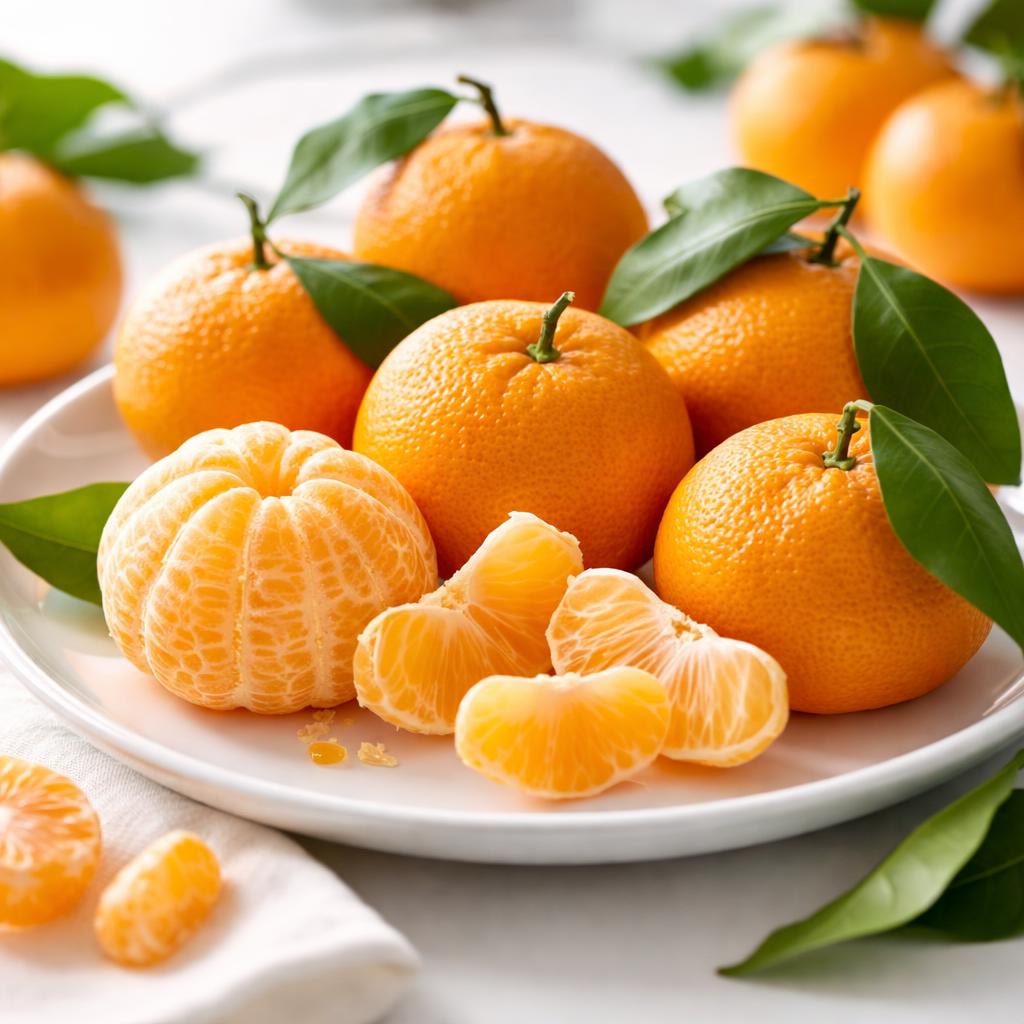
Mandarin Oranges
🎯 Quick Verdict
Salad is lower in calories and offers more protein and fiber compared to mandarin oranges, making it a better choice for weight loss and digestion. Mandarin oranges, however, are richer in natural sugars and vitamin C, making them ideal for quick energy and immune support.

Smart Nutrition Tracking with SnapCalorie

📊 Nutritional Comparison
Macronutrients
| Nutrient | Food 1 | Food 2 | Winner |
|---|---|---|---|
| Calories | 35 | 47 | ✓ |
| Protein | 1g | 0.7g | ✓ |
| Carbs | 7g | 12g | ✓ |
| Fat | 0.2g | 0.3g | ✓ |
| Fiber | 3g | 1.8g | ✓ |
Vitamins & Minerals
| Nutrient | Food 1 | Food 2 | Winner |
|---|---|---|---|
| Vitamin C | 9mg | 26mg | ✓ |
| Vitamin A | 250 IU | 132 IU | ✓ |
| Vitamin K | 100mcg | 0.0mcg | ✓ |
🏆 Category Winners
Protein
Salad contains slightly more protein per serving.
Fiber
Salad has 67% more fiber, supporting digestion.
Calories
Salad contains 25% fewer calories than mandarin oranges.
🥗 Diet Compatibility
Keto
Food 1: Compatible
Food 2: Not Compatible
Salad is lower in carbs, making it better suited for a keto diet.
Vegan
Food 1: Compatible
Food 2: Compatible
Both foods are plant-based and fully vegan.
Gluten Free
Food 1: Compatible
Food 2: Compatible
Neither food contains gluten.
Paleo
Food 1: Compatible
Food 2: Compatible
Both meet paleo guidelines as natural, unprocessed foods.
Low-Carb
Food 1: Compatible
Food 2: Not Compatible
Salad is much lower in carbohydrates compared to mandarin oranges.
💪 Health Benefits Comparison
Food 1 Benefits
- Low-calorie option for weight management
- Rich in fiber for digestive health
- High in vitamin K for bone and blood health
- Contains vitamin A for eye health
Food 2 Benefits
- Packed with vitamin C for immune support
- Natural sugars for quick energy and stamina
- Low in fat and a hydrating food
- Provides antioxidants to fight free radicals
✅ The Bottom Line
Salad is the superior choice for those focused on weight loss, digestion, and overall nutritional density due to its low calorie count, fiber, and vitamin K content. Mandarin oranges, while higher in carbs and sugar, serve as an excellent snack for boosting energy and immune health, thanks to their vitamin C and natural sugars.
Choose Food 1 for: Weight loss, digestion, bone health, eye health
Choose Food 2 for: Quick energy, immune support, antioxidant benefits


