Salad VS Kimchi
A detailed nutritional comparison
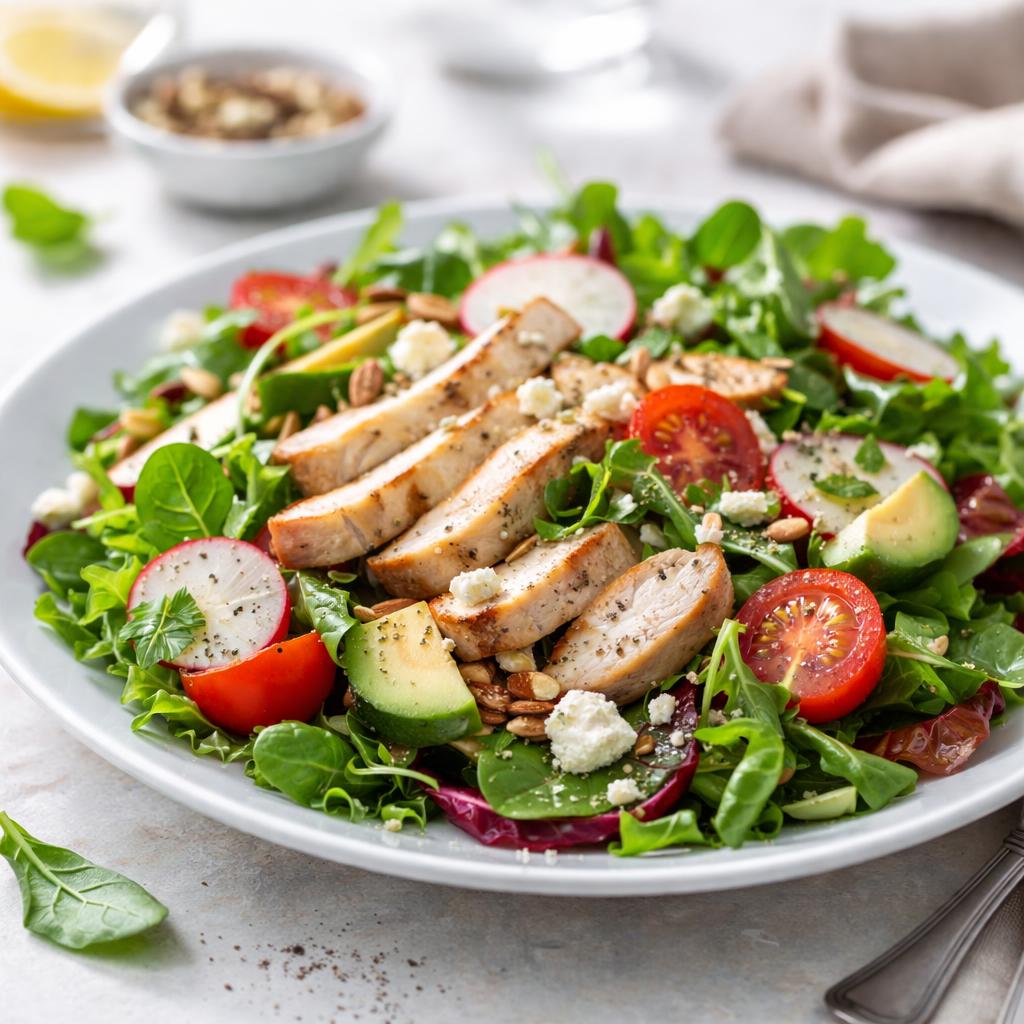
Salad
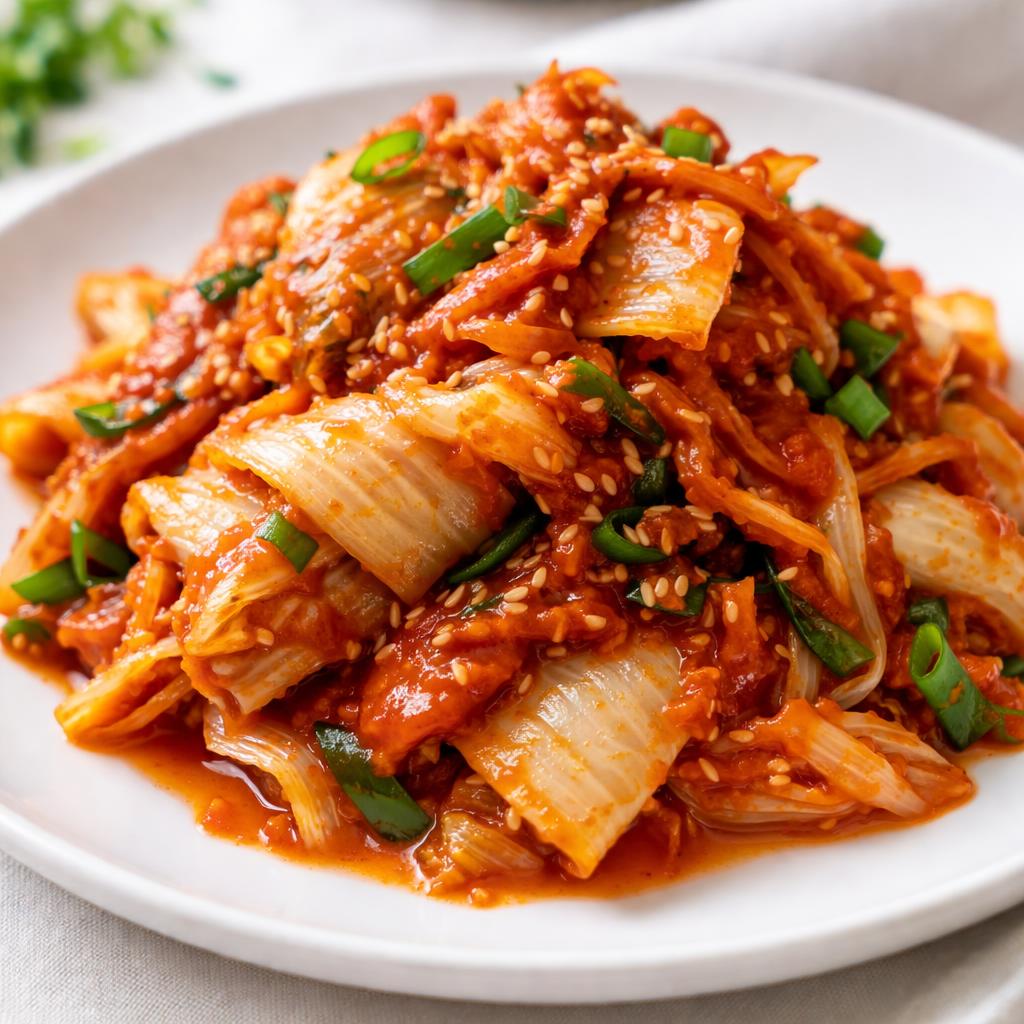
Kimchi
🎯 Quick Verdict
Salad is lower in calories and generally higher in fiber and protein, making it a great option for weight loss-focused or nutrient-light meals. Kimchi provides a unique edge with its probiotic benefits and rich flavor, making it ideal for gut health and adding nutritional complexity to meals. Both are plant-based and versatile, but serve distinct dietary roles.

Smart Nutrition Tracking with SnapCalorie

📊 Nutritional Comparison
Macronutrients
| Nutrient | Food 1 | Food 2 | Winner |
|---|---|---|---|
| Calories | 20 (per cup) | 30 (per cup) | − |
| Protein | 1.5g (per cup) | 1g (per cup) | − |
| Carbs | 4g (per cup) | 5g (per cup) | − |
| Fat | 0.2g (per cup) | 0.5g (per cup) | − |
| Fiber | 2g (per cup) | 1.5g (per cup) | − |
Vitamins & Minerals
| Nutrient | Food 1 | Food 2 | Winner |
|---|---|---|---|
| Vitamin C | 9mg | 18mg | − |
| Vitamin K | 50mcg | 40mcg | − |
| Calcium | 15mg | 20mg | − |
| Iron | 0.5mg | 1mg | − |
🏆 Category Winners
Protein
Salad has 50% more protein per cup.
Fiber
Salad contains 33% more dietary fiber per serving.
Calories
Salad is lower in calories, with 10 fewer calories per cup than kimchi.
Vitamins
Kimchi provides higher levels of Vitamin C, Calcium, and Iron, which support immunity and bone health.
🥗 Diet Compatibility
Keto
Food 1: Compatible
Food 2: Compatible
Both are low-carb and fit into a keto diet in moderate amounts.
Vegan
Food 1: Compatible
Food 2: Compatible
Neither food contains animal products.
Gluten Free
Food 1: Compatible
Food 2: Compatible
Both are naturally gluten-free.
Paleo
Food 1: Compatible
Food 2: Compatible
Both align with a whole food, unprocessed paleo diet.
Low-Carb
Food 1: Compatible
Food 2: Compatible
Both foods are low in carbohydrates and suit low-carb eating styles.
💪 Health Benefits Comparison
Food 1 Benefits
- Low in calories, suitable for weight loss
- High in fiber, promotes digestive health
- Contains Vitamin K and antioxidants for overall health
Food 2 Benefits
- Rich in probiotics for gut health
- High in Vitamin C for immunity support
- Low in calories, adds flavor and nutrients without heaviness
✅ The Bottom Line
Salad is a nutrient-light, versatile option for weight loss, digestive health, and high-protein diets. Kimchi, on the other hand, shines as a probiotic-rich addition to meals that supports gut health and immunity. Both have unique strengths depending on individual dietary goals.
Choose Food 1 for: Weight loss, light meals, digestive health
Choose Food 2 for: Gut health, flavor enhancement, immunity support


