Salad VS Jelly
A detailed nutritional comparison
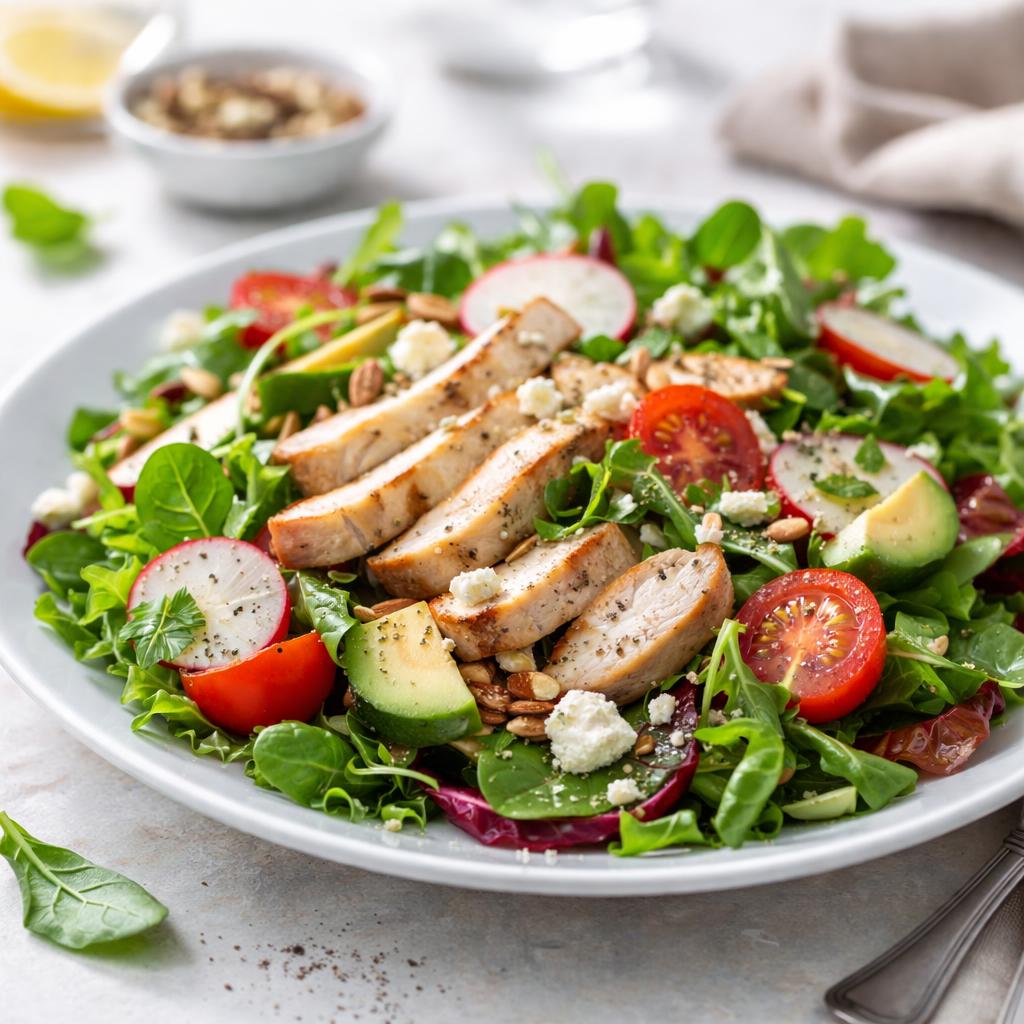
Salad
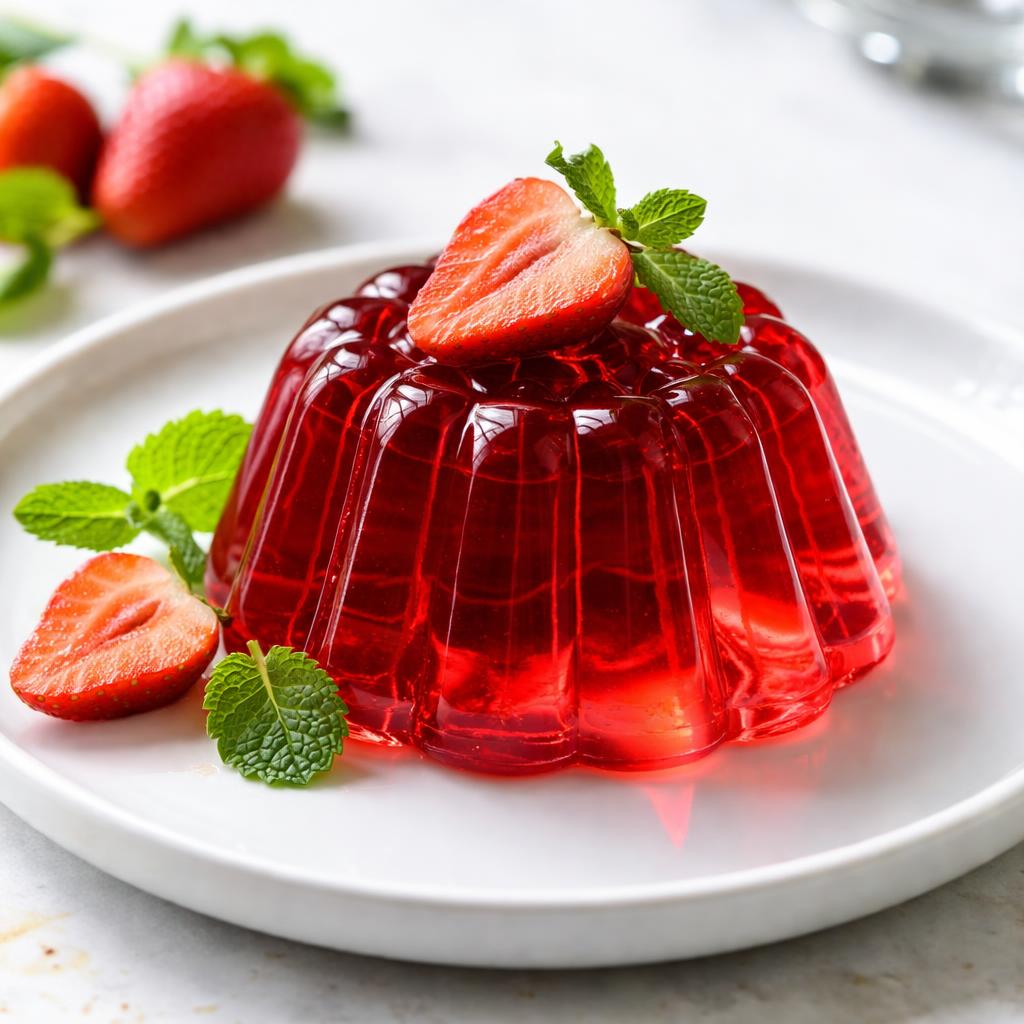
Jelly
🎯 Quick Verdict
Salad is nutritionally superior to jelly, offering higher protein, fiber, and significantly fewer calories. While jelly is primarily a source of carbohydrates and provides quick energy, salad is more nutrient-dense with vitamins and minerals, making it ideal for weight management and balanced diets.

Smart Nutrition Tracking with SnapCalorie

📊 Nutritional Comparison
Macronutrients
| Nutrient | Food 1 | Food 2 | Winner |
|---|---|---|---|
| Calories | 50 | 200 | ✓ |
| Protein | 2g | 0g | ✓ |
| Carbs | 5g | 50g | ✓ |
| Fat | 1g | 0g | ✓ |
| Fiber | 3g | 0g | ✓ |
Vitamins & Minerals
| Nutrient | Food 1 | Food 2 | Winner |
|---|---|---|---|
| Vitamin C | 15mg | 5mg | ✓ |
| Calcium | 30mg | 10mg | ✓ |
| Iron | 1mg | 0mg | ✓ |
🏆 Category Winners
Protein
Food1 contains 2g of protein, while Food2 has none.
Fiber
Food1 contains 3g of fiber per serving, while Food2 has 0g.
Calories
Food1 has 75% fewer calories than Food2.
🥗 Diet Compatibility
Keto
Food 1: Compatible
Food 2: Not Compatible
Food1 is low-carb (5g per serving), but Food2 is high-carb.
Vegan
Food 1: Compatible
Food 2: Compatible
Both foods are plant-based.
Gluten Free
Food 1: Compatible
Food 2: Compatible
Neither food contains gluten.
Paleo
Food 1: Compatible
Food 2: Not Compatible
Food1 is natural and unprocessed, while Food2 is highly processed.
Low Carb
Food 1: Compatible
Food 2: Not Compatible
Food1 has only 5g of carbs, while Food2 is high in carbs at 50g per serving.
💪 Health Benefits Comparison
Food 1 Benefits
- Low in calories, excellent for weight control
- Rich in fiber, supports digestive health
- Provides a range of vitamins such as Vitamin C for immunity
Food 2 Benefits
- Quick source of energy due to high sugar
- Some antioxidant properties from fruit-based ingredients
- May satisfy sweet cravings without using fat
✅ The Bottom Line
Salad is the better choice for balanced nutrition and weight management, as it provides protein, fiber, and essential vitamins while being low in calories. Jelly, however, can be useful as a quick energy source or treat in moderation due to its high sugar content.
Choose Food 1 for: Weight management, nutrient-dense meals, fiber-rich diets
Choose Food 2 for: Quick energy boosts, occasional treats, satisfying sugar cravings


