Salad VS Honey Mustard
A detailed nutritional comparison
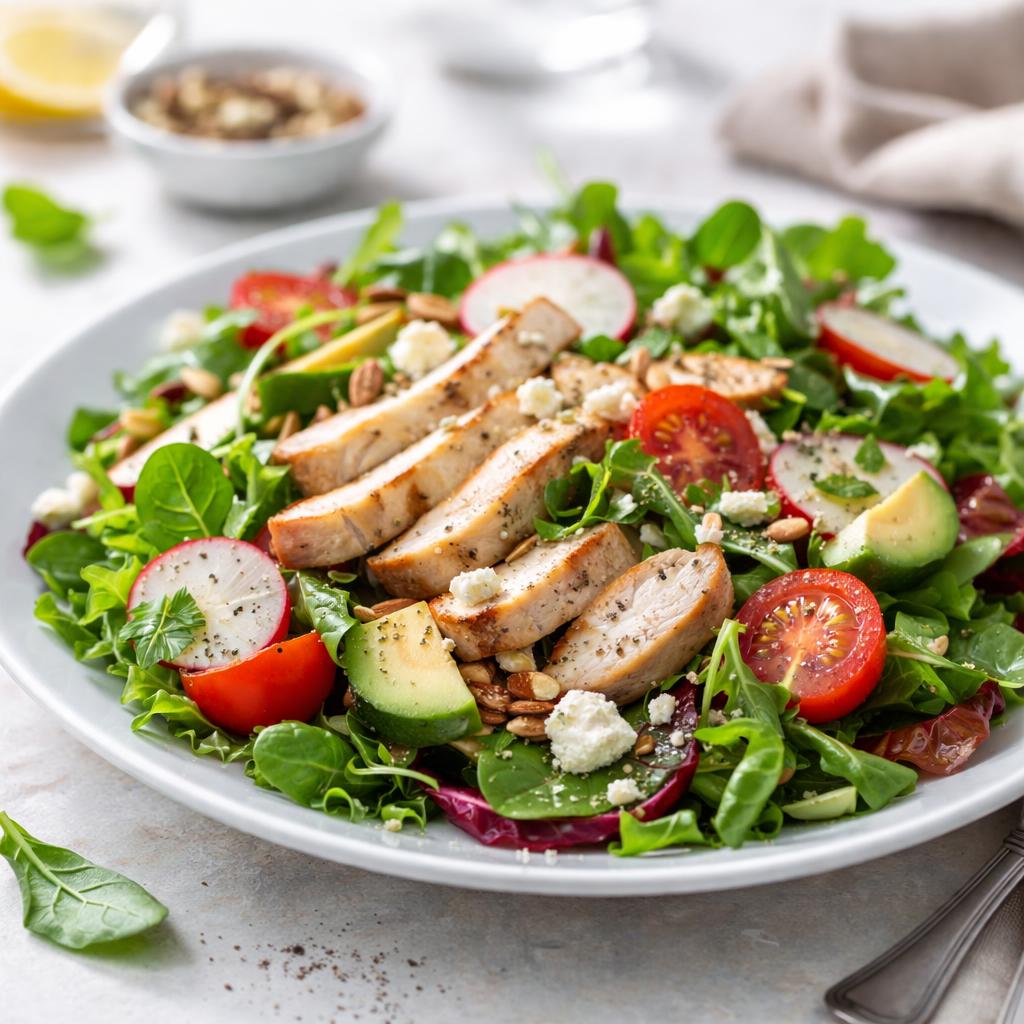
Salad
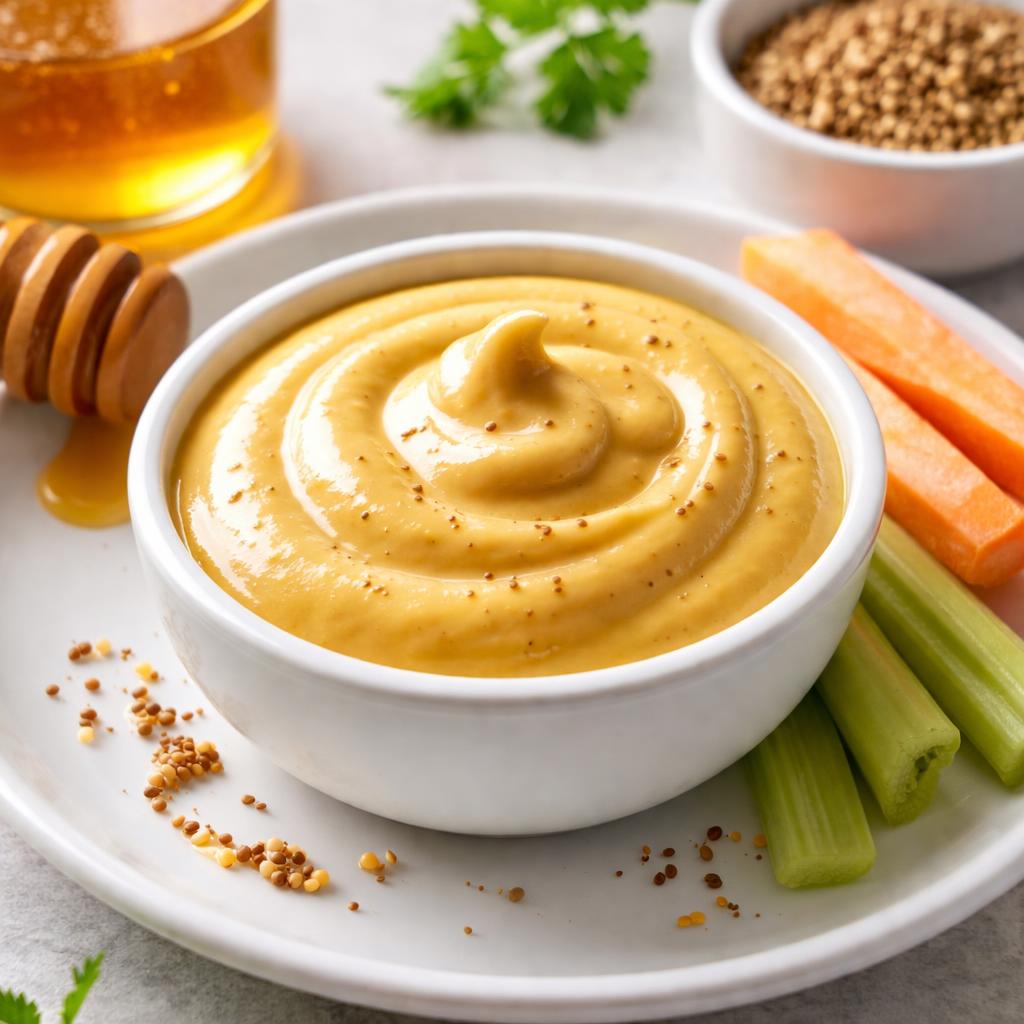
Honey Mustard
🎯 Quick Verdict
Salad is a nutrient-dense food offering lower calories, more fiber, and higher protein, making it ideal for weight management and overall health. Honey mustard, on the other hand, is calorie-dense and primarily serves as a condiment, adding flavor and trace amounts of vitamins but few macronutrients. For health-conscious meals, salad is more versatile and balanced, while honey mustard suits enhancing taste on the side.

Smart Nutrition Tracking with SnapCalorie

📊 Nutritional Comparison
Macronutrients
| Nutrient | Food 1 | Food 2 | Winner |
|---|---|---|---|
| Calories | 40 per cup | 130 per 2 tablespoons | − |
| Protein | 2g per cup | 0.2g per 2 tablespoons | − |
| Carbs | 8g per cup | 7g per 2 tablespoons | − |
| Fat | 0.2g per cup | 11g per 2 tablespoons | − |
| Fiber | 2g per cup | 0g per 2 tablespoons | − |
Vitamins & Minerals
| Nutrient | Food 1 | Food 2 | Winner |
|---|---|---|---|
| Vitamin A | 300 IU per cup | Trace per 2 tablespoons | − |
| Vitamin C | 6mg per cup | Trace per 2 tablespoons | − |
| Calcium | 30mg per cup | 10mg per 2 tablespoons | − |
| Iron | 0.5mg per cup | 0.1mg per 2 tablespoons | − |
🏆 Category Winners
Protein
Salad contains 10 times more protein than honey mustard per serving.
Fiber
Salad provides 2g of fiber, while honey mustard contains none.
Calories
Salad has 70% fewer calories per serving compared to honey mustard.
Fat
Honey mustard is significantly higher in fat due to oil-based ingredients.
🥗 Diet Compatibility
Keto
Food 1: Compatible
Food 2: Compatible
Both foods are low-carb, but honey mustard should be portion-controlled due to added sugars and fats.
Vegan
Food 1: Compatible
Food 2: Check ingredient list
Salad is plant-based, while honey mustard may contain non-vegan ingredients like honey.
Gluten Free
Food 1: Compatible
Food 2: Check ingredient list
Salad is naturally gluten-free. Honey mustard may contain gluten-based thickeners or malt vinegar.
Paleo
Food 1: Compatible
Food 2: Not Compatible
Salad aligns with Paleo diets, but honey mustard typically contains processed sugars.
Low Carb
Food 1: Compatible
Food 2: Compatible
Both foods are low in carbs, though honey mustard is less nutrient-dense.
💪 Health Benefits Comparison
Food 1 Benefits
- Rich in fiber for improved digestion and satiety
- Contains vitamins A and C for immune and eye health
- Low-calorie, making it ideal for weight management
Food 2 Benefits
- Adds flavor to meals without significant portions
- Contains healthy fats for energy and taste
- May provide trace amounts of minerals like calcium
✅ The Bottom Line
Salad stands out as a nutrient-rich, versatile food suitable for weight management, fiber intake, and vitamin provision. Honey mustard is better suited as a flavorful addition to meals rather than a standalone dietary choice. Use salad as a key part of balanced meals and honey mustard sparingly as a condiment.
Choose Food 1 for: Weight management, balanced meals, nutrient density, vegan diets
Choose Food 2 for: Flavor enhancement, small calorie additions, pairing with proteins


