Salad VS Hamburger
A detailed nutritional comparison
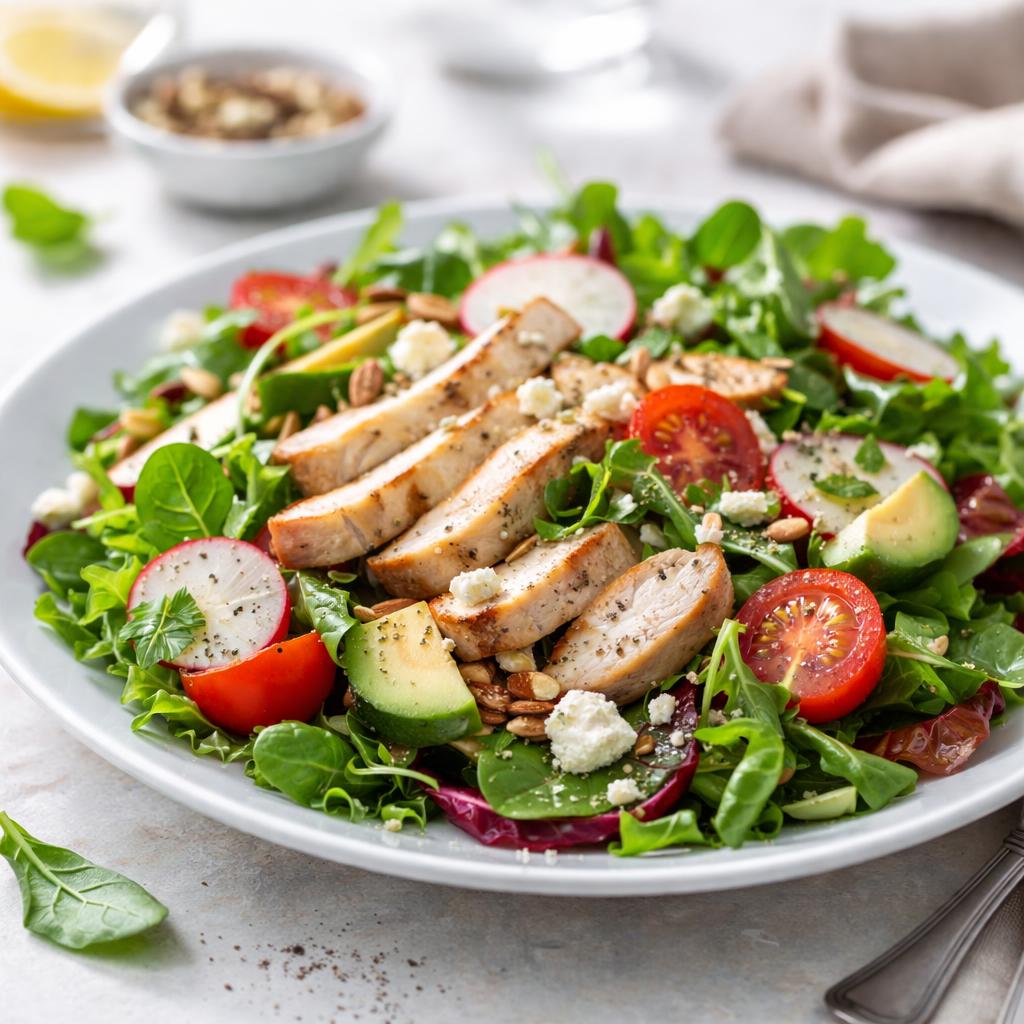
Salad
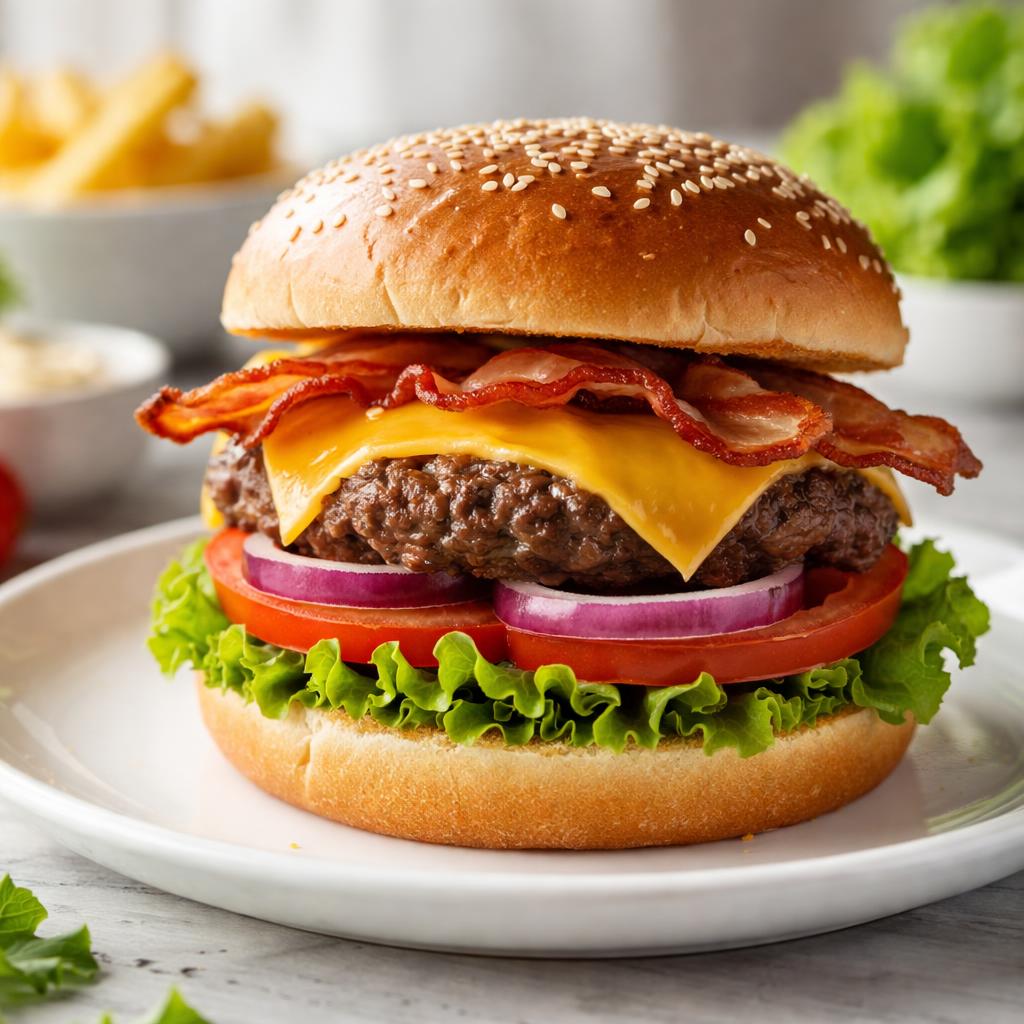
Hamburger
🎯 Quick Verdict
Salad offers lower calories, higher fiber, and is rich in vitamins, making it ideal for weight management and nutrient-dense diets. Meanwhile, the hamburger is higher in protein and contains more fats, making it a good choice for those seeking energy and muscle-building nutrients, albeit less suitable for calorie-conscious diets.

Smart Nutrition Tracking with SnapCalorie

📊 Nutritional Comparison
Macronutrients
| Nutrient | Food 1 | Food 2 | Winner |
|---|---|---|---|
| Calories | 120 | 300 | ✓ |
| Protein | 3g | 15g | ✓ |
| Carbs | 10g | 30g | ✓ |
| Fat | 2g | 15g | ✓ |
| Fiber | 3g | 1g | ✓ |
Vitamins & Minerals
| Nutrient | Food 1 | Food 2 | Winner |
|---|---|---|---|
| Vitamin A | 1500IU | 300IU | ✓ |
| Vitamin C | 20mg | 2mg | ✓ |
| Iron | 1mg | 3mg | ✓ |
🏆 Category Winners
Protein
Food2 (hamburger) has 5x more protein than food1 (salad).
Fiber
Food1 has 3x more fiber per serving.
Calories
Food1 has 60% fewer calories per serving.
Vitamins
Food1 is significantly higher in vitamin A and vitamin C.
🥗 Diet Compatibility
Keto
Food 1: Compatible
Food 2: Compatible
Both can fit the keto diet depending on toppings and ingredients.
Vegan
Food 1: Compatible
Food 2: Not Compatible
Food1 contains no animal products; food2 contains meat.
Gluten Free
Food 1: Compatible
Food 2: Not Compatible
Hamburger buns often include gluten, while salad is typically gluten-free.
Paleo
Food 1: Compatible
Food 2: Not Compatible
Food1 aligns with whole food principles; food2 includes processed elements like bread.
Low Carb
Food 1: Compatible
Food 2: Moderately Compatible
Food1 is naturally lower in carbs, while food2 may contain refined carbs in the bun.
💪 Health Benefits Comparison
Food 1 Benefits
- High in dietary fiber for improved digestion
- Rich in vitamins A and C for immune and skin health
- Low in calories, supporting weight loss or maintenance
- Provides antioxidants from vegetables, promoting cellular health
Food 2 Benefits
- High in protein for muscle growth and repair
- Contains iron for blood health and energy production
- Provides fats for sustained energy and satiety
- Source of B vitamins for metabolism support
✅ The Bottom Line
Salad is the better choice for calorie-conscious individuals, vegans, and those seeking high fiber and vitamins. Hamburger is superior for energy needs, muscle building, or as a hearty meal option. Choose salad for nutrient density and weight management, and hamburger for protein and energy-heavy meals.
Choose Food 1 for: Weight loss, vegan diets, vitamin-rich meals
Choose Food 2 for: Muscle-building, high-energy diets, comfort food


