Salad VS Guacamole
A detailed nutritional comparison
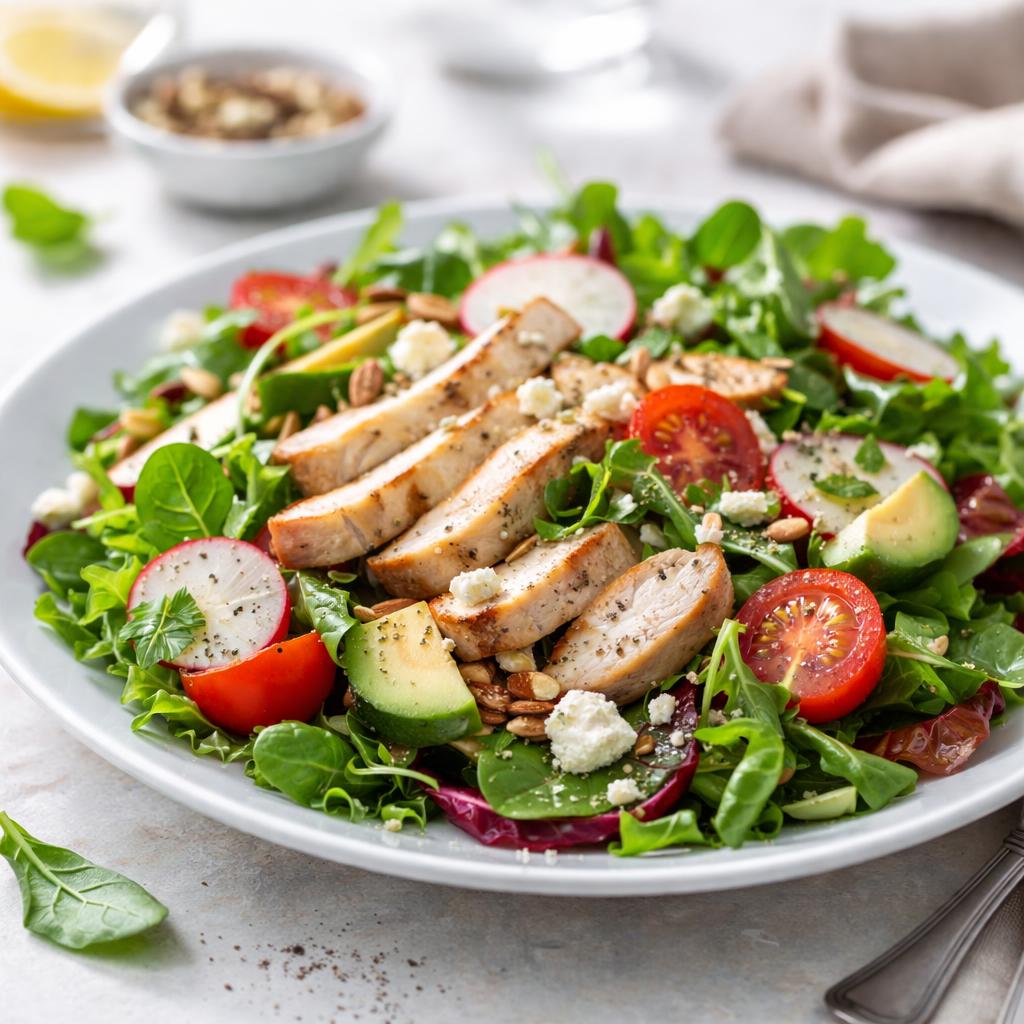
Salad
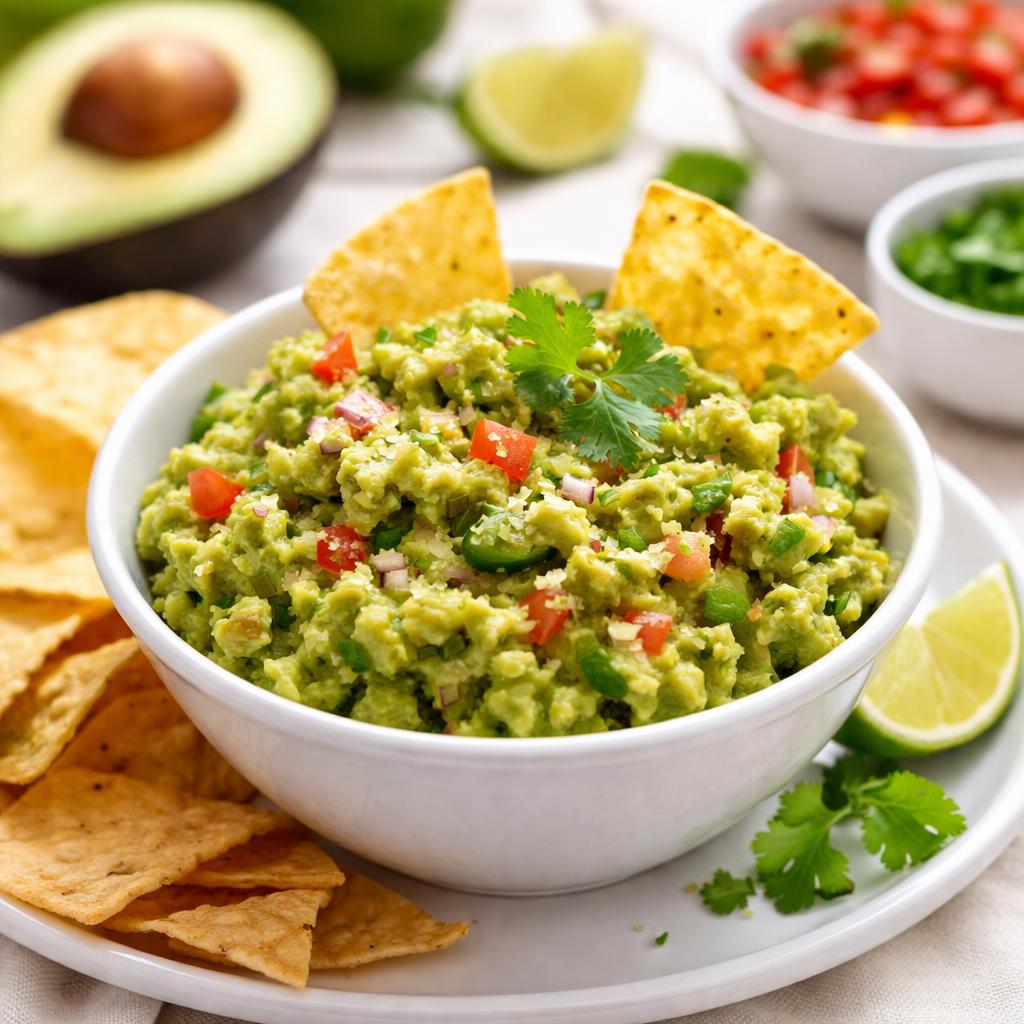
Guacamole
🎯 Quick Verdict
Salad is lower in calories, slightly higher in protein, and can be a weight-loss friendly option while guacamole is nutrient-dense, offering healthy fats, fiber, and vitamins. Guacamole suits heart-healthy diets, while salad is more versatile for light meals or balanced eating patterns.

Smart Nutrition Tracking with SnapCalorie

📊 Nutritional Comparison
Macronutrients
| Nutrient | Food 1 | Food 2 | Winner |
|---|---|---|---|
| Calories | 50 | 200 | ✓ |
| Protein | 2g | 1g | ✓ |
| Carbs | 10g | 9g | ✓ |
| Fat | 0.5g | 18g | ✓ |
| Fiber | 1g | 6g | ✓ |
Vitamins & Minerals
| Nutrient | Food 1 | Food 2 | Winner |
|---|---|---|---|
| Vitamin C | 25mg | 8mg | ✓ |
| Vitamin K | 60mcg | 21mcg | ✓ |
| Potassium | 150mg | 500mg | ✓ |
| Folate | 20mcg | 80mcg | ✓ |
🏆 Category Winners
Protein
Salad offers double the protein compared to guacamole.
Fiber
Guacamole provides 6g of fiber versus just 1g in salad.
Calories
Salad is much lower in calories, with only 50 per serving.
Vitamins
Salad is higher in Vitamin C and Vitamin K, while guacamole wins for potassium and folate.
🥗 Diet Compatibility
Keto
Food 1: Not Compatible
Food 2: Compatible
Guacamole is low-carb and high-fat, suitable for keto diets, while salad contains more carbohydrates.
Vegan
Food 1: Compatible
Food 2: Compatible
Both are plant-based and vegan-friendly.
Gluten Free
Food 1: Compatible
Food 2: Compatible
Neither contains gluten.
Paleo
Food 1: Compatible
Food 2: Compatible
Both are whole, unprocessed foods that align with paleo guidelines.
Low Carb
Food 1: Not Compatible
Food 2: Compatible
Guacamole is lower in carbs at 9g versus 10g found in the salad.
💪 Health Benefits Comparison
Food 1 Benefits
- Low in calories and great for weight management
- High in Vitamin C and Vitamin K for immune and bone health
- A source of hydration due to high water content
Food 2 Benefits
- Rich in healthy monounsaturated fats for heart health
- High in fiber for digestive benefits
- Contains potassium and folate for muscle and cellular function
✅ The Bottom Line
Choose salad if you're aiming for weight loss or a light, nutrient-focused meal. Guacamole is better for heart health, energy, and a nutrient-dense snack when paired with low-carb options like veggies.
Choose Food 1 for: Weight loss, high-nutrient meals, light portions
Choose Food 2 for: Heart health, sustained energy, paleo or keto-friendly eating


