Salad VS Grilled Salmon
A detailed nutritional comparison
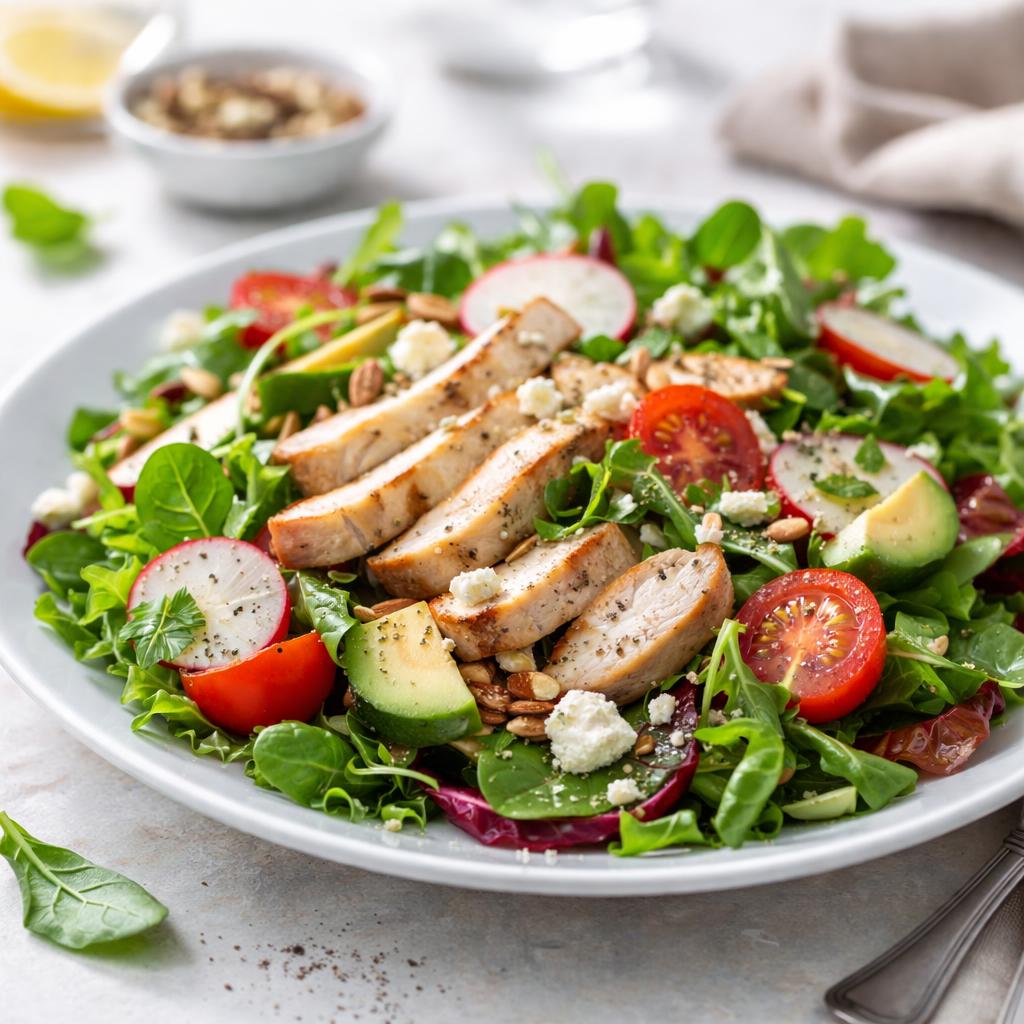
Salad
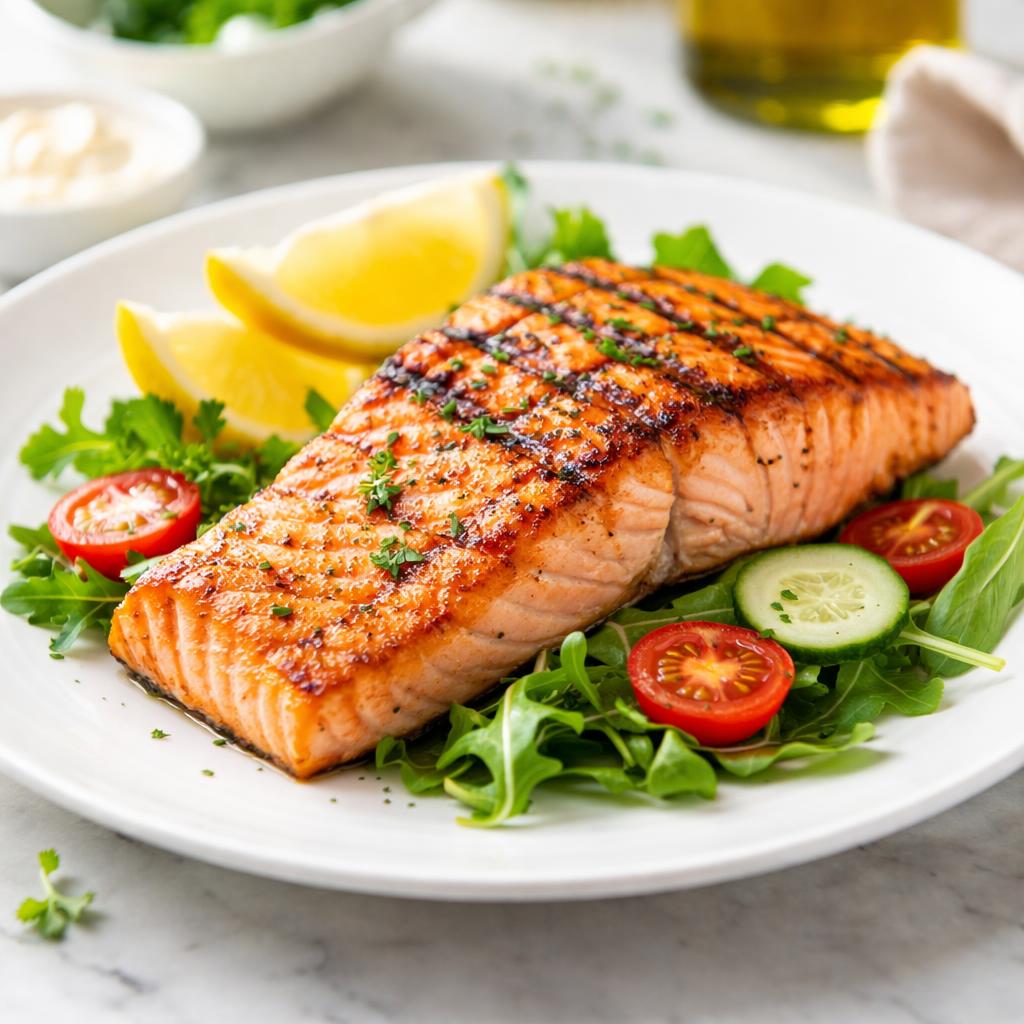
Grilled Salmon
🎯 Quick Verdict
Grilled salmon is significantly higher in protein (25g vs 2g per serving) and provides essential omega-3 fatty acids not found in a typical salad. However, salad is much lower in calories (120 vs 300 per serving) and offers more dietary fiber (3.5g vs 0g). Salmon is a great choice for muscle building and heart health, while salad is ideal for weight management and digestive health.

Smart Nutrition Tracking with SnapCalorie

📊 Nutritional Comparison
Macronutrients
| Nutrient | Food 1 | Food 2 | Winner |
|---|---|---|---|
| Calories | 120 | 300 | ✓ |
| Protein | 2g | 25g | ✓ |
| Carbs | 7g | 0g | ✓ |
| Fat | 5g | 12g | ✓ |
| Fiber | 3.5g | 0g | ✓ |
Vitamins & Minerals
| Nutrient | Food 1 | Food 2 | Winner |
|---|---|---|---|
| Vitamin D | 0mcg | 15mcg | ✓ |
| Calcium | 30mg | 10mg | ✓ |
| Iron | 1mg | 0.8mg | ✓ |
🏆 Category Winners
Protein
Food2 (grilled salmon) has 12x more protein per serving than salad.
Fiber
Food1 (salad) provides dietary fiber while food2 does not contain any fiber.
Calories
Food1 (salad) has 60% fewer calories than food2.
Vitamins
Food2 is rich in B vitamins and Vitamin D, while food1 lacks some essential vitamins.
🥗 Diet Compatibility
Keto
Food 1: Compatible
Food 2: Compatible
Both foods are low in carbohydrates and align with keto guidelines.
Vegan
Food 1: Compatible
Food 2: Not Compatible
Grilled salmon is an animal product, making it unsuitable for a vegan diet.
Gluten Free
Food 1: Compatible
Food 2: Compatible
Neither food contains gluten.
Paleo
Food 1: Compatible
Food 2: Compatible
Both foods align with paleo dietary principles.
Low-Carb
Food 1: Compatible
Food 2: Compatible
Food1 has moderate carbs, while food2 has zero carbs, making both low-carb friendly.
💪 Health Benefits Comparison
Food 1 Benefits
- Rich in fiber for digestive health
- Low calorie content supports weight management
- Contains antioxidants that help combat free radicals
- Good source of vitamins like Vitamin C and Iron
Food 2 Benefits
- Excellent source of protein for muscle growth and repair
- Rich in omega-3 fatty acids for heart and brain health
- Contains Vitamin D for bone health and immunity
- Supports overall energy due to B vitamins
✅ The Bottom Line
Grilled salmon is ideal for high-protein diets, supporting muscle growth and heart health, while salad is better suited for weight management, digestion, and vegan diets. Both are nutrient-dense choices, but their uses differ depending on dietary goals.
Choose Food 1 for: Weight loss, vegan diets, digestive health, antioxidant intake
Choose Food 2 for: High-protein diets, post-workout recovery, heart and brain health, paleo and keto lifestyles


