Salad VS Green Pepper
A detailed nutritional comparison
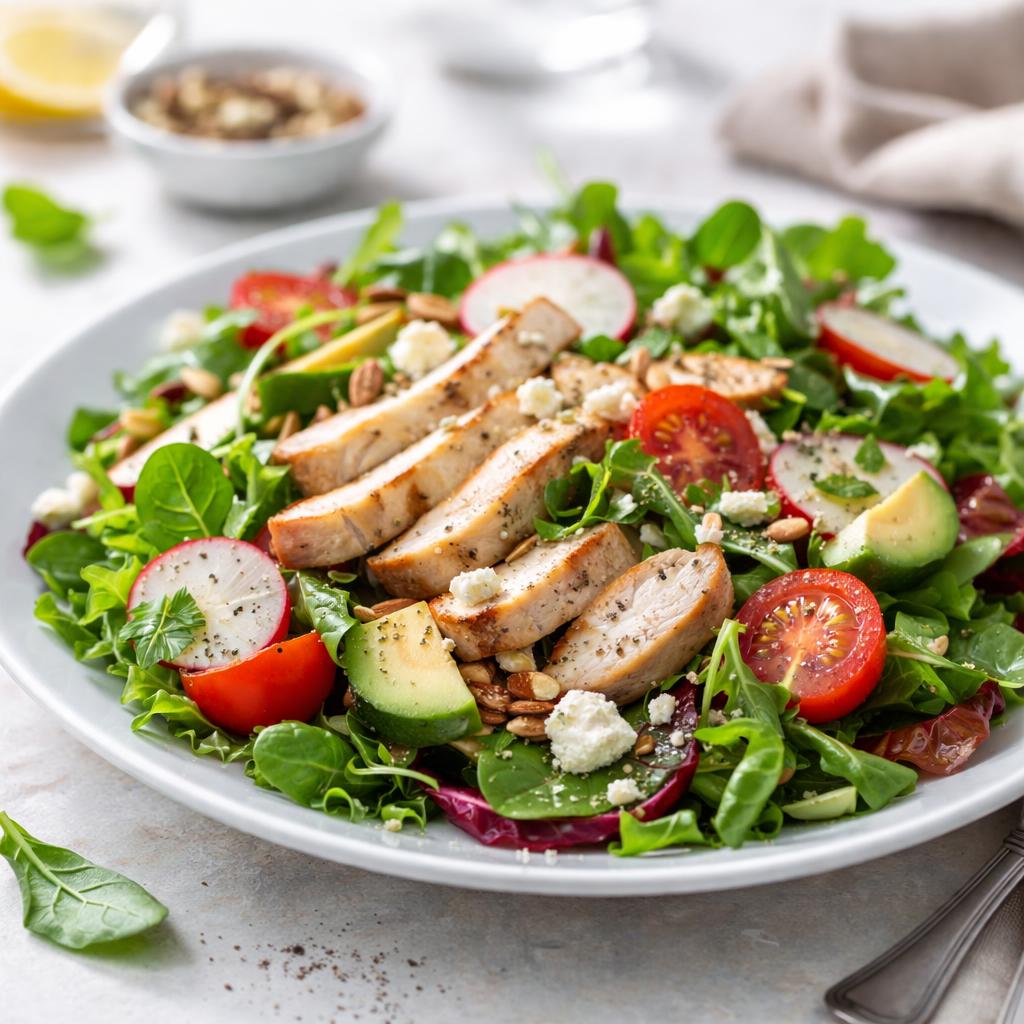
Salad
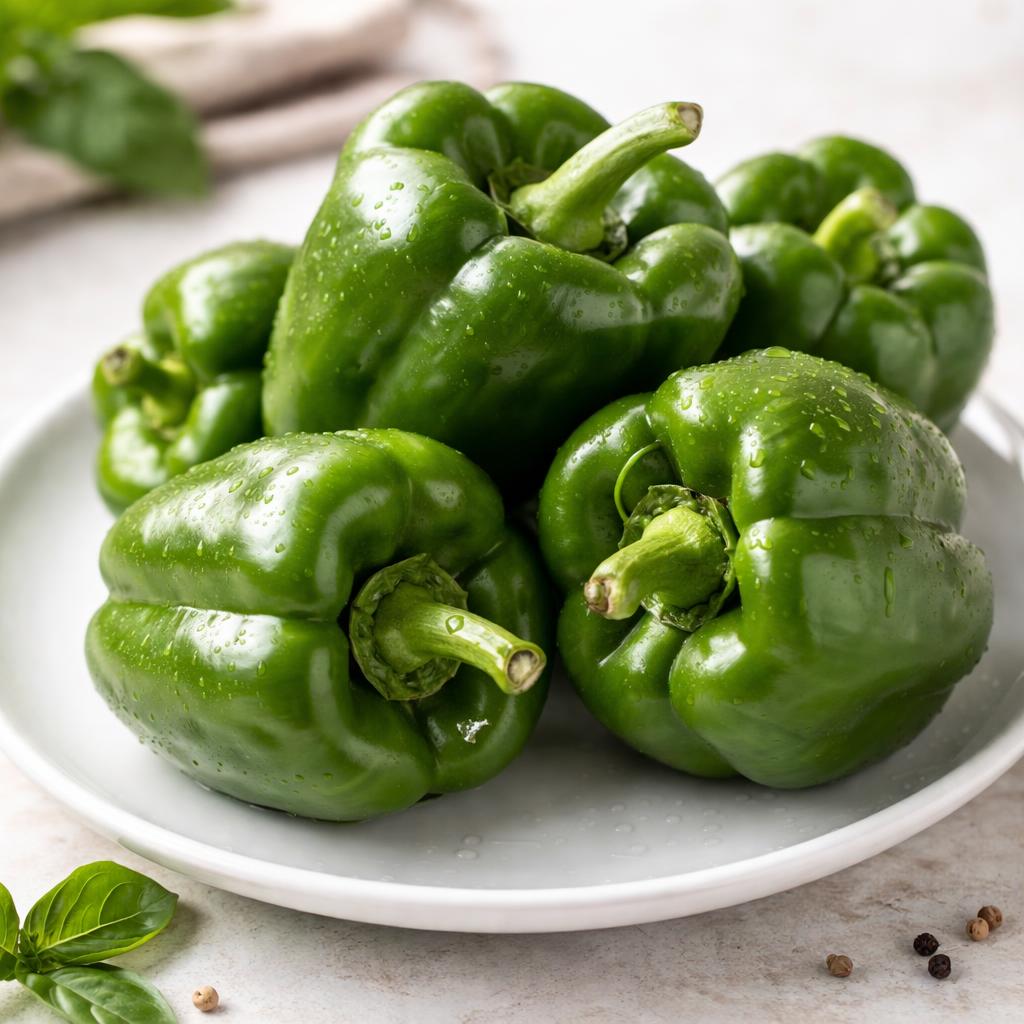
Green Pepper
🎯 Quick Verdict
Salad and green pepper are both nutrient-dense choices, but green pepper stands out for its lower calorie count and significant vitamin content, particularly vitamin C. Salad, however, provides more fiber, making it better for digestion and overall gut health. Both are great for weight management and fit into multiple dietary lifestyles.

Smart Nutrition Tracking with SnapCalorie

📊 Nutritional Comparison
Macronutrients
| Nutrient | Food 1 | Food 2 | Winner |
|---|---|---|---|
| Calories | 50 (per 100g) | 20 (per 100g) | ✓ |
| Protein | 1g (per 100g) | 1g (per 100g) | − |
| Carbs | 10g (per 100g) | 5g (per 100g) | ✓ |
| Fat | 0.5g (per 100g) | 0.4g (per 100g) | ✓ |
| Fiber | 4g (per 100g) | 1.7g (per 100g) | ✓ |
Vitamins & Minerals
| Nutrient | Food 1 | Food 2 | Winner |
|---|---|---|---|
| Vitamin C | 10mg | 80mg | ✓ |
| Vitamin K | 40mcg | 7.5mcg | ✓ |
| Folate | 20mcg | 10mcg | ✓ |
🏆 Category Winners
Protein
Both foods contain an equal amount of protein (1g per 100g).
Fiber
Salad provides over twice the fiber content of green pepper, aiding digestion.
Calories
Green pepper has 60% fewer calories than salad.
Vitamins
Green pepper is vastly richer in vitamin C, supporting immune function.
🥗 Diet Compatibility
Keto
Food 1: Compatible
Food 2: Compatible
Both foods are low in carbs and can be consumed on keto diets.
Vegan
Food 1: Compatible
Food 2: Compatible
Both foods are plant-based and suitable for vegans.
Gluten Free
Food 1: Compatible
Food 2: Compatible
Neither food contains gluten.
Paleo
Food 1: Compatible
Food 2: Compatible
Both are unprocessed whole foods and adhere to paleo guidelines.
Low Carb
Food 1: Compatible
Food 2: Compatible
Both are low in carbohydrate content, ideal for low-carb diets.
💪 Health Benefits Comparison
Food 1 Benefits
- High in fiber for improved digestion
- Rich in vitamin K, supporting bone health
- Good source of folate for cellular health
- Low in calories to support weight management
Food 2 Benefits
- Extremely high in vitamin C for immune health
- Low in calories, aiding weight loss efforts
- Contains antioxidants for cellular protection
- Supports hydration due to high water content
✅ The Bottom Line
Both salad and green pepper are excellent low-calorie additions to a healthy diet, but they serve slightly different purposes. Choose salad for fiber and a broader range of vitamins like vitamin K and folate, making it ideal for digestion and bone health. Green pepper excels in immunity support with its abundant vitamin C and significantly lower calorie count.
Choose Food 1 for: Digestive health, bone health, folate intake
Choose Food 2 for: Immune support, hydration, calorie control


