Salad VS Greek Yogurt
A detailed nutritional comparison
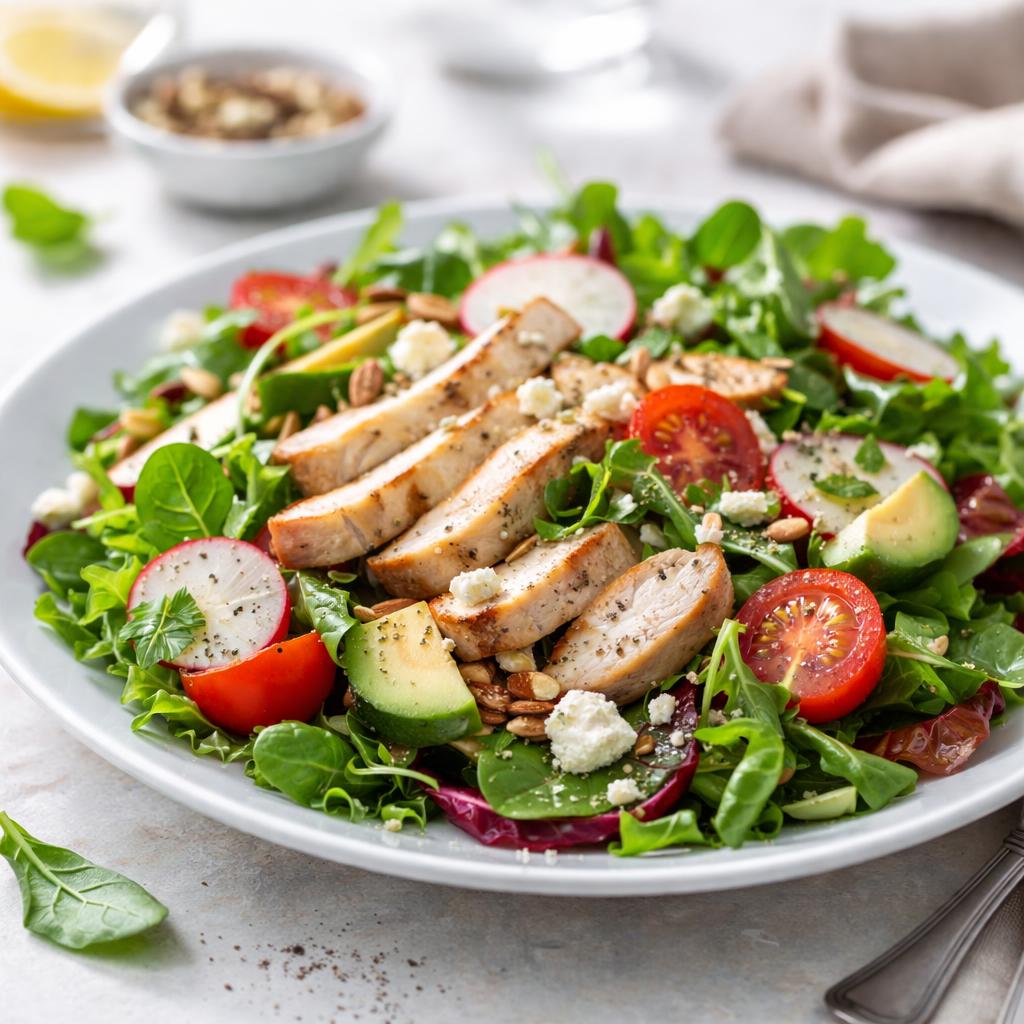
Salad

Greek Yogurt
🎯 Quick Verdict
Salad is lower in calories (30-50 per serving) and provides more fiber, making it ideal for weight loss and digestive health. Greek yogurt, on the other hand, is rich in protein (10-15g per serving), making it better for muscle building and satiety. Choose salad for a light meal or side, and Greek yogurt for a higher-protein snack or breakfast option.

Smart Nutrition Tracking with SnapCalorie

📊 Nutritional Comparison
Macronutrients
| Nutrient | Food 1 | Food 2 | Winner |
|---|---|---|---|
| Calories | 40 | 100 | ✓ |
| Protein | 2g | 12g | ✓ |
| Carbs | 5g | 7g | ✓ |
| Fat | 0g | 4g | ✓ |
| Fiber | 2g | 0g | ✓ |
Vitamins & Minerals
| Nutrient | Food 1 | Food 2 | Winner |
|---|---|---|---|
| Vitamin A | 1600 IU | 0 IU | ✓ |
| Calcium | 15mg | 150mg | ✓ |
| Vitamin C | 10mg | 0mg | ✓ |
| Iron | 0.5mg | 0.1mg | ✓ |
| Vitamin D | 0 IU | 10 IU | ✓ |
🏆 Category Winners
Protein
Greek yogurt has 6x more protein than salad.
Fiber
Salad contains 2g of fiber, while Greek yogurt has none.
Calories
Salad is very low in calories at 40 per serving compared to Greek yogurt's 100 calories.
Vitamins
Salad offers more Vitamin A, Vitamin C, and iron, while Greek yogurt is stronger in calcium and Vitamin D.
🥗 Diet Compatibility
Keto
Food 1: Compatible
Food 2: Compatible
Both are low in net carbs with minimal sugar content (depending on yogurt type).
Vegan
Food 1: Compatible
Food 2: Not Compatible
Salad is vegan-friendly, but Greek yogurt is dairy-based.
Gluten Free
Food 1: Compatible
Food 2: Compatible
Neither contains gluten, making both gluten-free safe.
Paleo
Food 1: Compatible
Food 2: Not Compatible
Salad aligns with paleo principles, while Greek yogurt does not due to dairy.
Low Carb
Food 1: Compatible
Food 2: Compatible
Both have less than 10g of carbs per serving, suitable for low-carb diets.
💪 Health Benefits Comparison
Food 1 Benefits
- Rich in fiber for improved digestion and gut health
- Low-calorie option for weight management
- High in Vitamin A for eye health
- Contains Vitamin C for immune system support
Food 2 Benefits
- High in protein for muscle repair and satiety
- Rich in calcium for strong bones and teeth
- Provides Vitamin D for bone density and immune health
- Contains probiotics for supporting gut microbiota
✅ The Bottom Line
If you're looking to reduce calories or add fiber to your diet, salad is the better choice, especially as a light meal or side. Greek yogurt is superior for those seeking a protein-rich snack, particularly post-workout or for breakfast. Consider your dietary goals when choosing between the two.
Choose Food 1 for: Weight loss, boosting fiber intake, vegan and paleo diets
Choose Food 2 for: Protein boost, gut health from probiotics, bone health from calcium and Vitamin D


