Salad VS Dried Cranberries
A detailed nutritional comparison
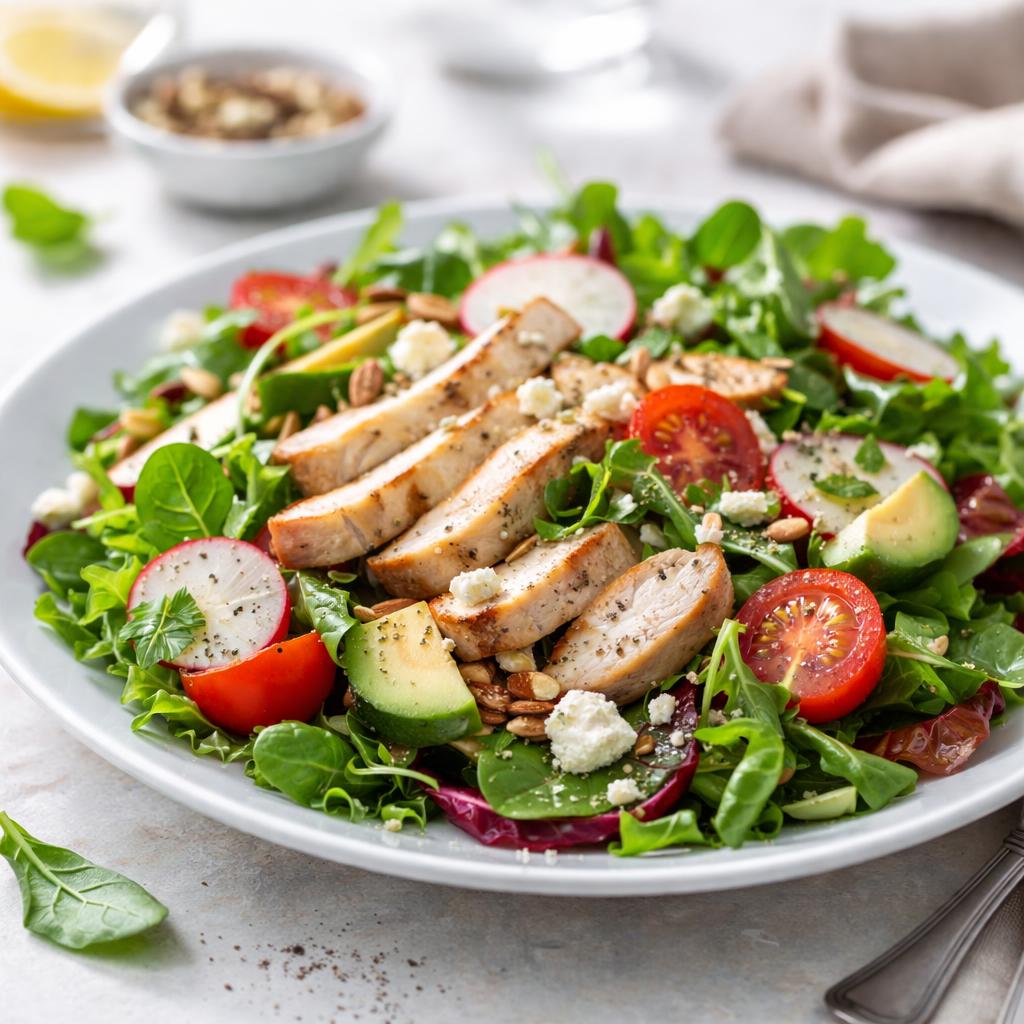
Salad
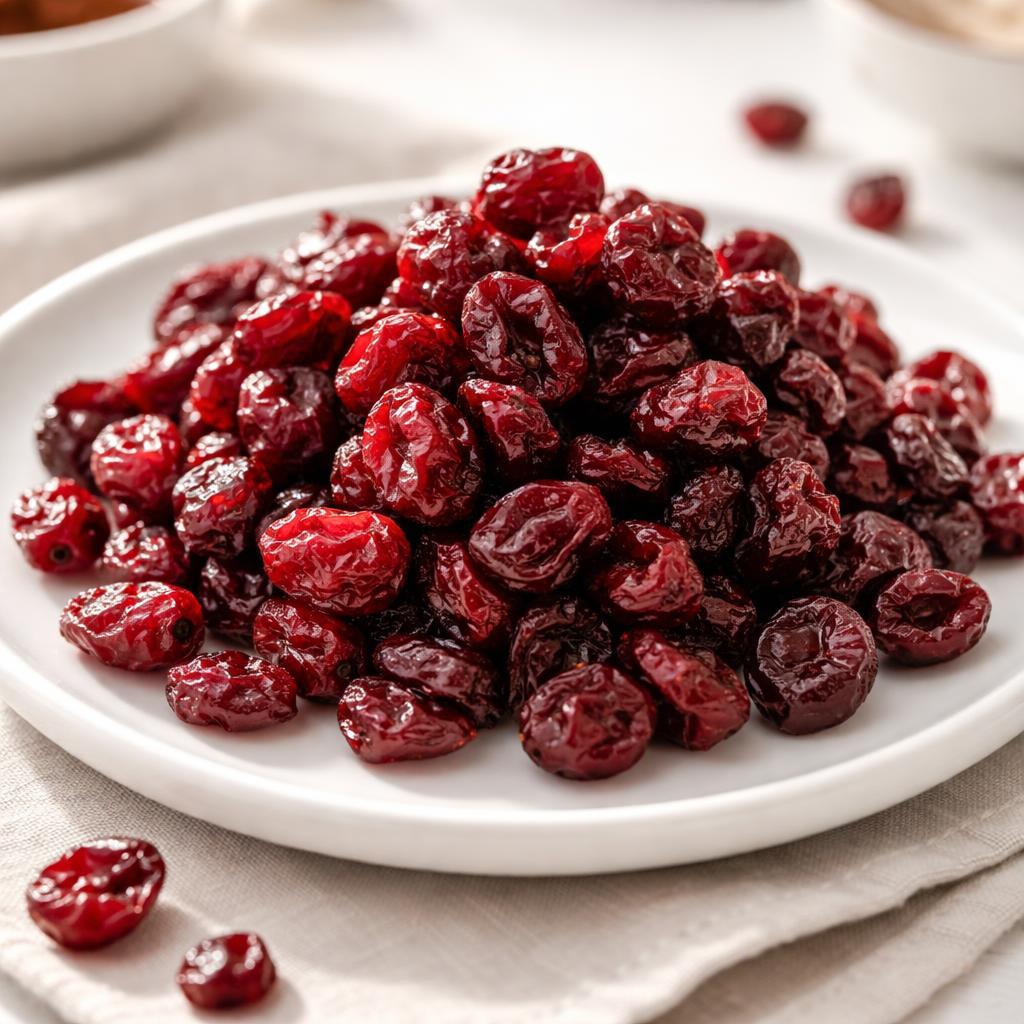
Dried Cranberries
🎯 Quick Verdict
Salad and dried cranberries differ significantly in nutritional profiles. Salad is lower in calories and packed with fiber, protein, and vitamins, making it a nutrient-dense and diet-friendly choice. Dried cranberries, while sweeter and calorie-dense, offer antioxidants and quick energy due to their carbohydrate content, ideal for performance-focused diets or snacks.

Smart Nutrition Tracking with SnapCalorie

📊 Nutritional Comparison
Macronutrients
| Nutrient | Food 1 | Food 2 | Winner |
|---|---|---|---|
| Calories | 20 | 120 | ✓ |
| Protein | 2g | 0g | ✓ |
| Carbs | 4g | 33g | ✓ |
| Fat | 0.2g | 0g | ✓ |
| Fiber | 1.8g | 0.9g | ✓ |
Vitamins & Minerals
| Nutrient | Food 1 | Food 2 | Winner |
|---|---|---|---|
| Vitamin C | 15mg | 0mg | ✓ |
| Vitamin K | 75mcg | 6mcg | ✓ |
| Potassium | 170mg | 50mg | ✓ |
| Iron | 0.7mg | 0.1mg | ✓ |
🏆 Category Winners
Protein
Salad contains 2g protein per serving while dried cranberries offer none.
Fiber
Salad provides 1.8g of fiber per serving, twice that of dried cranberries.
Calories
Salad is significantly lower in calories at 20 kcal per serving versus 120 kcal for dried cranberries.
🥗 Diet Compatibility
Keto
Food 1: Compatible
Food 2: Not Compatible
Salad is low-carb while dried cranberries are high in sugar and carbs.
Vegan
Food 1: Compatible
Food 2: Compatible
Both foods are plant-based and appropriate for vegan diets.
Gluten Free
Food 1: Compatible
Food 2: Compatible
Neither food contains gluten.
Paleo
Food 1: Compatible
Food 2: Compatible
Both are natural, unprocessed foods that fit paleo diets.
Low Carb
Food 1: Compatible
Food 2: Not Compatible
Salad has only 4g of carbs per serving versus 33g in dried cranberries.
💪 Health Benefits Comparison
Food 1 Benefits
- Low-calorie, nutrient-dense option for weight management
- High in fiber to support digestion and gut health
- Provides vitamins C, K, and potassium for immune and bone health
Food 2 Benefits
- Good source of quick energy from natural sugars
- Rich in antioxidants that support cellular health
- Pairs well with nuts or seeds for nutrient-dense snacking
✅ The Bottom Line
Salad is the better choice for nutrient density, weight management, and fiber or protein needs. Dried cranberries excel in providing quick energy and antioxidants, making them better suited for snacking or pairing with other nutrient-rich foods like nuts and seeds. Choose salad for balanced meals and dried cranberries for occasional, energy-boosting snacks.
Choose Food 1 for: Weight management, nutrient-rich meals, low-carb diets
Choose Food 2 for: Quick energy, antioxidants, pairing with snacks like nuts or yogurt


