Salad VS Chips
A detailed nutritional comparison
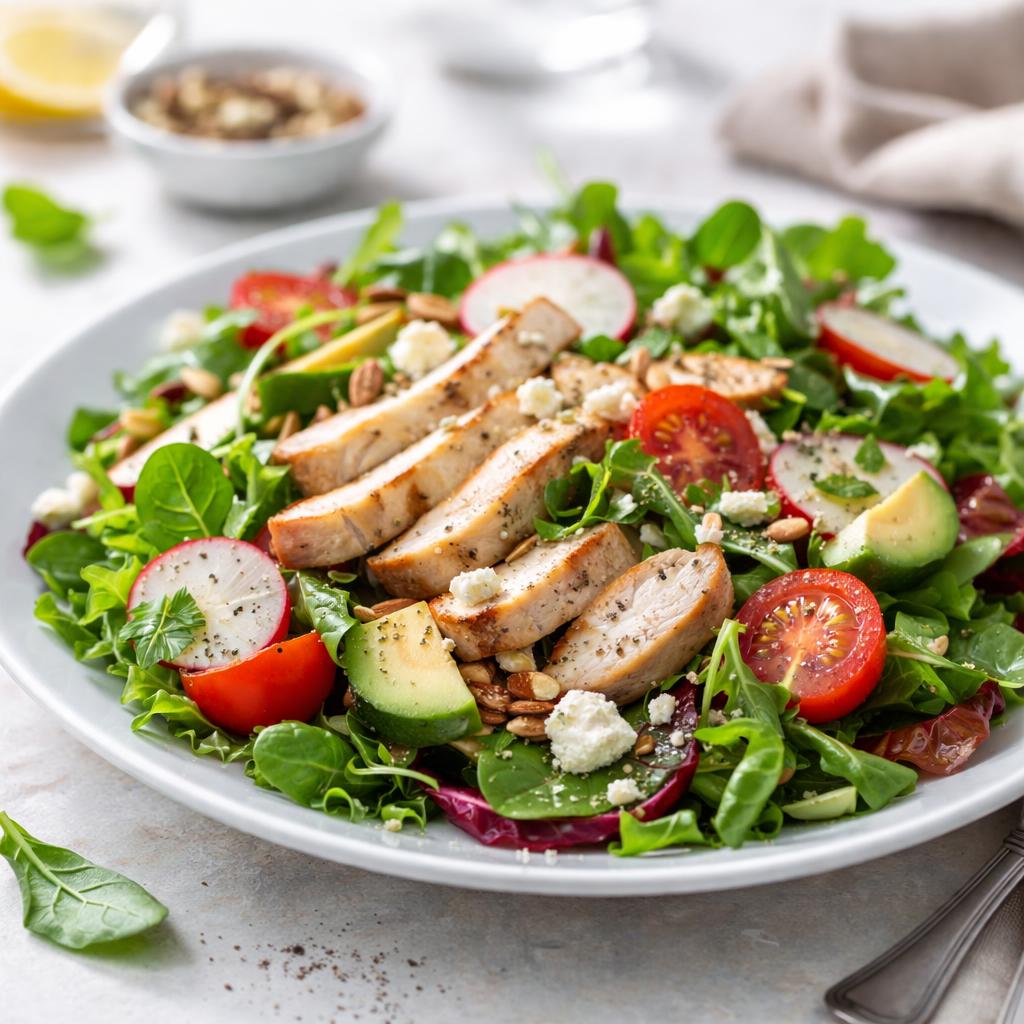
Salad
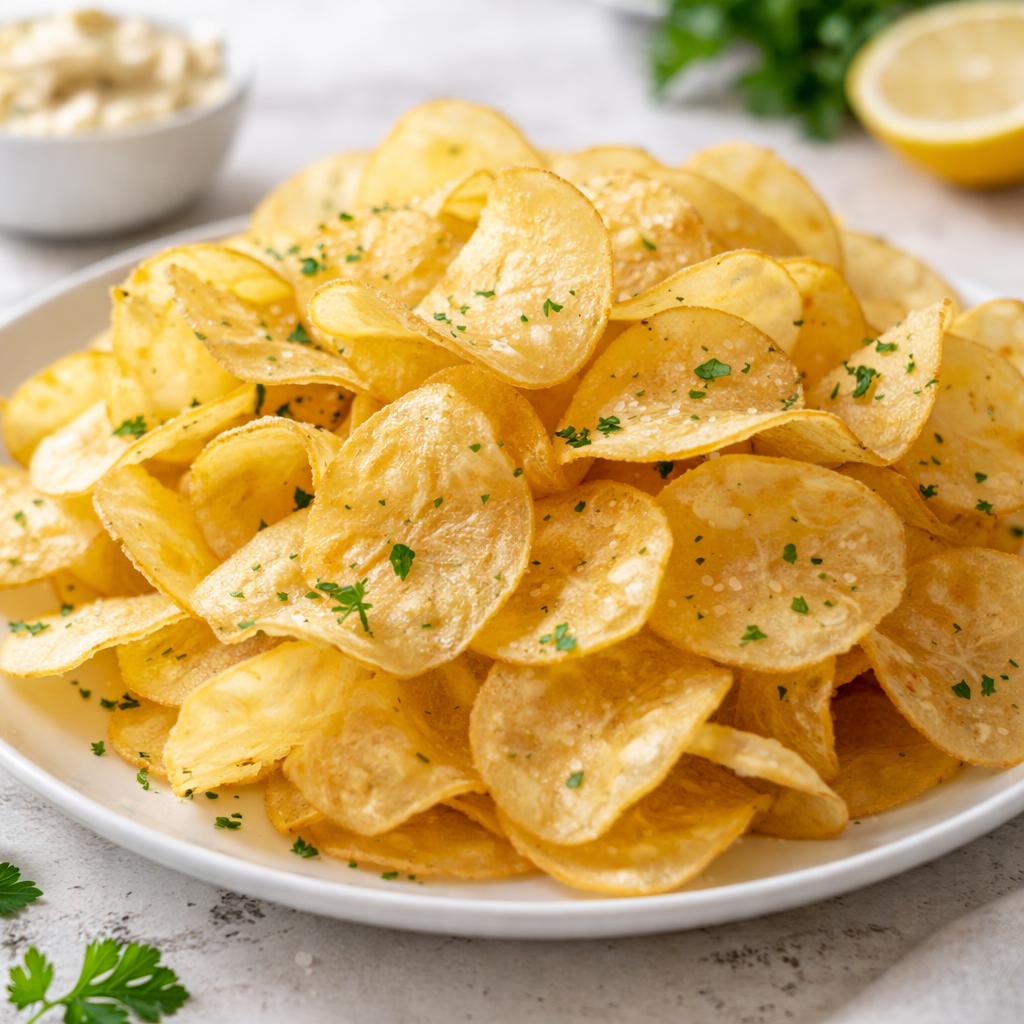
Chips
🎯 Quick Verdict
Salad and chips differ significantly in nutritional value. Salad is lower in calories, higher in protein, and contains fiber, vitamins, and minerals. Chips are calorie-dense and provide more fat, but lack essential micronutrients. Choose salad for nutrient density and chips for occasional indulgence or quick energy boost.

Smart Nutrition Tracking with SnapCalorie

📊 Nutritional Comparison
Macronutrients
| Nutrient | Food 1 | Food 2 | Winner |
|---|---|---|---|
| Calories | 150 | 200 | ✓ |
| Protein | 3g | 2g | ✓ |
| Carbs | 10g | 25g | ✓ |
| Fat | 4g | 12g | ✓ |
| Fiber | 3g | 1g | ✓ |
Vitamins & Minerals
| Nutrient | Food 1 | Food 2 | Winner |
|---|---|---|---|
| Vitamin C | 15mg | 0mg | ✓ |
| Vitamin A | 300mcg | 0mcg | ✓ |
| Vitamin D | 0mcg | 0mcg | − |
| Iron | 2mg | 0.5mg | ✓ |
🏆 Category Winners
Protein
Salad contains 50% more protein than chips.
Fiber
Salad provides three times more fiber compared to chips.
Calories
Salad is 25% lower in calories per serving.
Vitamins
Salad offers significantly higher levels of Vitamin C, Vitamin A, and Iron.
🥗 Diet Compatibility
Keto
Food 1: Compatible
Food 2: Not Compatible
Salad is low-carb and fits into keto guidelines.
Vegan
Food 1: Compatible
Food 2: Compatible
Both foods are plant-based.
Gluten Free
Food 1: Compatible
Food 2: Compatible
Neither food contains gluten.
Paleo
Food 1: Compatible
Food 2: Not Compatible
Salad fits paleo guidelines, chips do not due to processing and additives.
Low Carb
Food 1: Compatible
Food 2: Not Compatible
Food1 has significantly lower carb content (10g vs 25g per serving).
💪 Health Benefits Comparison
Food 1 Benefits
- Rich in vitamins (Vitamin C, A) for immunity and eye health.
- Contains fiber for improved digestion and gut health.
- Low in calories and fat, beneficial for weight management.
- Provides important minerals like iron for energy production.
Food 2 Benefits
- High in energy-dense fats for quick energy boost.
- May provide satisfaction and enjoyment (indirect psychological benefit).
- Can be a source of sodium to replenish after excessive sweating.
- Offers some carbohydrates for short-term energy.
✅ The Bottom Line
Choose salad for balanced nutrition, weight management, and sustained energy. Opt for chips as an occasional snack when craving quick satisfaction or energy, but balance with other nutrient-rich foods.
Choose Food 1 for: Weight loss, nutrient density, balanced diets, digestive health.
Choose Food 2 for: Quick energy, occasional indulgence, high-fat diets.


