Salad VS Chicken Tikka Masala
A detailed nutritional comparison
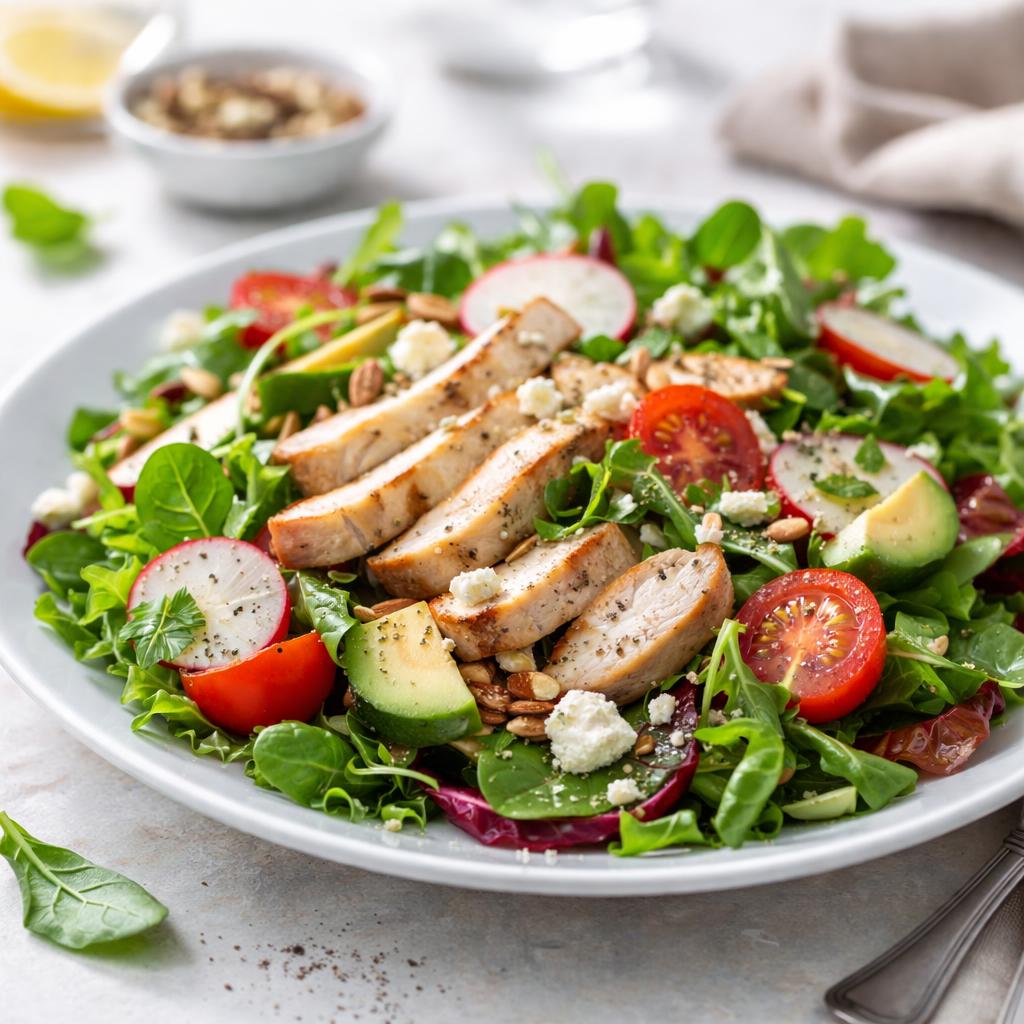
Salad
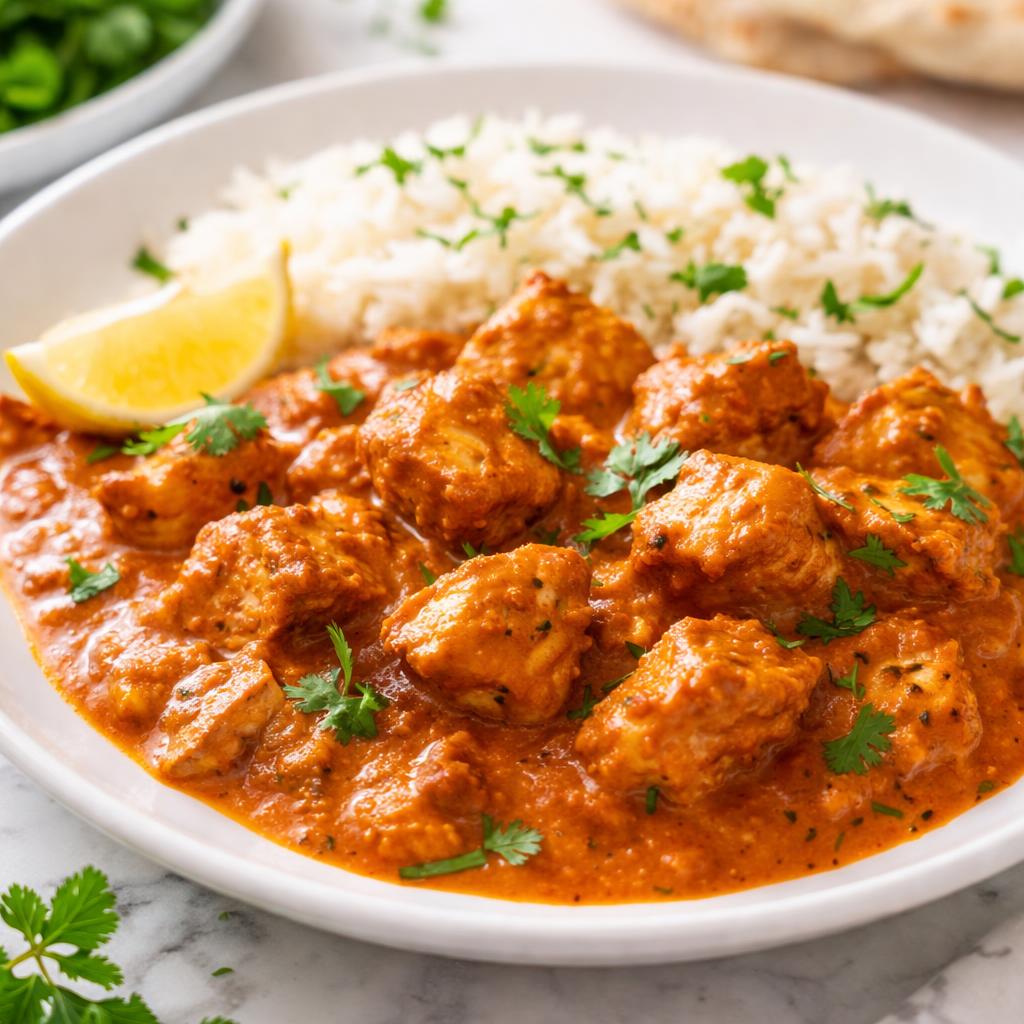
Chicken Tikka Masala
🎯 Quick Verdict
Salad is a low-calorie, high-fiber food primarily composed of leafy greens and vegetables, ideal for weight management and improving digestion. Chicken tikka masala provides high protein and more calories, suitable for muscle growth and energy needs. Choose salad for light meals and tikka masala for a hearty, nutrient-dense option.

Smart Nutrition Tracking with SnapCalorie

📊 Nutritional Comparison
Macronutrients
| Nutrient | Food 1 | Food 2 | Winner |
|---|---|---|---|
| Calories | 100 | 400 | ✓ |
| Protein | 3g | 25g | ✓ |
| Carbs | 12g | 15g | ✓ |
| Fat | 1g | 20g | ✓ |
| Fiber | 4g | 2g | ✓ |
Vitamins & Minerals
| Nutrient | Food 1 | Food 2 | Winner |
|---|---|---|---|
| Vitamin A | 1500 IU | 500 IU | ✓ |
| Vitamin C | 40mg | 10mg | ✓ |
| Calcium | 50mg | 100mg | ✓ |
| Iron | 2mg | 4mg | ✓ |
🏆 Category Winners
Protein
Chicken tikka masala has 8x more protein compared to salad.
Fiber
Salad contains twice the fiber found in chicken tikka masala.
Calories
Salad is significantly lower in calories, making it a better weight-loss option.
Vitamins
Salad provides higher levels of essential vitamins like A and C.
🥗 Diet Compatibility
Keto
Food 1: Compatible
Food 2: Not Compatible
Salad is low-carb (12g per serving), while tikka masala is higher due to its sauce content and carbohydrate additions.
Vegan
Food 1: Compatible
Food 2: Not Compatible
Salad can be made vegan, while chicken tikka masala contains meat and dairy.
Gluten Free
Food 1: Compatible
Food 2: Not Compatible
Salad is naturally gluten-free; tikka masala can contain gluten from certain ingredients like naan or additives.
Paleo
Food 1: Compatible
Food 2: Not Compatible
Salad fits a paleo diet, while tikka masala may contain dairy or grains that are excluded.
Low-Carb
Food 1: Compatible
Food 2: Partially Compatible
Salad is more suitable for low-carb diets compared to tikka masala, which usually has moderate carbohydrate levels.
💪 Health Benefits Comparison
Food 1 Benefits
- Low calorie option for weight management
- High in fiber to improve digestion and gut health
- Rich in vitamins A and C for immune support
- Provides antioxidants to reduce inflammation
Food 2 Benefits
- High protein content to support muscle growth and repair
- Contains healthy fats for sustained energy and heart health
- Rich in iron and calcium for strong bones and improved oxygen delivery
- Can be a satisfying and energizing meal for active lifestyles
✅ The Bottom Line
Salad is best for light meals, weight loss, and low-carb diets, especially if you're focusing on fiber and vitamins. Chicken tikka masala offers a high-protein option, suitable for those looking to fuel intense workouts or gain muscle, though it is higher in calories and fat. Both can play different roles depending on your dietary goals.
Choose Food 1 for: Weight loss, digestive health, vegan and paleo diets
Choose Food 2 for: Muscle building, energy sustenance, nutrient density


