Salad VS Chicken Breast
A detailed nutritional comparison
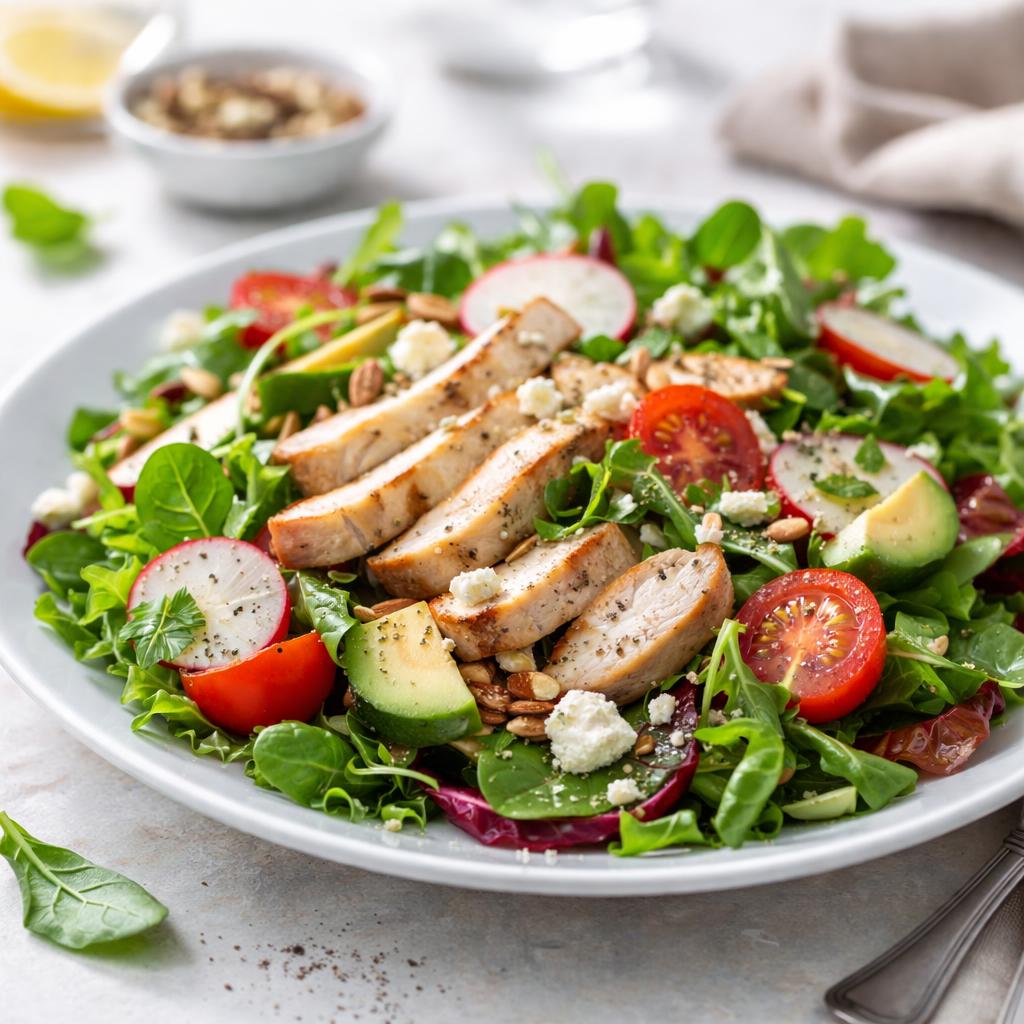
Salad
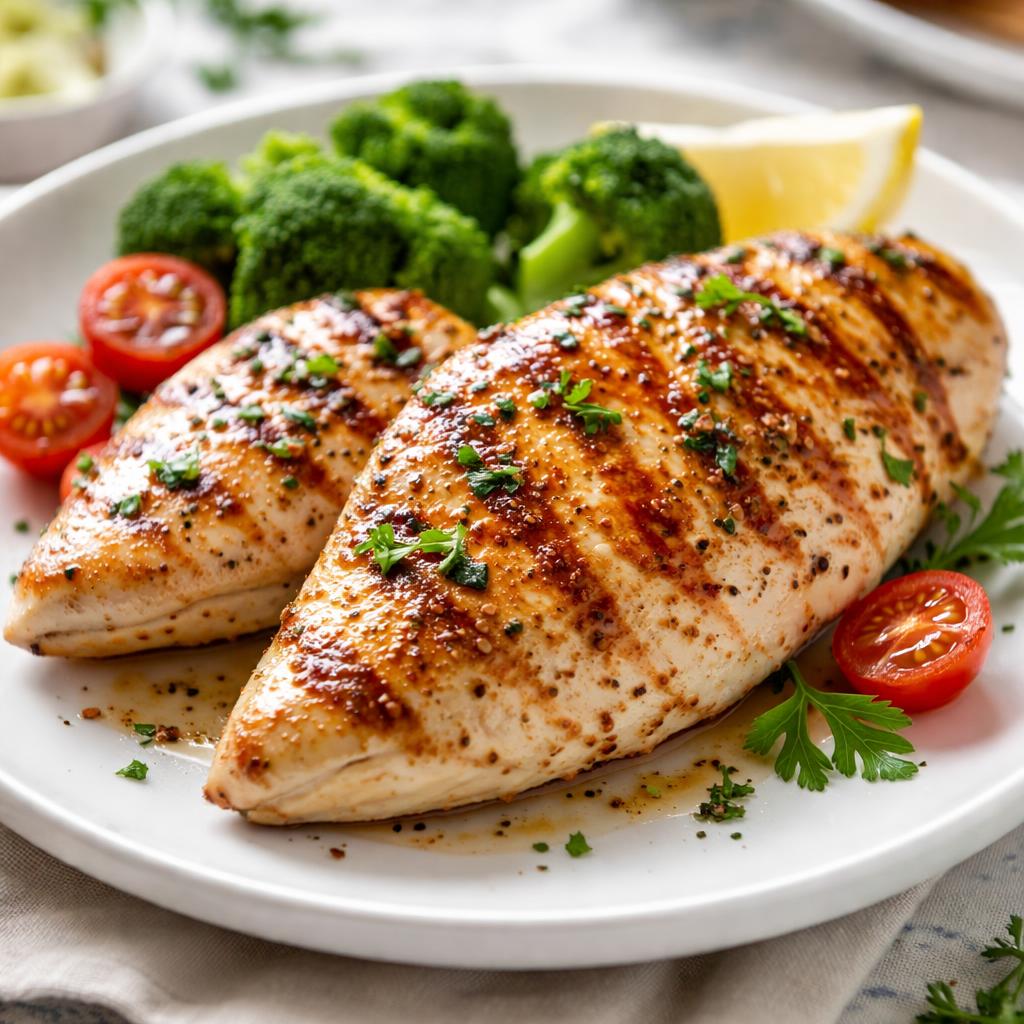
Chicken Breast
🎯 Quick Verdict
Chicken breast is significantly higher in protein (essential for muscle building), while salad provides more fiber and fewer calories, making it ideal for digestion and weight management. Chicken breast is excellent for active individuals seeking protein, while salad is versatile as a side or lighter main dish packed with vitamins and fiber.

Smart Nutrition Tracking with SnapCalorie

📊 Nutritional Comparison
Macronutrients
| Nutrient | Food 1 | Food 2 | Winner |
|---|---|---|---|
| Calories | 50 | 165 | ✓ |
| Protein | 2g | 31g | ✓ |
| Carbs | 10g | 0g | ✓ |
| Fat | 0g | 3.6g | ✓ |
| Fiber | 4g | 0g | ✓ |
Vitamins & Minerals
| Nutrient | Food 1 | Food 2 | Winner |
|---|---|---|---|
| Vitamin A | 2500IU | 5IU | ✓ |
| Vitamin C | 10mg | 0mg | ✓ |
| Vitamin B6 | 0.2mg | 0.6mg | ✓ |
| Iron | 1mg | 0.9mg | ✓ |
🏆 Category Winners
Protein
Chicken breast contains 15 times more protein than salad, making it the superior protein source.
Fiber
Salad provides 4g of fiber per serving, while chicken breast has none.
Calories
Salad has 70% fewer calories than chicken breast, which makes it ideal for low-calorie diets.
Vitamins
Salad is rich in Vitamin A and C, while chicken breast predominantly offers Vitamin B6.
🥗 Diet Compatibility
Keto
Food 1: Compatible
Food 2: Compatible
Both foods align with a keto diet; salad provides minimal carbs, and chicken is carb-free.
Vegan
Food 1: Compatible
Food 2: Not Compatible
Salad is plant-based, while chicken breast is an animal product.
Gluten Free
Food 1: Compatible
Food 2: Compatible
Neither food contains gluten.
Paleo
Food 1: Compatible
Food 2: Compatible
Both are unprocessed whole foods acceptable on a paleo diet.
Low-Carb
Food 1: Compatible
Food 2: Compatible
Chicken breast is carb-free, and salad is low-carb with only 10g of carbs per serving.
💪 Health Benefits Comparison
Food 1 Benefits
- High in dietary fiber for improved digestion and regularity
- Excellent source of vitamins A and C for immune health and eye protection
- Low-calorie option for weight loss and light meals
- Rich in antioxidants that support overall wellness
Food 2 Benefits
- High-quality lean protein for muscle building and tissue repair
- Low in fat, especially saturated fat, supporting heart health
- Excellent source of Vitamin B6, aiding brain function and metabolism
- Great for post-workout recovery due to protein and amino acid content
✅ The Bottom Line
Choose chicken breast if you need high protein for muscle repair and maintenance, especially after workouts or as a meal centerpiece. Salad is ideal for light meals, weight loss, digestion, and as a nutrient-packed side dish. Combine the two for a balanced and nutritious meal to maximize protein and fiber intake.
Choose Food 1 for: Low-calorie diets, digestion, light meals, vegan options
Choose Food 2 for: Muscle gain, high-protein diets, post-workout meals, low-carb diets


