Salad VS Cherry Tomatoes
A detailed nutritional comparison
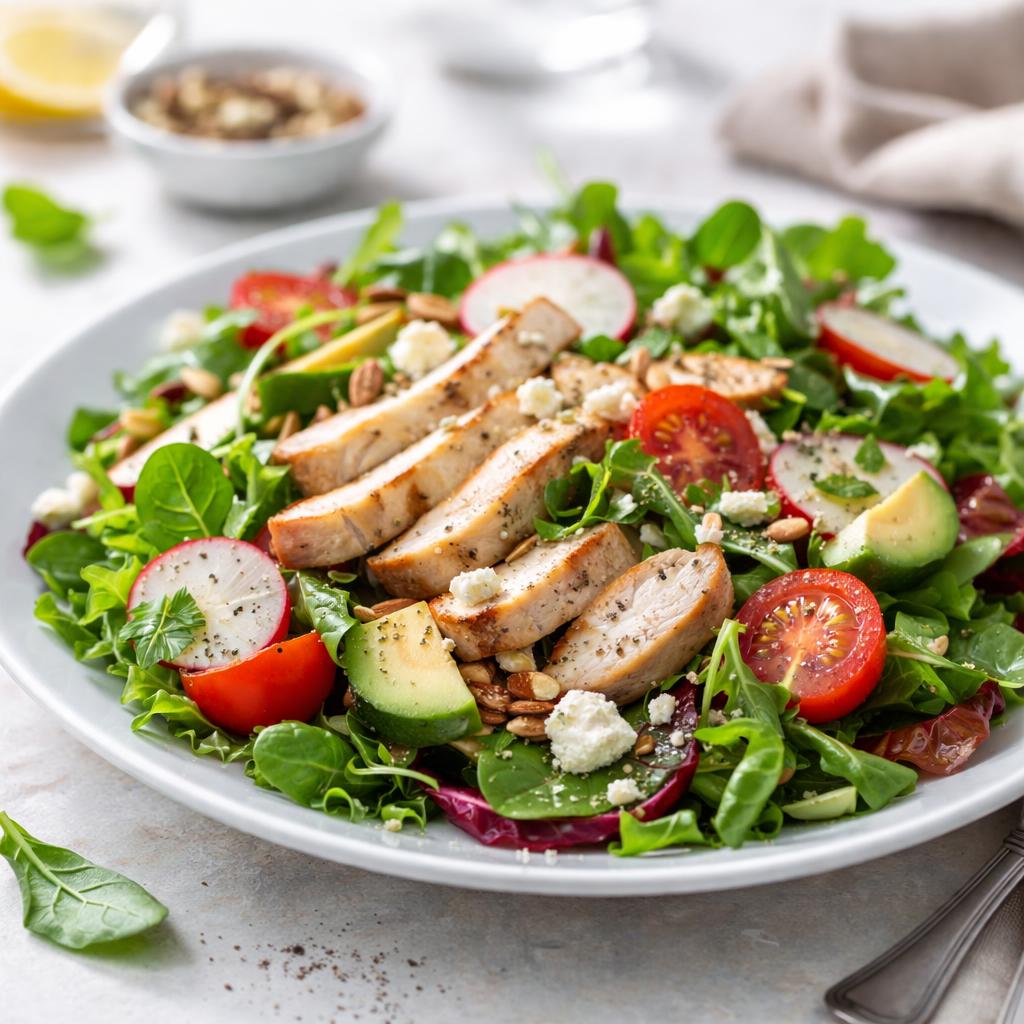
Salad
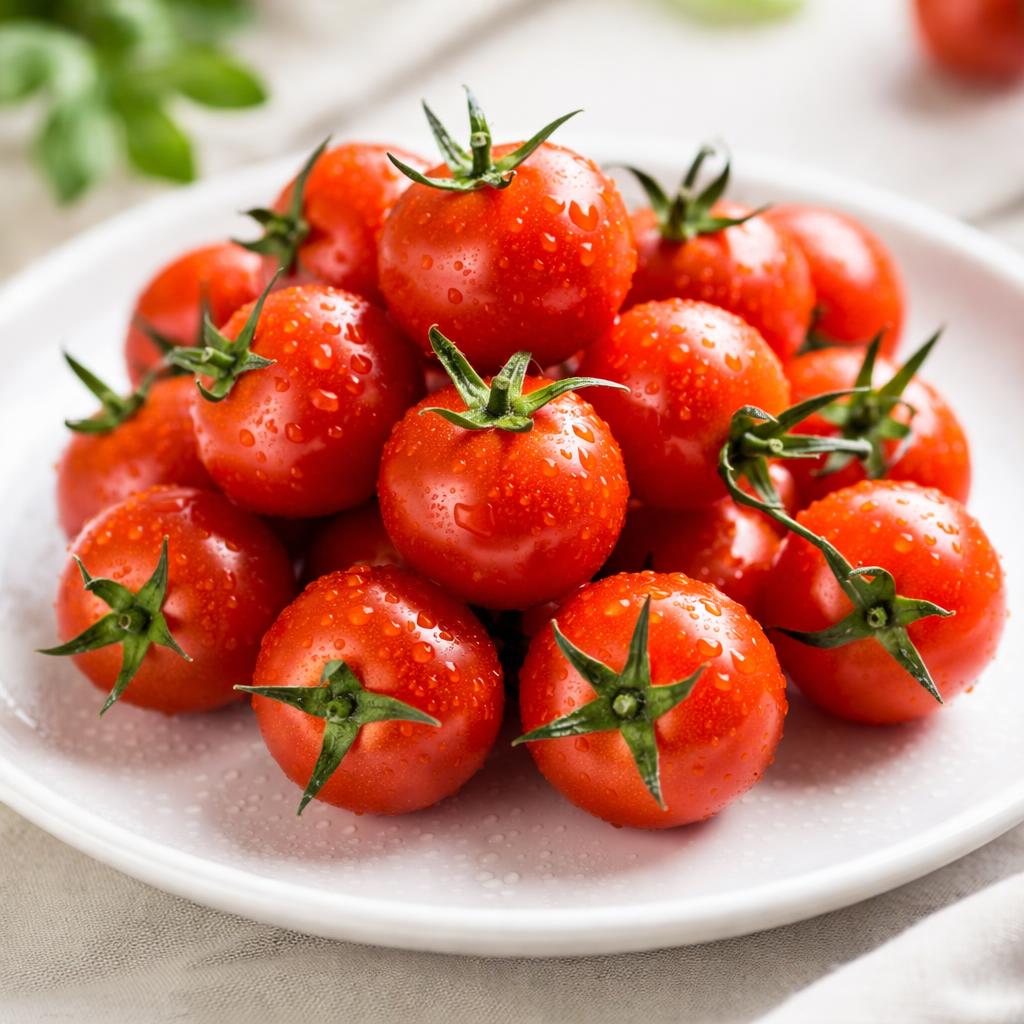
Cherry Tomatoes
🎯 Quick Verdict
Salad and cherry tomatoes are both nutrient-dense, low-calorie foods ideal for healthy eating. Salad offers higher protein and fiber, making it better for satiety and digestion. Cherry tomatoes, with their vibrant color, are rich in antioxidants like lycopene and vitamin C, which support heart health and immunity.

Smart Nutrition Tracking with SnapCalorie

📊 Nutritional Comparison
Macronutrients
| Nutrient | Food 1 | Food 2 | Winner |
|---|---|---|---|
| Calories | 15 per cup | 15 per cup | − |
| Protein | 1g | 0.7g | ✓ |
| Carbs | 3g | 3g | − |
| Fat | 0.1g | 0.2g | − |
| Fiber | 1.5g | 0.9g | ✓ |
Vitamins & Minerals
| Nutrient | Food 1 | Food 2 | Winner |
|---|---|---|---|
| Vitamin C | 9mg | 15mg | ✓ |
| Vitamin A | 25mcg | 1025mcg | ✓ |
| Potassium | 120mg | 340mg | ✓ |
| Calcium | 10mg | 7mg | ✓ |
| Iron | 0.3mg | 0.4mg | ✓ |
🏆 Category Winners
Protein
Food1 (salad) provides slightly more protein per cup, making it better for maintaining muscle mass.
Fiber
Food1 has 67% more fiber per cup, which aids digestion and satiety.
Calories
Both foods are extremely low-calorie with 15 calories per cup.
Vitamins
Food2 (cherry tomatoes) excels in vitamin C, vitamin A, and potassium content, which support immunity and heart health.
🥗 Diet Compatibility
Keto
Food 1: Compatible
Food 2: Compatible
Both are low in carbs and suitable for keto diets.
Vegan
Food 1: Compatible
Food 2: Compatible
Both are plant-based and fit vegan diets.
Gluten Free
Food 1: Compatible
Food 2: Compatible
Both are naturally gluten-free.
Paleo
Food 1: Compatible
Food 2: Compatible
Both fit within paleo guidelines as whole, unprocessed foods.
Low Carb
Food 1: Compatible
Food 2: Compatible
Both are low-carb, with less than 5g of carbs per cup.
💪 Health Benefits Comparison
Food 1 Benefits
- Rich in fiber for improved digestion and satiety
- Low calorie and ideal for weight loss diets
- Source of minerals like calcium for bone health
Food 2 Benefits
- High in antioxidants such as lycopene for heart health
- Vitamin C boosts skin health and immunity
- Good source of potassium to regulate blood pressure
✅ The Bottom Line
Choose salad when you need more fiber, protein, and a filling base for meals. Opt for cherry tomatoes for a vitamin-packed, flavorful addition to snacks or dishes. Both are excellent low-calorie, nutrient-dense options depending on your goals.
Choose Food 1 for: Weight loss, digestion, meal bases
Choose Food 2 for: Heart health, immune support, snacking


