Salad VS Capsicum
A detailed nutritional comparison
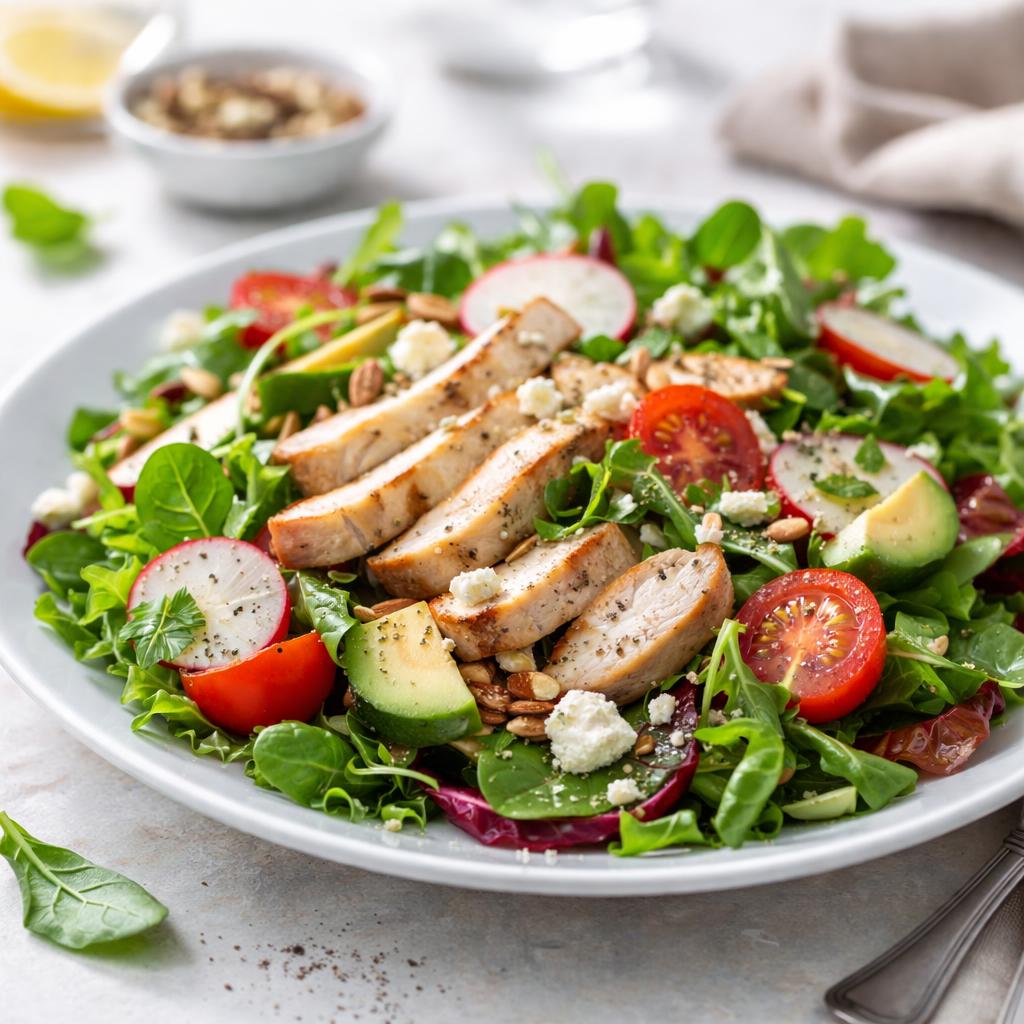
Salad
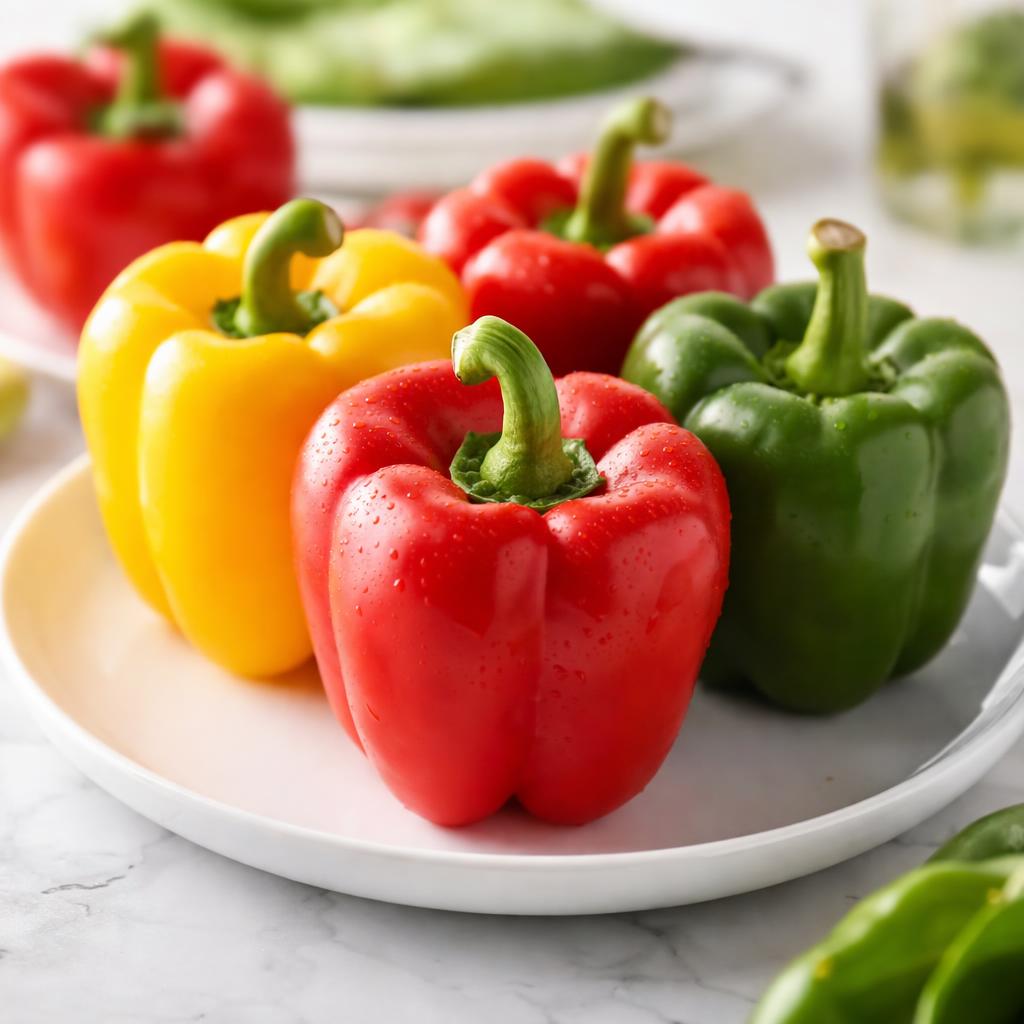
Capsicum
🎯 Quick Verdict
Salad and capsicum differ mainly in fiber and nutrient density. Salad provides more fiber and versatility in diets, while capsicum delivers higher vitamin C content and antioxidants. Both are low-calorie options suitable for weight maintenance or healthy eating habits.

Smart Nutrition Tracking with SnapCalorie

📊 Nutritional Comparison
Macronutrients
| Nutrient | Food 1 | Food 2 | Winner |
|---|---|---|---|
| Calories | 25 calories per cup | 25 calories per cup | − |
| Protein | 1g per cup | 1g per cup | − |
| Carbs | 5g per cup | 6g per cup | ✓ |
| Fat | 0.2g per cup | 0.1g per cup | ✓ |
| Fiber | 2g per cup | 1g per cup | ✓ |
Vitamins & Minerals
| Nutrient | Food 1 | Food 2 | Winner |
|---|---|---|---|
| Vitamin C | 15mg per cup | 107mg per cup | ✓ |
| Vitamin A | 70 RAE per cup | 120 RAE per cup | ✓ |
| Calcium | 20mg per cup | 10mg per cup | ✓ |
| Iron | 0.5mg per cup | 0.3mg per cup | ✓ |
🏆 Category Winners
Protein
Both foods provide equal amounts of protein (1g per cup).
Fiber
Salad delivers twice the fiber content of capsicum per serving.
Calories
Both foods are extremely low in calories (25 calories per cup).
Vitamins
Capsicum is richer in Vitamin C and Vitamin A.
🥗 Diet Compatibility
Keto
Food 1: Compatible
Food 2: Compatible
Both foods are low-carb and keto-friendly.
Vegan
Food 1: Compatible
Food 2: Compatible
Both are plant-based options suitable for vegan diets.
Gluten Free
Food 1: Compatible
Food 2: Compatible
Neither food contains gluten, making them suitable for gluten-free diets.
Paleo
Food 1: Compatible
Food 2: Compatible
Foods align with paleo guidelines as whole, natural, non-processed options.
Low-Carb
Food 1: Compatible
Food 2: Compatible
Both foods offer minimal carbs, serving well in low-carb diets.
💪 Health Benefits Comparison
Food 1 Benefits
- Promotes digestive health due to high fiber.
- Provides hydration with high water content.
- Supports weight loss with minimal calories.
- Contains small amounts of iron for healthy blood.
Food 2 Benefits
- Rich in Vitamin C for immune system support.
- Provides antioxidants to combat free radicals.
- Boosts skin and eye health due to high Vitamin A.
- Low in calories while offering vibrant nutrient density.
✅ The Bottom Line
Choose salad over capsicum if fiber and versatility are your dietary focus. Opt for capsicum for a nutrient-packed snack rich in vitamins C and A. Both are excellent for weight maintenance and low-calorie meal plans.
Choose Food 1 for: Digestive health, weight loss, meal flexibility
Choose Food 2 for: Immune support, eye health, snack nutrient density


