Salad VS Blueberry
A detailed nutritional comparison
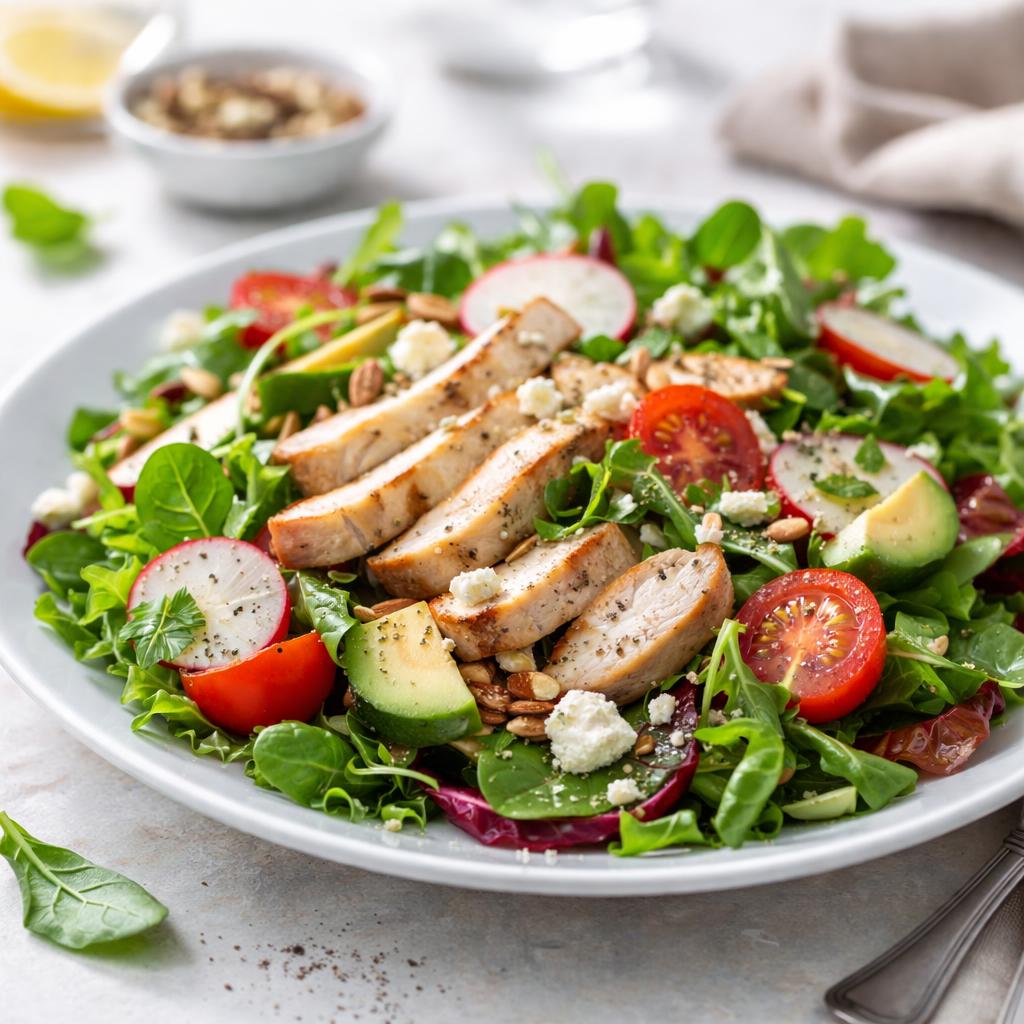
Salad
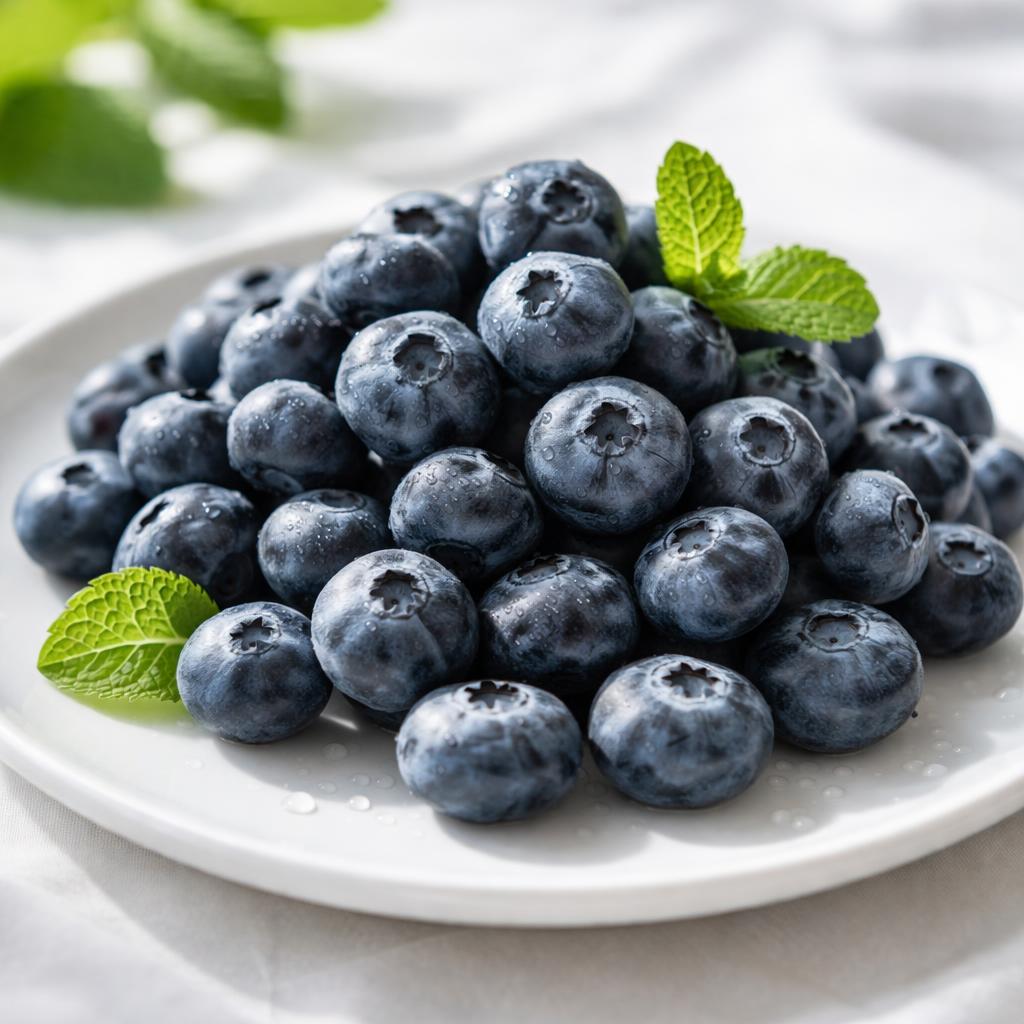
Blueberry
🎯 Quick Verdict
Salad is incredibly low in calories and provides slightly higher protein and fiber. Blueberries, while higher in calories, are packed with antioxidants and offer a more concentrated source of vitamins and sugars. Salad is best for filling meals, weight loss, and digestive health, whereas blueberries are ideal for quick energy and antioxidant benefits.

Smart Nutrition Tracking with SnapCalorie

📊 Nutritional Comparison
Macronutrients
| Nutrient | Food 1 | Food 2 | Winner |
|---|---|---|---|
| Calories | 20 | 80 | ✓ |
| Protein | 2g | 1g | ✓ |
| Carbs | 4g | 20g | ✓ |
| Fat | 0.5g | 0.3g | ✓ |
| Fiber | 1.5g | 1g | ✓ |
Vitamins & Minerals
| Nutrient | Food 1 | Food 2 | Winner |
|---|---|---|---|
| Vitamin A | 149mcg | 3mcg | ✓ |
| Vitamin C | 9mg | 14mg | ✓ |
| Vitamin K | 60mcg | 19mcg | ✓ |
| Iron | 0.7mg | 0.3mg | ✓ |
| Calcium | 31mg | 9mg | ✓ |
🏆 Category Winners
Protein
Salad contains double the protein of blueberries.
Fiber
Salad contains 50% more fiber compared to blueberries.
Calories
Salad is four times lower in calories.
Vitamins
Blueberries excel in vitamin C content, offering 50% more compared to salad.
🥗 Diet Compatibility
Keto
Food 1: Compatible
Food 2: Limited
Salad is very low in carbs (4g per serving), while blueberries contain 20g of carbs, which may be restrictive for keto.
Vegan
Food 1: Compatible
Food 2: Compatible
Both foods are plant-based and suitable for vegan diets.
Gluten Free
Food 1: Compatible
Food 2: Compatible
Neither food contains gluten.
Paleo
Food 1: Compatible
Food 2: Compatible
Both foods align with paleo principles.
Low Carb
Food 1: Compatible
Food 2: Not Compatible
Salad is low-carb due to its minimal carbohydrate content, whereas blueberries might exceed low-carb requirements.
💪 Health Benefits Comparison
Food 1 Benefits
- Low-calorie, ideal for weight management
- High in vitamin K, supports bone health
- Rich in dietary fiber for digestive health
- Contains antioxidants for reducing inflammation
Food 2 Benefits
- Rich source of antioxidants, promotes cellular health
- High in vitamin C for immunity
- Provides natural sugars for quick energy
- Contains phytochemicals that support heart health
✅ The Bottom Line
Both salad and blueberries have unique health benefits. Choose salad if you're focused on weight management, digestive health, and a filling, low-calorie option. Opt for blueberries if you're looking for a quick energy boost and antioxidant-rich snack.
Choose Food 1 for: Weight loss, digestive health, low-calorie meals
Choose Food 2 for: Quick energy, antioxidant support, immune health


