Salad VS Black-Eyed Peas
A detailed nutritional comparison
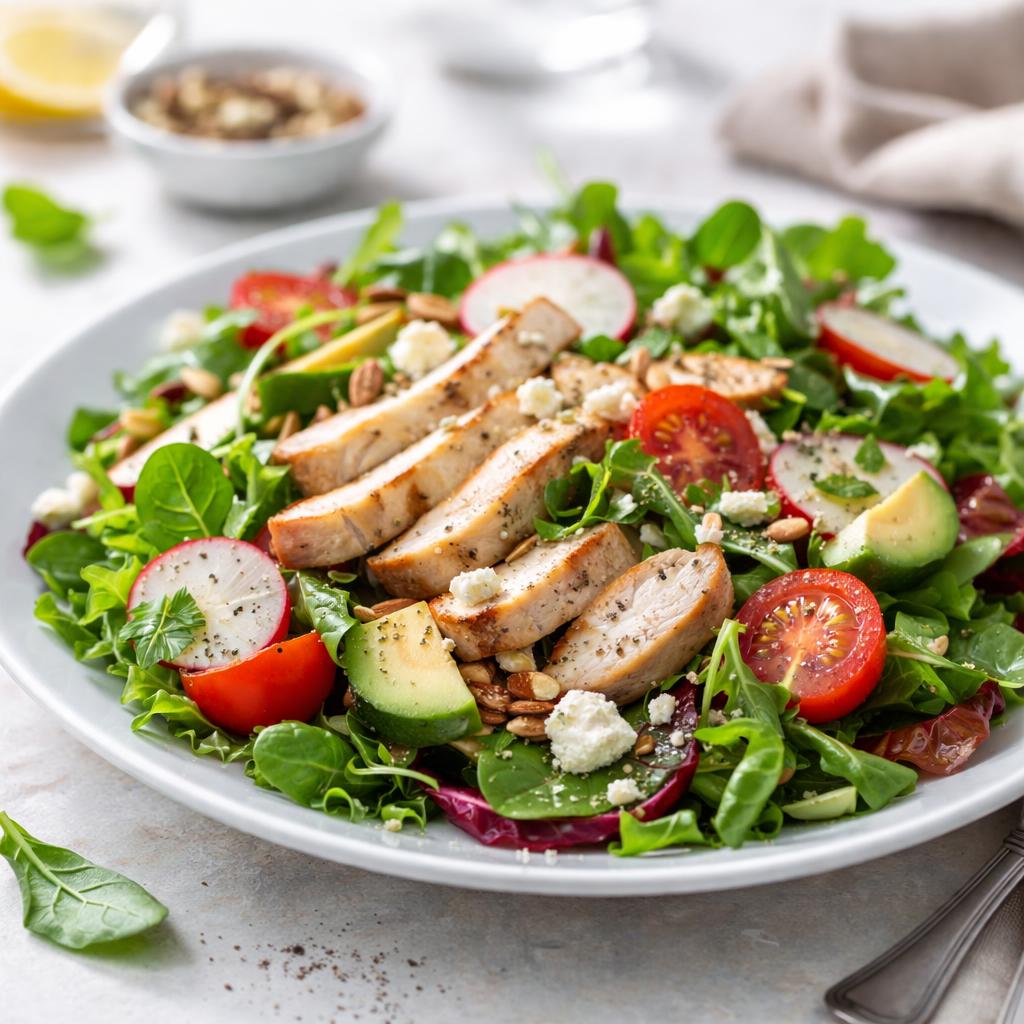
Salad
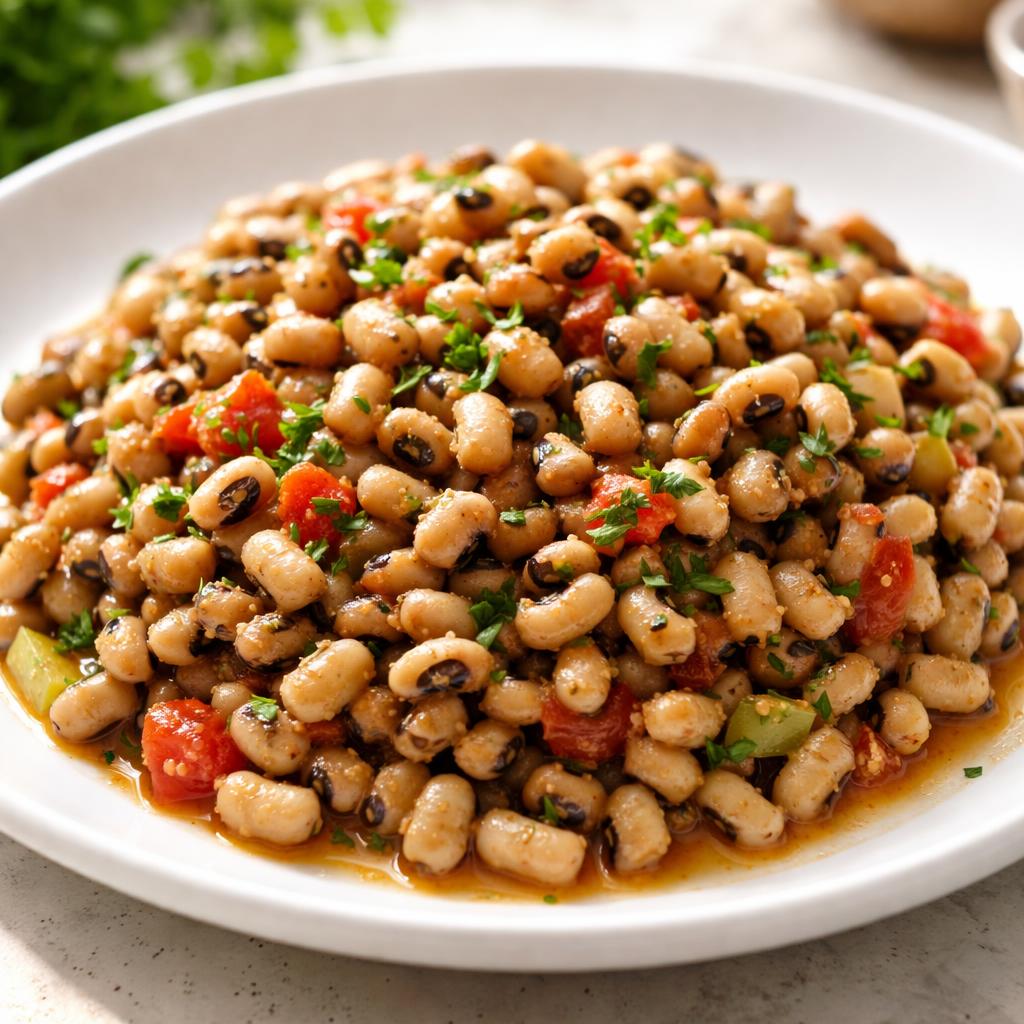
Black-Eyed Peas
🎯 Quick Verdict
Salad is lower in calories and ideal for weight-conscious individuals, while black-eyed peas are nutrient-dense, offering significantly more protein and fiber. Salad works as a light meal or side dish, whereas black-eyed peas serve as a hearty, protein-rich option for more substantial meals.

Smart Nutrition Tracking with SnapCalorie

📊 Nutritional Comparison
Macronutrients
| Nutrient | Food 1 | Food 2 | Winner |
|---|---|---|---|
| Calories | 50 | 130 | ✓ |
| Protein | 2g | 8g | ✓ |
| Carbs | 10g | 23g | ✓ |
| Fat | 0.5g | 0.3g | ✓ |
| Fiber | 1.2g | 7g | ✓ |
Vitamins & Minerals
| Nutrient | Food 1 | Food 2 | Winner |
|---|---|---|---|
| Vitamin A | 120% DV | 0% DV | ✓ |
| Vitamin C | 40% DV | 1% DV | ✓ |
| Iron | 0.3mg | 2.5mg | ✓ |
| Calcium | 35mg | 40mg | ✓ |
| Potassium | 200mg | 278mg | ✓ |
🏆 Category Winners
Protein
Black-eyed peas have 400% more protein per serving compared to salad.
Fiber
Black-eyed peas contain 6x more fiber, boosting digestion support.
Calories
Salad is significantly lower in calories, suitable for weight loss.
Vitamins
Salad is rich in Vitamin A and Vitamin C, supporting eye health and immunity respectively.
🥗 Diet Compatibility
Keto
Food 1: Compatible
Food 2: Moderately Compatible
Food1 is very low-carb; Food2 is higher in carbs but could fit into targeted/keto plans in small servings.
Vegan
Food 1: Compatible
Food 2: Compatible
Both are 100% plant-based.
Gluten Free
Food 1: Compatible
Food 2: Compatible
Neither contains gluten.
Paleo
Food 1: Compatible
Food 2: Usually not compatible
Salad aligns well with paleo diets, but black-eyed peas are legumes, which are typically excluded from strict paleo protocols.
Low Carb
Food 1: Compatible
Food 2: Not Compatible
Salad has minimal carbs, whereas black-eyed peas have higher carb content per serving.
💪 Health Benefits Comparison
Food 1 Benefits
- Good for weight management due to low calorie count
- Rich in Vitamin A for eye health
- Provides Vitamin C to support the immune system
Food 2 Benefits
- High in protein, supporting muscle repair and maintenance
- Excellent source of fiber for gut health
- Contains iron, beneficial for energy levels and red blood cell production
✅ The Bottom Line
Salad is ideal for light meals, weight control, and boosting vitamin intake. Black-eyed peas are better for hearty meals requiring more protein, fiber, and minerals. Both can be incorporated into a nutritious lifestyle depending on individual goals.
Choose Food 1 for: Weight loss, vitamin-rich side dish, hydration
Choose Food 2 for: Plant-based protein, fiber-dense meals, minerals like iron


