Salad VS Biscuits
A detailed nutritional comparison
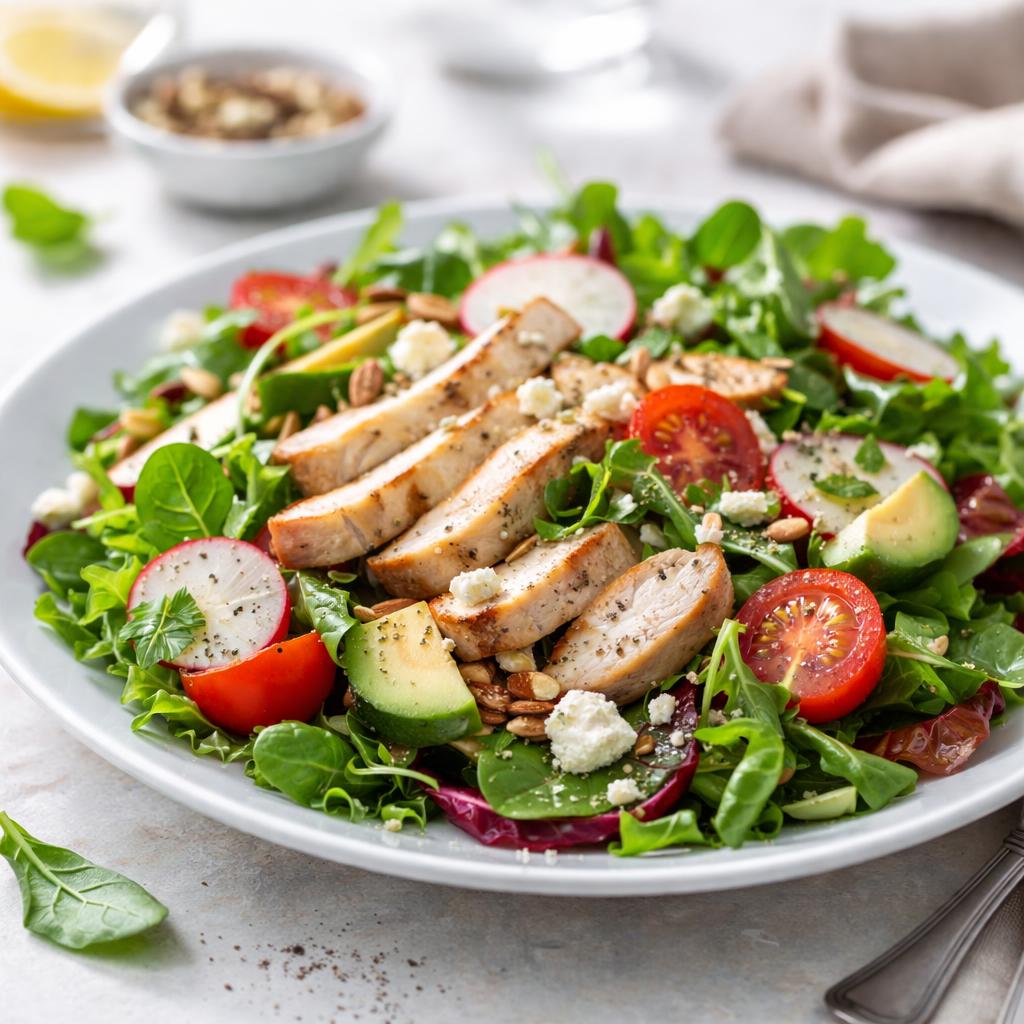
Salad
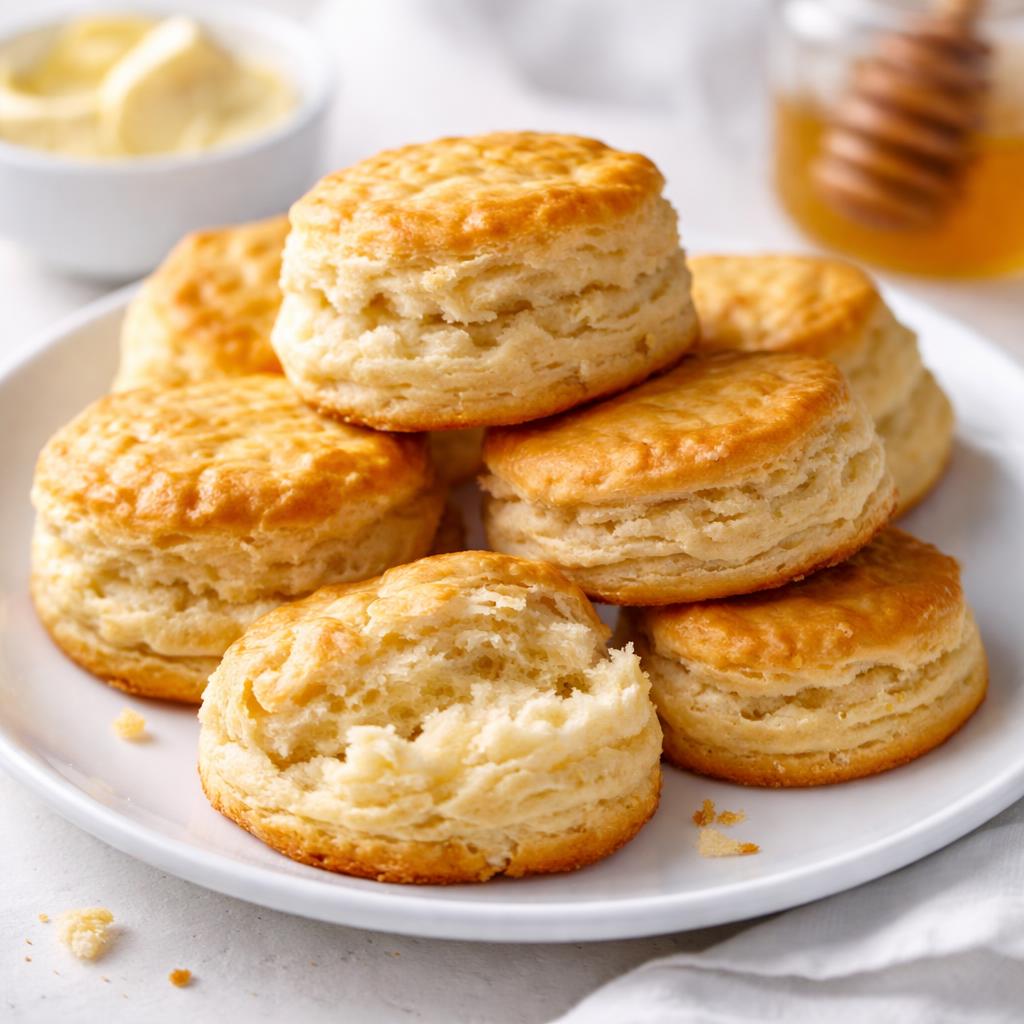
Biscuits
🎯 Quick Verdict
Salad is nutrient-dense, lower in calories, higher in protein, and a great source of fiber compared to biscuits. Biscuits, while energy-dense, are typically high in refined carbs, fats, and calories, making them less ideal for weight management or healthy diets. Salad is better suited for nutrient-focused eating, while biscuits are more of an occasional treat.

Smart Nutrition Tracking with SnapCalorie

📊 Nutritional Comparison
Macronutrients
| Nutrient | Food 1 | Food 2 | Winner |
|---|---|---|---|
| Calories | 100 | 450 | ✓ |
| Protein | 6g | 4g | ✓ |
| Carbs | 10g | 60g | ✓ |
| Fat | 2g | 20g | ✓ |
| Fiber | 4g | 1g | ✓ |
Vitamins & Minerals
| Nutrient | Food 1 | Food 2 | Winner |
|---|---|---|---|
| Vitamin A | 300mcg | 10mcg | ✓ |
| Vitamin C | 60mg | 0mg | ✓ |
| Iron | 1.5mg | 2mg | ✓ |
| Calcium | 50mg | 30mg | ✓ |
🏆 Category Winners
Protein
Salad provides 50% more protein per serving than biscuits.
Fiber
Salad contains 4g of fiber versus just 1g in biscuits.
Calories
Salad is lower calorie, with 100 calories per serving versus 450 in biscuits.
Vitamins
Salad is significantly richer in key vitamins like Vitamin A and C.
🥗 Diet Compatibility
Keto
Food 1: Not Compatible
Food 2: Not Compatible
Both contain too many carbs for a strict keto diet.
Vegan
Food 1: Compatible
Food 2: Not Compatible
Salad is plant-based; biscuits may contain dairy or eggs.
Gluten Free
Food 1: Compatible
Food 2: Not Compatible
Salad is naturally gluten-free, while biscuits typically contain gluten.
Paleo
Food 1: Compatible
Food 2: Not Compatible
Salad meets paleo standards; biscuits are processed and contain grains.
Low Carb
Food 1: Compatible
Food 2: Not Compatible
Salad is lower in carbs (10g per serving).
💪 Health Benefits Comparison
Food 1 Benefits
- Rich in vitamins and antioxidants for immune support.
- High in fiber for digestive health.
- Low-calorie and nutrient-dense for weight management.
- Supports heart health with lower fat content.
Food 2 Benefits
- Energy-dense for quick fuel.
- May contain some iron for blood health.
- Comfort food for occasional indulgence.
- Provides dietary fats for satiety.
✅ The Bottom Line
Choose salad for its nutrient density, lower calories, and better overall health benefits, especially for weight management or healthy eating goals. Biscuits are better suited for occasional treats or when you need quick energy, but their high calorie and fat content make them less ideal for daily consumption.
Choose Food 1 for: Weight loss, healthy diets, fiber and vitamin boost.
Choose Food 2 for: Quick energy, indulgence, comfort meals.


