Salad VS Beets
A detailed nutritional comparison
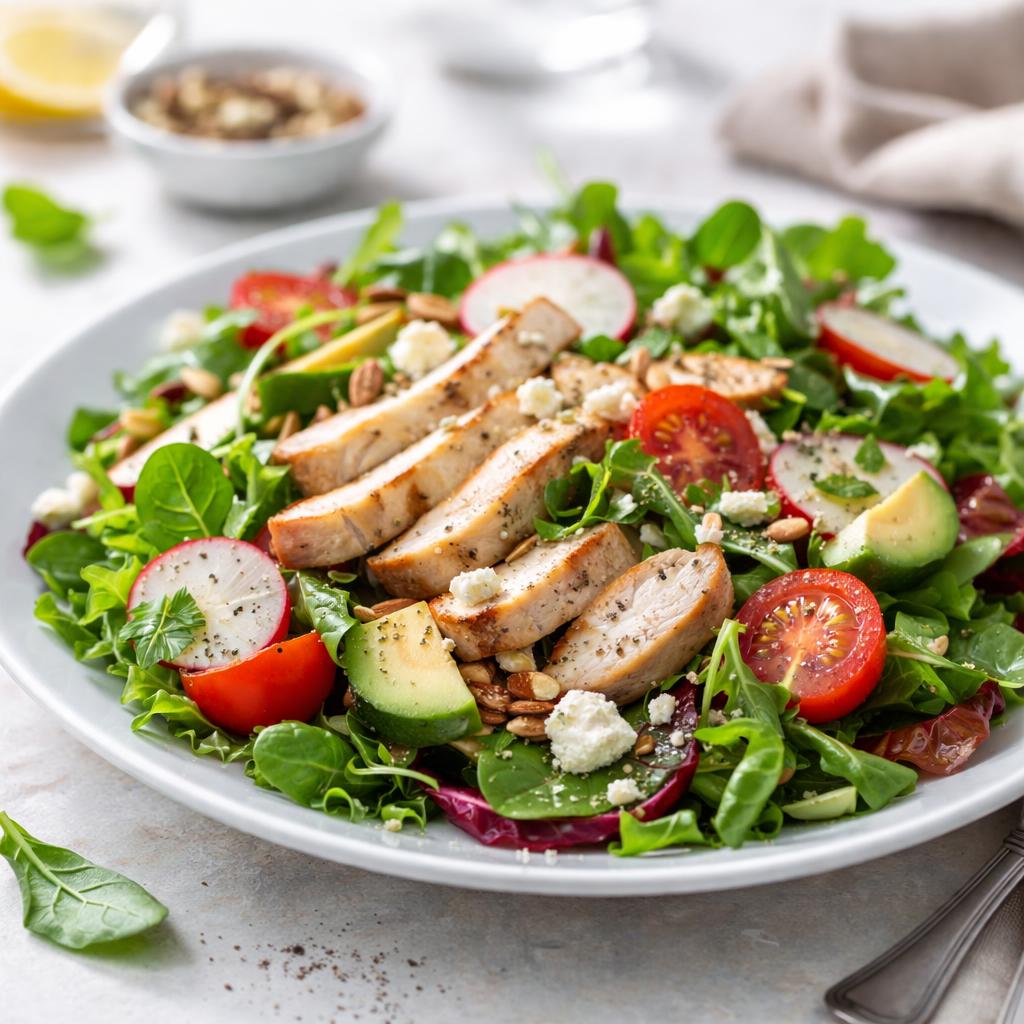
Salad
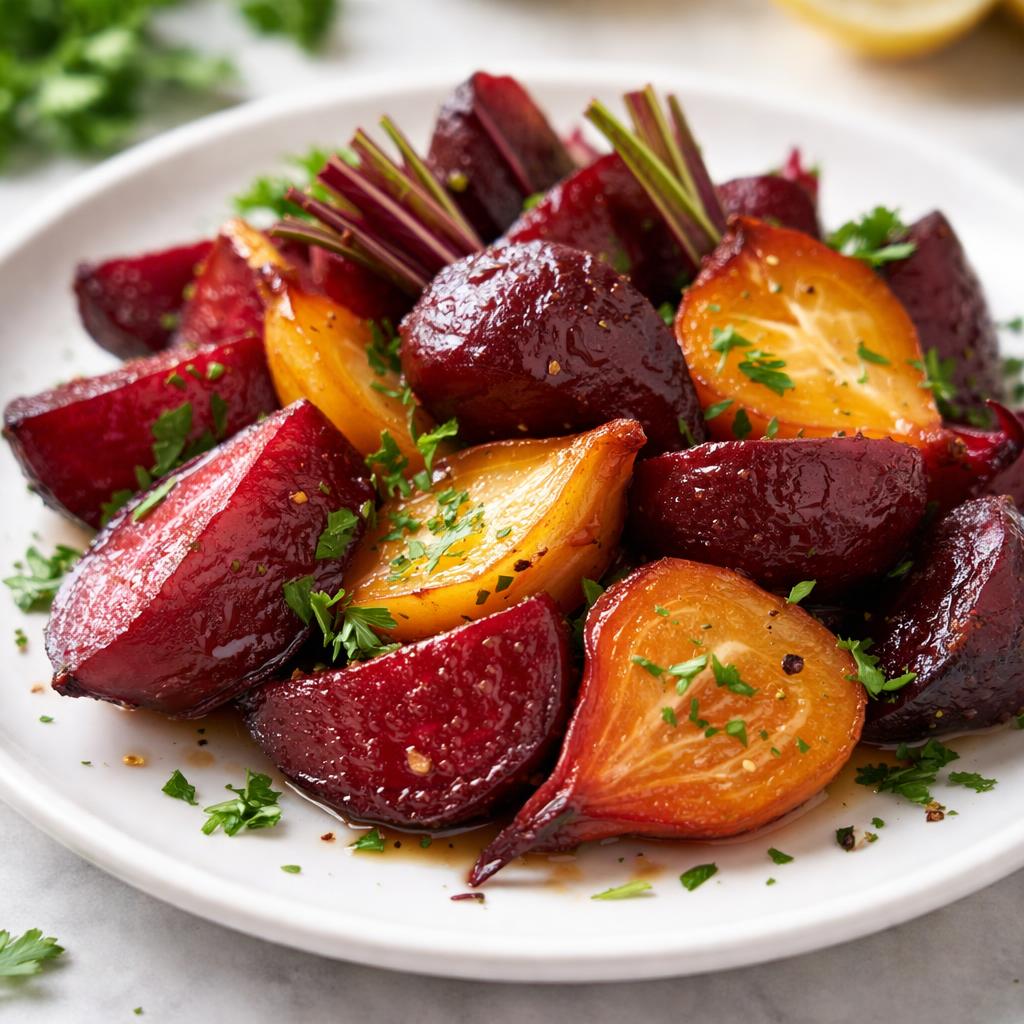
Beets
🎯 Quick Verdict
Salad and beets differ significantly in their nutritional profiles. Salad is lower in calories and generally more diet-compatible for weight loss and low-carb diets, while beets provide more fiber and antioxidants, making them a heart-healthy choice. Choose salad for lighter meals and post-workout options, and beets for added nutrients and energy support.

Smart Nutrition Tracking with SnapCalorie

📊 Nutritional Comparison
Macronutrients
| Nutrient | Food 1 | Food 2 | Winner |
|---|---|---|---|
| Calories | 25 | 58 | ✓ |
| Protein | 1g | 1g | − |
| Carbs | 3.9g | 13g | ✓ |
| Fat | 0.2g | 0.2g | − |
| Fiber | 1.3g | 3.8g | ✓ |
Vitamins & Minerals
| Nutrient | Food 1 | Food 2 | Winner |
|---|---|---|---|
| Vitamin D | 0mcg | 0mcg | − |
| Calcium | 18mg | 16mg | ✓ |
| Iron | 0.5mg | 0.8mg | ✓ |
| Vitamin C | 9mg | 4.9mg | ✓ |
| Potassium | 194mg | 442mg | ✓ |
🏆 Category Winners
Protein
Both salad and beets contain roughly equal protein (1g per serving).
Fiber
Beets contain nearly 3x more fiber (3.8g vs 1.3g).
Calories
Salad has less than half the calories of beets per serving (25 vs 58).
Vitamins
Salad is richer in Vitamin C and slightly higher in calcium, benefiting immune health.
🥗 Diet Compatibility
Keto
Food 1: Compatible
Food 2: Partially Compatible
Salad is low-carb, while beets are moderately high in carbs.
Vegan
Food 1: Compatible
Food 2: Compatible
Both salad and beets are plant-based and vegan-friendly.
Gluten Free
Food 1: Compatible
Food 2: Compatible
Neither salad nor beets contain gluten.
Paleo
Food 1: Compatible
Food 2: Compatible
Both are paleo-friendly, containing natural, whole ingredients.
Low Carb
Food 1: Compatible
Food 2: Not Compatible
Salad's carbs (3.9g) are low compared to beets (13g).
💪 Health Benefits Comparison
Food 1 Benefits
- Low in calories, supporting weight loss
- Contains Vitamin C to boost immunity
- Rich in hydration due to water content, aiding digestion
Food 2 Benefits
- High in fiber to promote gut health
- Rich in antioxidants supporting heart health
- Contains nitric oxide compounds to improve blood flow
✅ The Bottom Line
Choose salad when managing calories or pursuing a keto or low-carb diet. Beets offer substantial fiber and potassium, making them ideal for heart health and energy-boosting meals. Both foods can complement each other in a well-balanced diet.
Choose Food 1 for: Weight loss, light meals, supportive for low-carb diets
Choose Food 2 for: Gut health, heart health, and enhanced physical performance


