Salad VS Beef Stir Fry
A detailed nutritional comparison
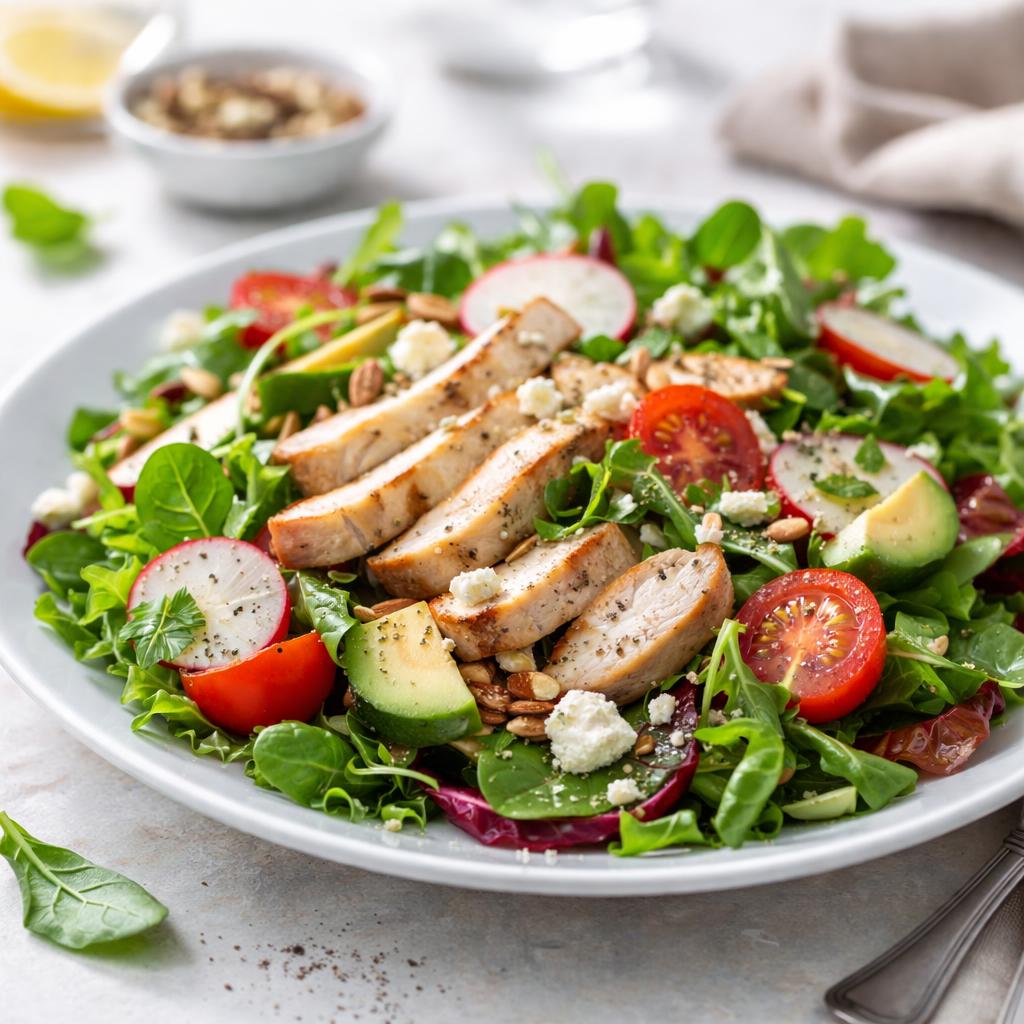
Salad
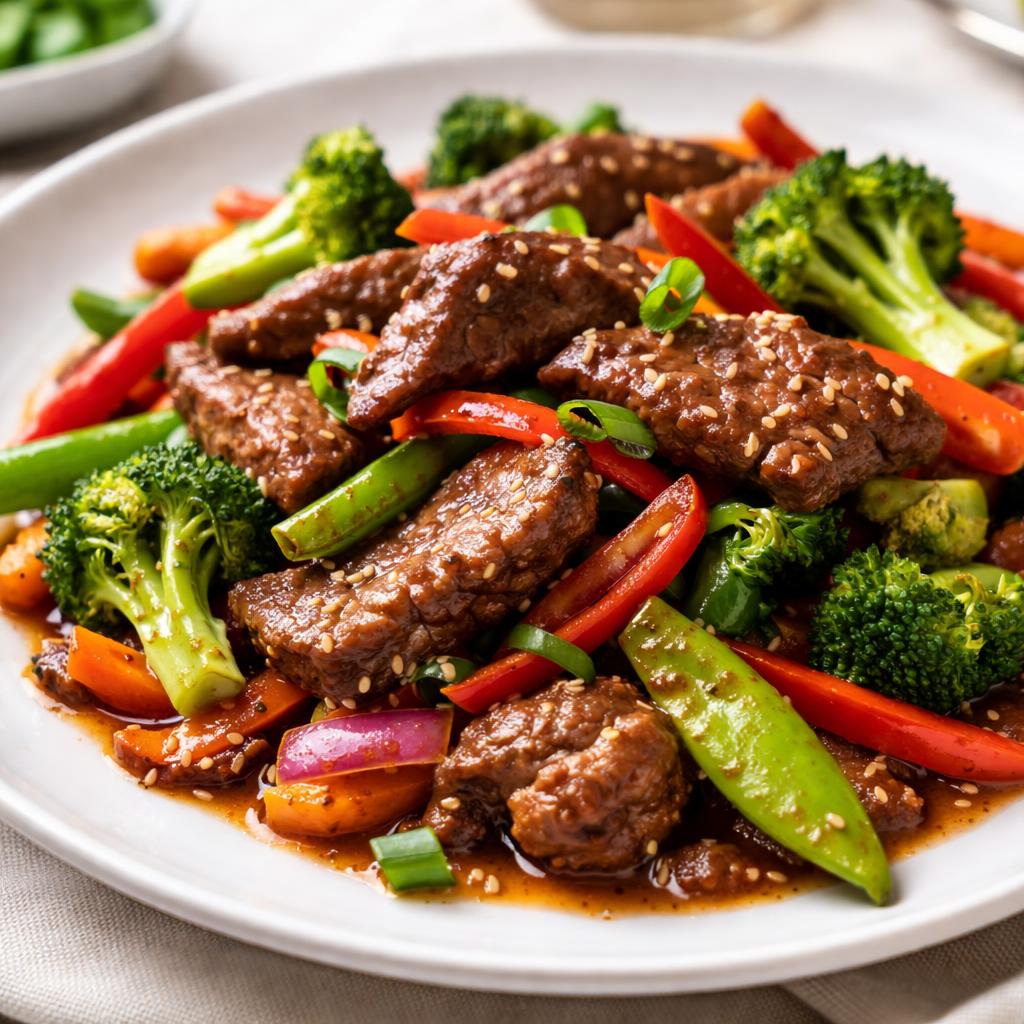
Beef Stir Fry
🎯 Quick Verdict
Salad is a low-calorie option rich in fiber, vitamins, and minerals, ideal for weight management and digestion. Beef stir fry, on the other hand, is calorie-dense, packed with protein, and offers a mix of macronutrients suitable for muscle-building diets or energy needs. Both have unique nutritional strengths depending on dietary goals.

Smart Nutrition Tracking with SnapCalorie

📊 Nutritional Comparison
Macronutrients
| Nutrient | Food 1 | Food 2 | Winner |
|---|---|---|---|
| Calories | 100 | 350 | ✓ |
| Protein | 3g | 25g | ✓ |
| Carbs | 10g | 15g | ✓ |
| Fat | 2g | 20g | ✓ |
| Fiber | 5g | 2g | ✓ |
Vitamins & Minerals
| Nutrient | Food 1 | Food 2 | Winner |
|---|---|---|---|
| Vitamin C | 60mg | 0mg | ✓ |
| Iron | 1mg | 3mg | ✓ |
| Vitamin A | 500mcg | 50mcg | ✓ |
| Calcium | 50mg | 20mg | ✓ |
🏆 Category Winners
Protein
Beef stir fry provides over 8x more protein than salad per serving.
Fiber
Salad contains 5g of fiber compared to 2g in beef stir fry.
Calories
Salad is low-calorie at 100 calories compared to 350 in beef stir fry.
Vitamins
Salad wins with higher levels of Vitamin C, Vitamin A, and Calcium.
🥗 Diet Compatibility
Keto
Food 1: Compatible with modifications
Food 2: Compatible
Beef stir fry is low-carb, while salad may need adjustment depending on toppings or dressings.
Vegan
Food 1: Compatible
Food 2: Not Compatible
Salad is plant-based, while beef stir fry contains animal products.
Gluten Free
Food 1: Compatible
Food 2: Compatible if made with gluten-free soy sauce
No inherent gluten in either dish but check added sauces in beef stir fry.
Paleo
Food 1: Compatible
Food 2: Compatible
Both align with paleo guidelines regarding whole foods.
Low-Carb
Food 1: Sometimes compatible
Food 2: Compatible
Beef stir fry is inherently lower in carbs than salad, which may come with higher-carb vegetables.
💪 Health Benefits Comparison
Food 1 Benefits
- Low calorie, aiding weight management
- High in fiber for improved digestion
- Rich in vitamins (like Vitamin C and A) for immune support and eye health
Food 2 Benefits
- High in protein for muscle growth and repair
- Contains healthy fats for energy and satiety
- Good source of iron for increased oxygen transport in the body
✅ The Bottom Line
Salad is best for those focusing on light meals, fiber, and vitamins, such as vegetarians or individuals on weight-loss diets. Beef stir fry is ideal for anyone needing higher protein and calorie intake, such as athletes or individuals building muscle.
Choose Food 1 for: Weight loss, fiber intake, vegan-friendly diets
Choose Food 2 for: Muscle-building, energy needs, protein-focused diets


