Salad VS Basil
A detailed nutritional comparison
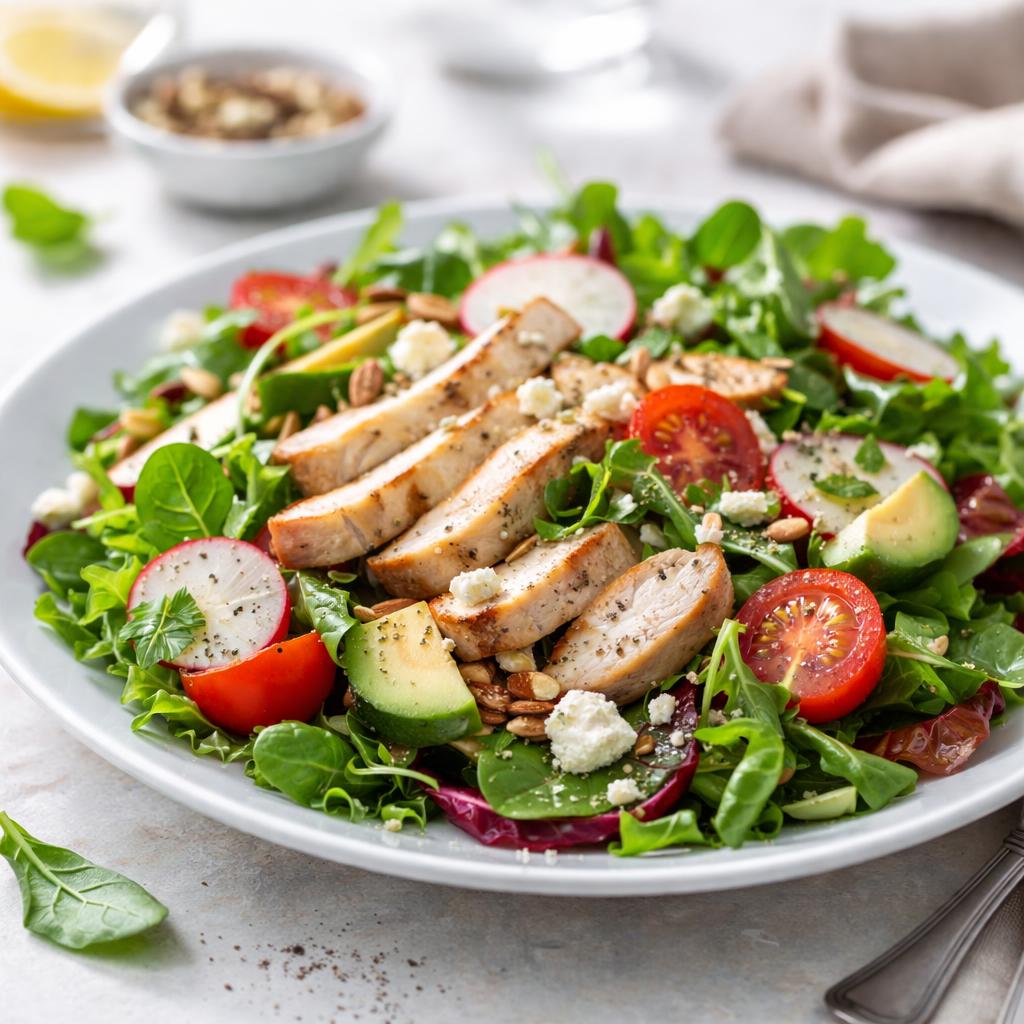
Salad
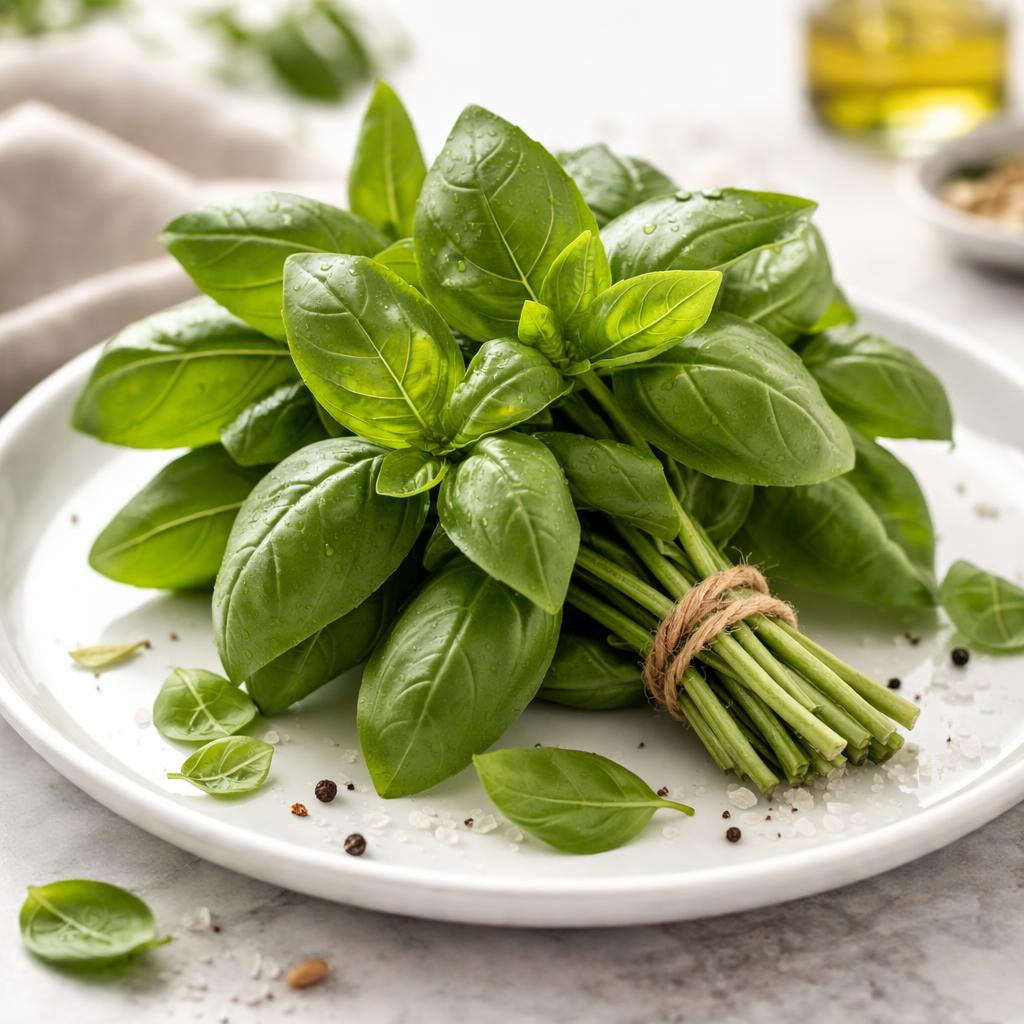
Basil
🎯 Quick Verdict
Salad is a more nutrient-dense food, providing higher protein and fiber, essential for muscle growth and digestion. Though basil is lower in calories and rich in antioxidants, it is primarily used as a seasoning rather than a standalone dish. Salad is a practical choice for main meals, while basil enhances flavor and can complement nutrient-rich dishes.

Smart Nutrition Tracking with SnapCalorie

📊 Nutritional Comparison
Macronutrients
| Nutrient | Food 1 | Food 2 | Winner |
|---|---|---|---|
| Calories | 35 (per 100g) | 22 (per 100g) | ✓ |
| Protein | 2.5g | 1.2g | ✓ |
| Carbs | 7g | 4g | ✓ |
| Fat | 0.5g | 0.6g | − |
| Fiber | 1.6g | 0.9g | ✓ |
Vitamins & Minerals
| Nutrient | Food 1 | Food 2 | Winner |
|---|---|---|---|
| Vitamin A | 180mcg | 264mcg | ✓ |
| Vitamin C | 15mg | 18mg | ✓ |
| Calcium | 35mg | 177mg | ✓ |
| Iron | 0.8mg | 3.2mg | ✓ |
🏆 Category Winners
Protein
Salad offers more than double the protein content of basil.
Fiber
Salad has nearly twice the fiber per serving than basil.
Calories
Basil has fewer calories, making it good for low-calorie diets.
Vitamins
Basil is richer in Vitamin A, Vitamin C, calcium, and iron.
🥗 Diet Compatibility
Keto
Food 1: Compatible
Food 2: Compatible
Both are low in carbs, fitting the keto diet.
Vegan
Food 1: Compatible
Food 2: Compatible
Both are plant-based foods.
Gluten Free
Food 1: Compatible
Food 2: Compatible
Neither contains gluten.
Paleo
Food 1: Compatible
Food 2: Compatible
Both align with paleo dietary principles.
Low-Carb
Food 1: Compatible
Food 2: Compatible
Both have reasonably low carb content per serving.
💪 Health Benefits Comparison
Food 1 Benefits
- High in fiber for improved digestion and gut health
- Rich in antioxidants from leafy greens to combat free radicals
- Helps hydrate due to high water content
- Supports weight management as a low-calorie, filling food
Food 2 Benefits
- Contains potent antioxidants for promoting healthy skin and slowing aging
- Rich in Vitamin A for vision and immune system support
- Provides calcium for improving bone strength and muscle function
- Boosts iron levels to prevent anemia and enhance energy
✅ The Bottom Line
Choose salad as a nutrient-rich, standalone food, ideal for meals focused on protein, fiber, and hydration. Basil, as a low-calorie herb, works best for adding flavor and enhancing the nutritional profile of dishes with its vitamins and antioxidants.
Choose Food 1 for: Weight management, digestion, low-calorie meals, main meal preparation
Choose Food 2 for: Flavor enhancement, antioxidant boost, nutrient supplementation


